In democracy’s journey to future, Gandhi is the wise guide and co-traveller
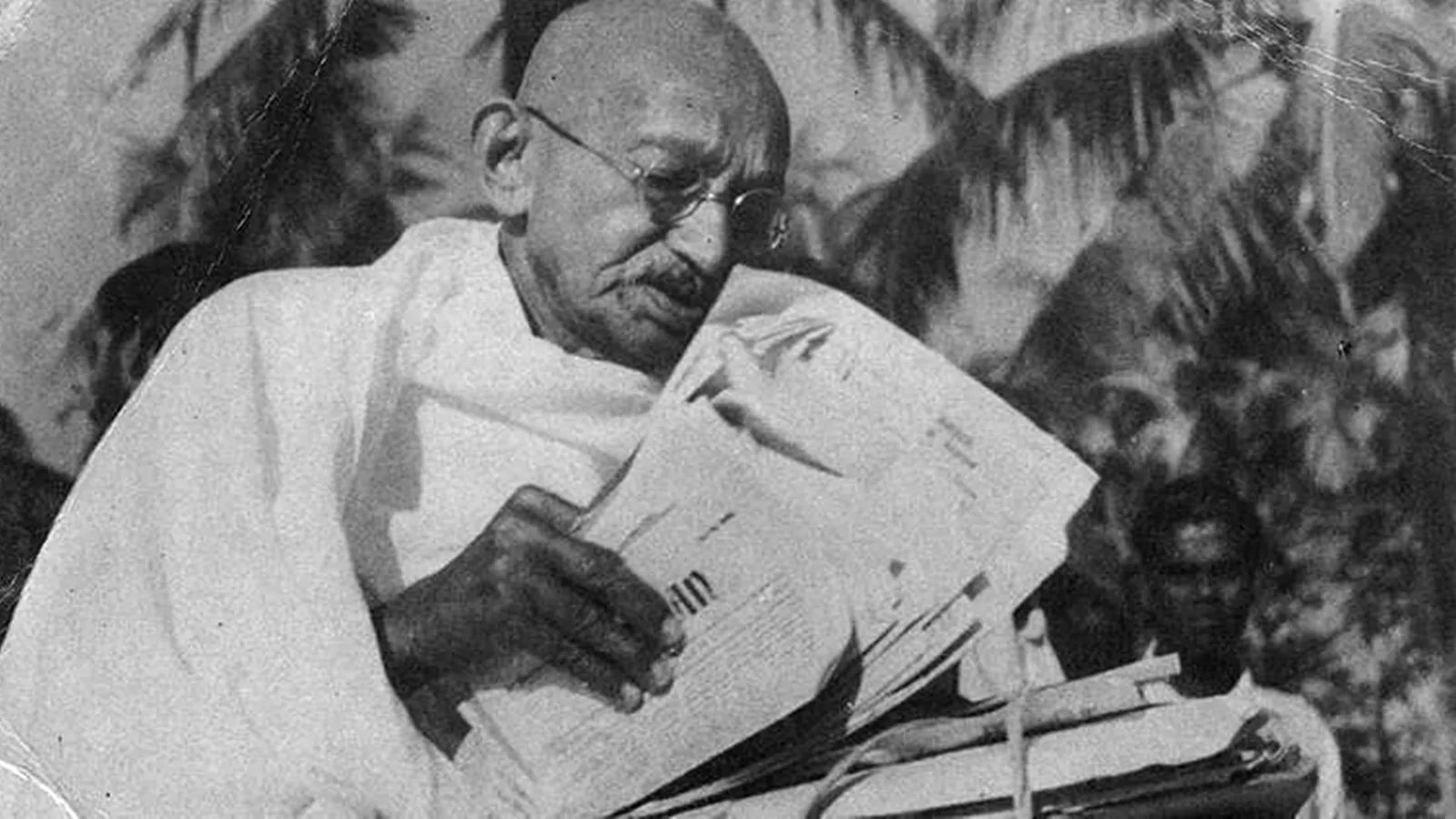
In the evolving trajectory of democracy in India, Mahatma Gandhi emerges as a guiding light and co-traveller, as argued by Yogendra Yadav in his recent article. Yadav emphasizes the need to harness Gandhi and other thinkers from modern India as "resources" to envision a more equitable future for institutional architecture. The paradox presented is that Gandhi is primarily remembered for his protest politics, but his relevance extends far beyond that.
Despite criticism of the modern state, Gandhi advocated for truth, non-violence, and a decentralised, inclusive, and democratic public institution.
Gandhi's ideas are particularly pertinent to the three challenges Yadav highlights: social hierarchies, economic disparity, politically controlled media, and political centralisation. Caste-based prejudices, communal stereotypes, and the dominance of the rich and powerful have led to violence and economic insecurity among the majority of Indians.
Gandhi's response to these issues involves a culturally constructive framework that addresses the marginalisation of Dalits, minorities, and the poor. He believed that an informed and reasonable public opinion is crucial, especially in a time when the line between news and propaganda is blurring. Gandhi offers three solutions: a politics of action, politics of discourse, and politics of belief and commitment.
Turning to the issue of political centralisation and authoritarian political parties, Gandhi identifies it as a systemic outcome influenced by professional politicians and voters. He proposes an informed and morally conscious electorate as the key to a healthier democratic system. While this may seem impractical today, it serves as a valuable framework for envisioning a more equitable future in India's democratic journey.
Written by urgent.news from The Indian Express's reporting — not their text. Machine-written — may contain errors; check the original before relying on it.