I was skeptical about the iPhone Duo nano-texture display — but here's why I've changed my mind
Despite viral videos showing severe washout with the iPhone Duo’s nano-texture display, Apple's anti-glare finish is a proven technology that has real results.
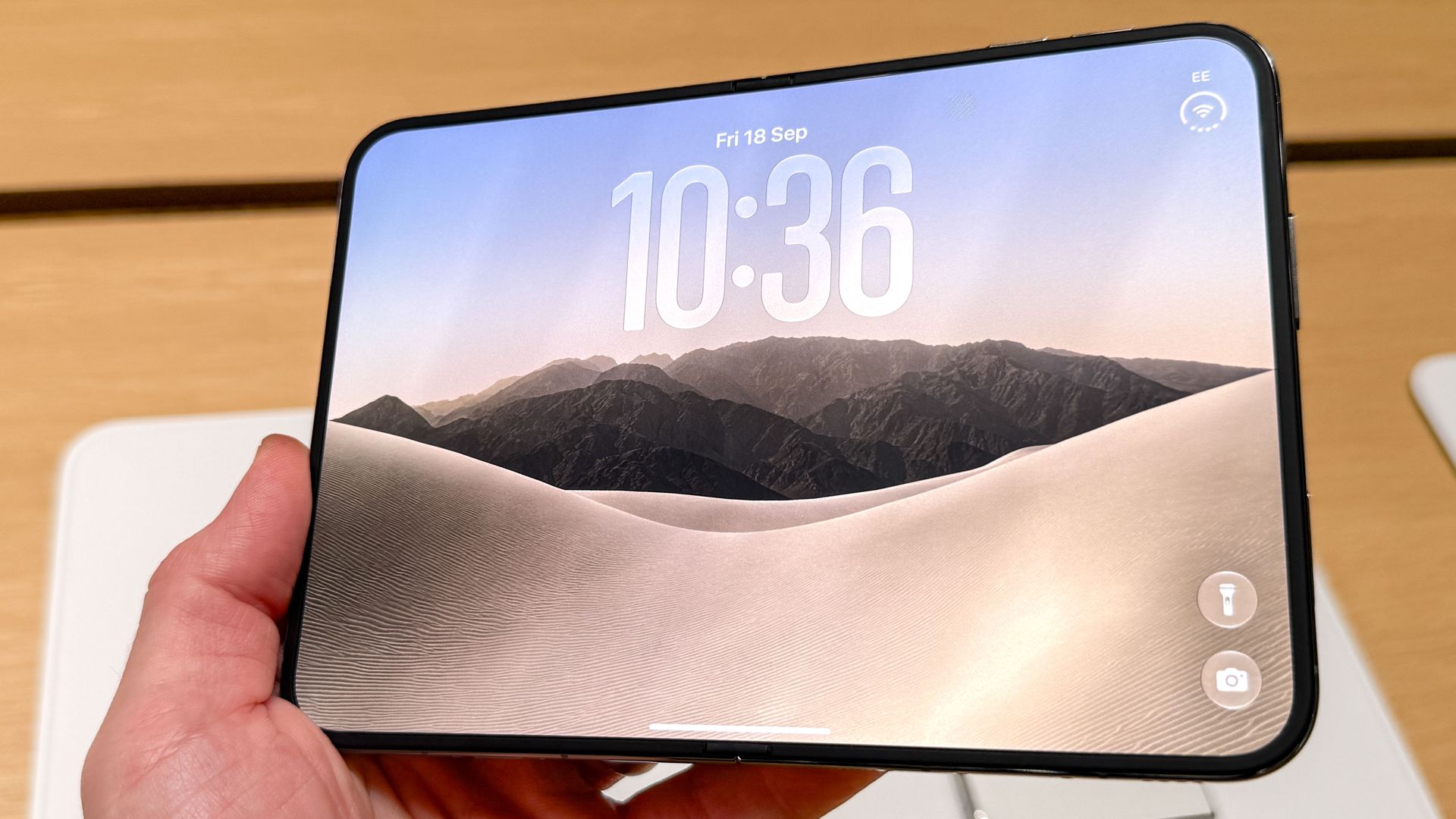
Since Apple unveiled the iPhone Duo last month, numerous people who have seen and held it have been raving about its hardware. The seamless inner display and thin profile are major highlights, but one feature that has garnered a lot of attention is the nano-texture coating on its 7.6-inch main display. While some have expressed concerns about its visibility being compromised from slightly off-axis angles, I initially held similar apprehensions. However, upon further reflection, I have come to appreciate the intentional design choice.
The debate between matte and glossy displays has persisted for a long time, but in the current market, almost all premium phones feature glossy panels. Nonetheless, the appeal of a matte display lies in its ability to manage ambient light through reflection versus diffusion. Glossy displays, like Samsung's Super AMOLED panels, provide excellent contrast, vibrant colors, wide viewing angles, and deep blacks, making it difficult to discern if the panel is on or not.
However, they suffer from high reflectivity, causing harsh glare under direct sunlight or bright indoor lighting. On the other hand, matte screens utilize a textured or chemically treated surface to scatter incoming light rays, thereby minimizing glare and reducing eye strain in bright environments. The trade-off includes a slight loss of contrast, raised black levels in bright rooms, and reduced clarity or color pop when viewed off-axis.
While a matte finish on a flagship smartphone may seem novel, it is not Apple's first attempt at experimenting with such technology. In fact, Apple has consistently improved its nano-texture displays across its hardware lineup, effectively minimizing reflections without compromising display performance. My colleagues tested this feature on the M4 MacBook Pro, and it proved to be a game-changer, especially under direct sunlight.
Similar benefits have been observed in other Apple devices, such as the Studio Display and high-end iPad Pro configurations. In every implementation, Apple has demonstrated its ability to avoid the muddy, low-contrast haze typically associated with cheap matte films.
Considering Apple's commitment to refining this technology over the years, choosing a nano-texture display for the iPhone Duo is not an experimental gamble. Instead, it demonstrates Apple's dedication to ensuring optimal visibility for users, particularly in harsh lighting conditions. This decision makes sense given that iPhones have relied on glossy glass for the past two decades, providing users with vibrant saturation, deep blacks, and eye-popping contrast.
As someone who appreciates gadgets with matte screens, such as TCL's NXTPAPER 70 Pro and NXTPAPER 14 tablet, I find this choice commendable.
Written by urgent.news from Tom's Guide's reporting — not their text. Machine-written — may contain errors; check the original before relying on it.