How not to restore a forest — the inept dismantling of Delhi’s Central Ridge
Delhi's Central Ridge, a semi-wild area once defining the western edge of colonial New Delhi, now faces a bleak fate. Shrunk to just 8.5 square kilometres, this location hosts a polo ground, riding tracks, and a giant Earth Station satellite dish, attracting superstitious visitors who feed cows and monkeys. Once home to porcupines and jackals, the Ridge has seen a decline in wildlife, with only civets, hares, mongooses, rodents, and snakes currently present.
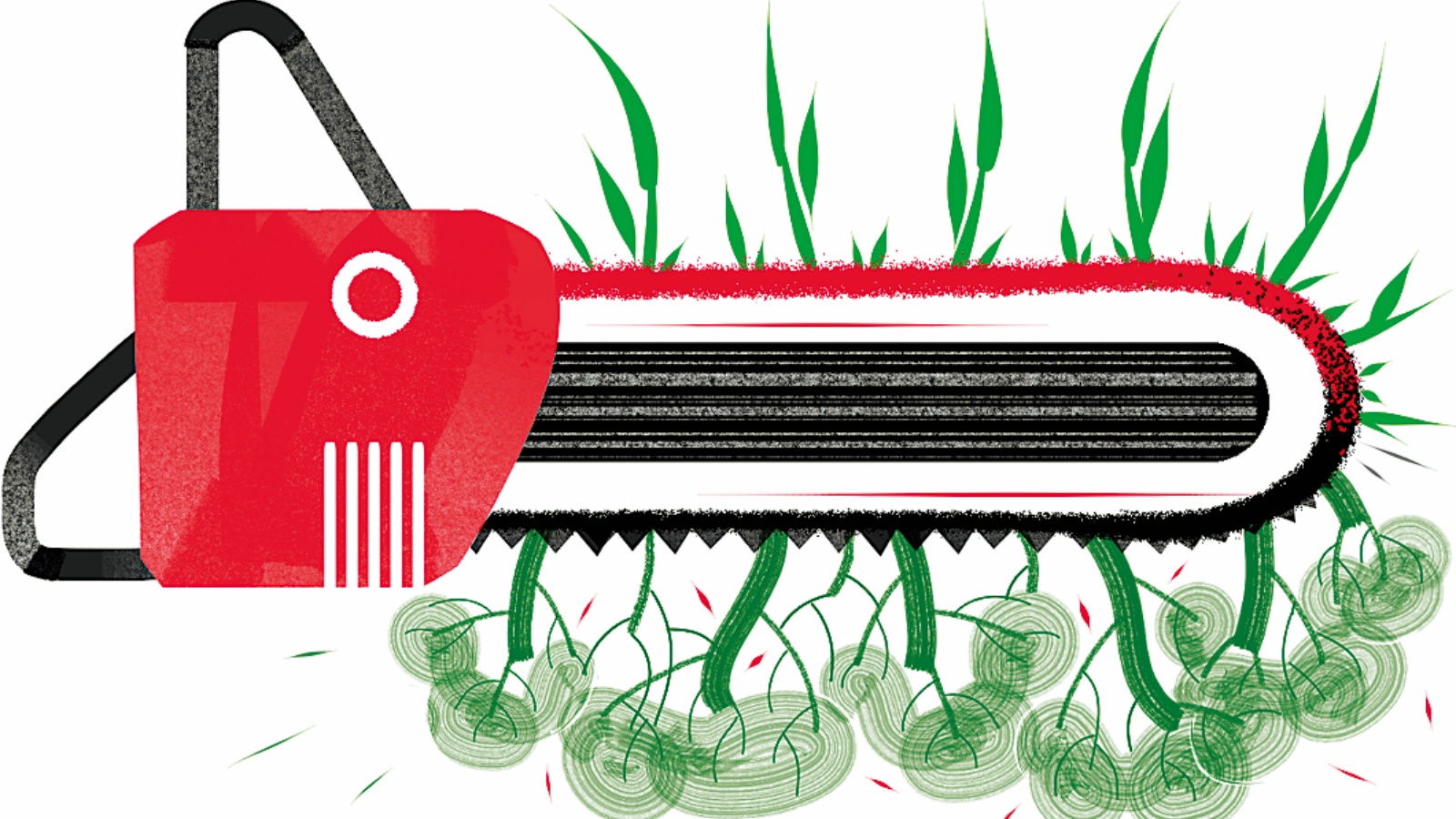
The dominant tree on the Ridge is the vilayati keekar, a non-native species that has become a problem since it was planted in the 1920s. The Forest Department claims it is "restoring" the Ridge to its "pristine purity" by clearing 200 hectares in the last three months, plowing up soil and removing old woody shrubs and lianas. This misguided afforestation plan involves planting non-native trees at excessive densities, causing irreversible damage.
Additionally, toxic chemicals used for anti-termite treatment and the establishment of theme-park "vans" and bonsai parks further undermine the Ridge's natural environment. With water scarcity and the potential for dust and chemical pollution, the future of the Central Ridge appears bleak. If left unchecked, this situation could be replicated across Delhi’s Ridge forests and Biodiversity Parks, leading to the loss of an invaluable natural resource.
Written by urgent.news from The Indian Express's reporting — not their text. Machine-written — may contain errors; check the original before relying on it.