Horticulturists call for dedicated authority, irrigation and tomato factory revival
The Ghana Institute of Horticulturists (GhIH) has called on the government to establish a dedicated Horticulture Authority and urgently rehabilitate major irrigation schemes and tomato-processing factories to strengthen Ghana’s tomato value chain.
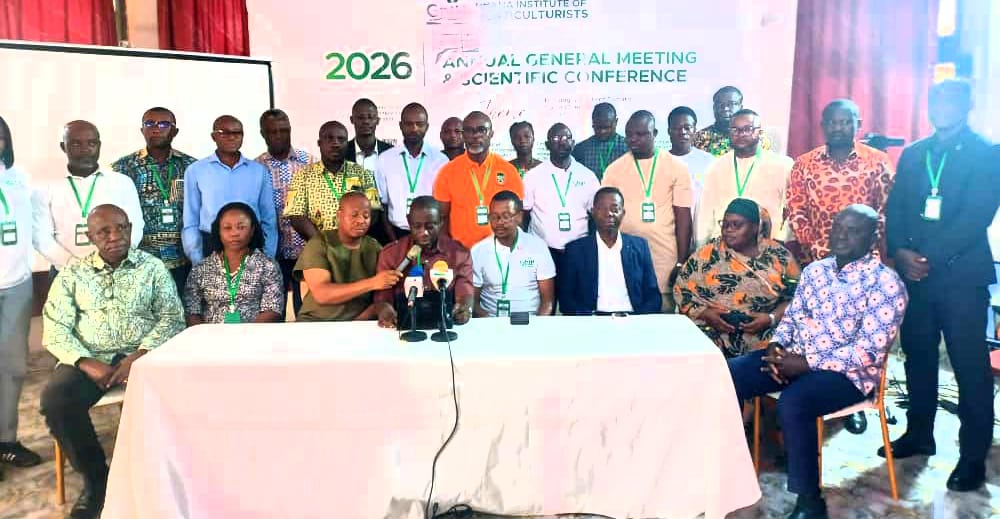
The Ghana Institute of Horticulturists (GhIH) has urged the government to establish a dedicated Horticulture Authority and urgently repair key irrigation systems and tomato-processing factories to bolster Ghana's tomato sector. The GhIH emphasized that a collaborative effort involving government, researchers, farmers, the private sector and other parties is essential to boost domestic tomato production, generate employment and lessen the nation's reliance on imported fresh and processed tomatoes.
The call was made in a seven-point statement issued on October 2, 2026, at the end of the GhIH's 26th Annual General Meeting and Scientific Conference in Fiapre, near Sunyani in the Bono Region. The three-day event focused on "Building a Resilient Tomato Value Chain in Ghana: Need for Stronger Stakeholder Engagement," and included professionals and stakeholders from the horticulture sector, such as scientists from the Council for Scientific and Industrial Research (CSIR), university lecturers, agriculture directors, farmer-based organizations and non-governmental organizations.
While praising the government's Feed Ghana program initiatives to boost domestic tomato production, particularly the Yɛredua vegetable program, the GhIH stressed that persistent challenges across the tomato value chain necessitate targeted interventions and better coordination among stakeholders. The Institute called for the creation of a dedicated fund to support the development and release of locally suitable, high-yielding, disease- and pest-resistant, and heat-tolerant tomato varieties.
In the meantime, it urged the government to subsidize recommended hybrid and open-pollinated tomato varieties approved by the Ministry of Food and Agriculture (MoFA).
Additionally, the GhIH called for the swift repair of major irrigation schemes, including Tono, Vea, Bontanga and Akumadan, to boost dry-season tomato production nationwide. They also expressed willingness to cooperate with MoFA and the Ministry of Local Government, Chieftaincy and Religious Affairs to create training programs for Agriculture Extension Agents and Technical Officers.
These programs would focus on technologies and practices to enhance tomato production and post-harvest handling, which would subsequently be shared with farmers.
The GhIH further advocated for increased investment in greenhouse tomato production to complement open-field cultivation, especially during the dry season. They stressed the need for stronger collaboration between government and the private sector to ensure markets and fair prices for farmers. The Institute said that a secure market and good prices for tomato produce would help maintain farmers' interest and promote ongoing production.
Regarding processing, the GhIH urged the urgent restoration and operation of existing tomato-processing factories, such as the Pwalugu and Wenchi Tomato Factories. They believed that reviving these factories would expand the market for locally-produced tomatoes, reduce dependence on imported processed tomato products and create opportunities for increased youth employment.
The GhIH stressed that Ghana's horticulture industry has the potential to employ young people and women, boost national revenue, and contribute to food and nutrition security, but warned that these goals cannot be achieved without cohesive policies and programs. The Institute reaffirmed its commitment to working with government and other stakeholders to strengthen Ghana's horticulture industry and build a more resilient tomato value chain.
Written by urgent.news from MyJoyOnline Ghana's reporting — not their text. Machine-written — may contain errors; check the original before relying on it.