Ghana’s university libraries urged to lead change in digital age
Ghana’s university libraries must do more than preserve books and provide access to information if they are to remain central to teaching, research and learning in a rapidly changing academic environment, senior university leaders and librarians have said. They say the growing influence of digital technology, artificial intelligence, open access and changing expectations from students […]
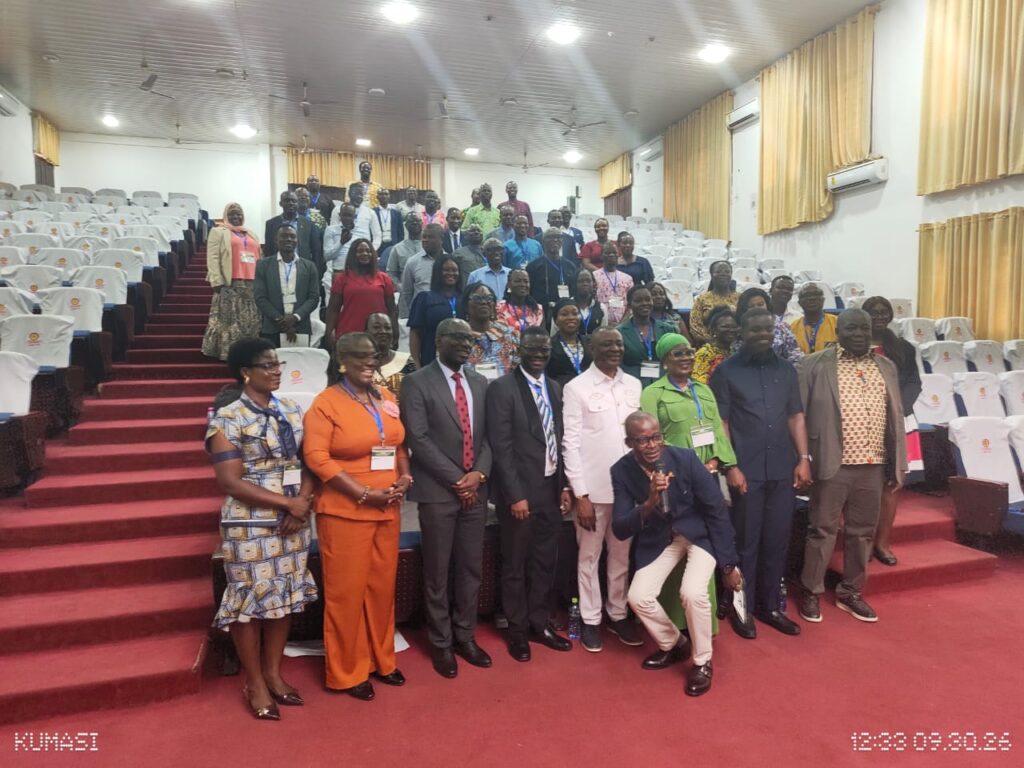
Ghana's university libraries must adapt to thrive in the digital age, senior leaders and librarians have emphasized at the 42nd Annual General Meeting and Conference of University Librarians Ghana (ULG). Held in Kumasi from September 30 to October 1, 2026, the conference focused on developing resilient library leaders for a transforming academic landscape.
The theme, "Leading the Change: Developing Resilient Library Leaders for a Transforming Academic Landscape," highlighted the need for libraries to move beyond preserving books and provide access to information in a rapidly evolving academic environment.
Professor Isaac Boateng, Pro-Vice Chancellor of the University of Skills Training and Entrepreneurial Development (USTED), argued that change is already underway, and the question is whether libraries will lead the change or merely respond to it. He emphasized that libraries must evolve to help people distinguish between information, knowledge, understanding, and wisdom. The library of the future should foster knowledge, protect scholarship, and liberate minds.
Boateng cautioned against simply replicating Western library models, using Ghana's supermarket industry as an example. He urged libraries to incorporate local content and respond to the needs of Ghanaian students, researchers, and communities. Dr Theresa Adu, University Librarian at the University of Health and Allied Sciences, stressed the importance of collaboration among academic libraries, as many resources required for teaching, learning, and research are costly.
She highlighted the role of the Consortium of Academic and Research Libraries in Ghana in making electronic resources more affordable through collective arrangements.
Adu emphasized the need for libraries to demonstrate their impact and contribute to universities' intellectual mission, even when their work is not always visible to the public. She concluded by emphasizing the need for libraries to remain central to the university's intellectual mission while adapting to the changing academic landscape.
Written by urgent.news from MyJoyOnline Ghana's reporting — not their text. Machine-written — may contain errors; check the original before relying on it.