Germany marks 36 years of unity: Why was the country divided and how united is it today?
Only 17% of former GDR citizens kept their jobs after the change of system, a legacy still visible in regions short of people and corporate headquarters.
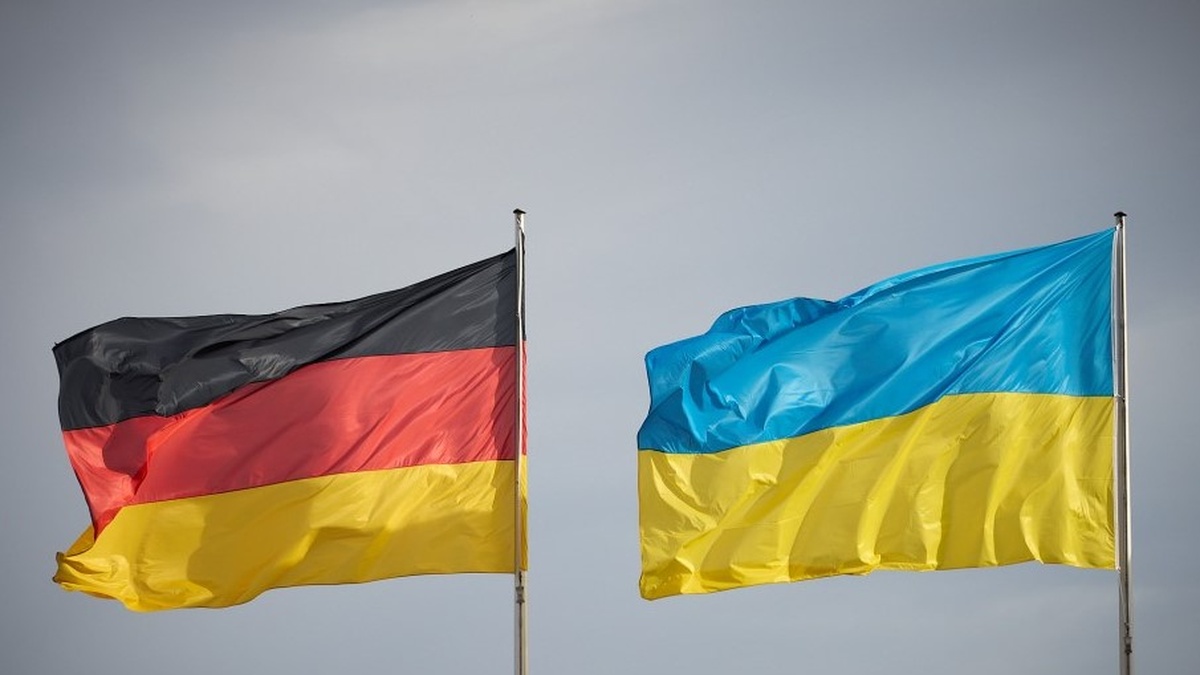
Germany is commemorating the 36th anniversary of its reunification on 3 October 1990. This date marks the end of a 41-year division that had lasted since the formation of two separate German states following World War II. The former German Democratic Republic (GDR) merged with the Federal Republic of Germany (FRG), uniting the country and restoring Berlin as its capital.
Steeven Bretz, a leader in Brandenburg's Christian Democratic Union, honored former Chancellor Helmut Kohl, crediting him for the successful reunification. The Glienicke Bridge in Potsdam, where the former border once stood, was rebuilt and reopened in 1949 as the Bridge of Unity. It gained prominence during the Cold War as a location for international exchanges of agents.
Kohl, who served as chancellor from 1982 to 1998, is remembered as the "chancellor of unity." In a televised address, he emphasized the dream of reunification after more than four decades of division, urging Germans to remember those who suffered due to the separation. He also expressed gratitude to former East Germans who fought for their freedom, the victorious powers, and Central, Eastern, and Southern Europe's freedom movements.
Despite the reunification, Germans today remain divided in terms of representation. A 2026 report by the Federal Government Commissioner for Eastern Germany indicates that while living conditions are assessed similarly in many respects between East and West Germans, East Germans are underrepresented in top federal positions. The disparity is most noticeable in inheritances and gifts, with 95 percent of taxable transfers of assets accruing to West Germany in 2025.
This difference is attributed to the turmoil that followed reunification, with many former GDR citizens losing their jobs, companies facing market losses, and young, well-qualified individuals moving to the West. Consequently, some regions still suffer from a lack of population and corporate headquarters. The federal government is addressing these disparities by providing support to structurally weak regions.
Written by urgent.news from Euronews's reporting — not their text. Machine-written — may contain errors; check the original before relying on it.