G7’s 100-million-barrel diesel fix: What happens after the emergency release
The G7 announced an urgent release of 100 million barrels of oil and fuel products to counteract the ongoing diesel shortages, starting now and extending over the upcoming four months. Yet, experts warn that this withdrawal from emergency reserves could jeopardize future preparedness. Additionally, with supply routes still facing disruptions from geopolitical issues, the overall impact on fuel…
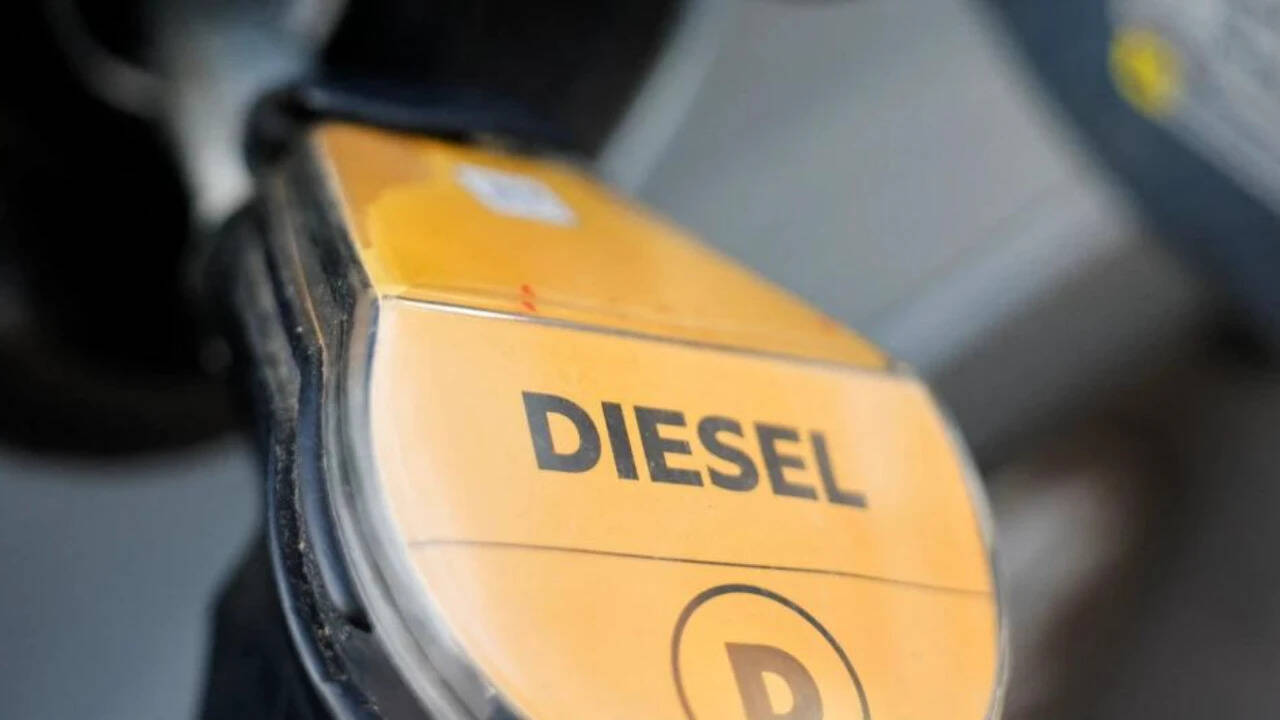
The G7 has initiated a 100-million-barrel emergency release of diesel to combat the current fuel crisis. This move comes as diesel prices soar in both the US and Europe, with the US average hitting $6.37 per gallon on Friday. France, currently taking the helm of the G7 presidency, announced the release during a video conference involving G7 nations and EU representation. The strategy aims to temporarily lower prices and provide much-needed liquidity, but experts warn of potential risks and uncertainties.
The biggest concern is the long-term impact on Europe's emergency fuel reserves. While the release may offer short-term relief, it could leave Europe with less cover in case of future supply disruptions. Energy market researcher Jim Krane notes that draining stocks will bring temporary price reductions, but at the expense of reducing Europe's strategic reserves. The replenishment of these reserves will be a challenge, with no clear timeline or cost estimates available.
Another challenge lies in the uncertainty surrounding the scale of the intervention. The G7's announcement follows a March commitment by the International Energy Agency (IEA) members to release 426 million barrels of oil and products. However, it is unclear whether the 100 million barrels being released now represents an additional release or part of the earlier pledge. This lack of clarity has limited the initial market reaction, with US oil prices falling 2% following the G7 statement.
Moreover, the intervention is taking place amidst ongoing geopolitical tensions. Russia's ban on exports following Ukrainian drone strikes on its refineries has reduced the available supply of diesel to potential buyers. Simultaneously, Persian Gulf producers have seen a decline in shipments due to war damage and blocked export routes. The ongoing conflict in the Middle East has further disrupted fuel flows, particularly through the Strait of Hormuz, which accounts for nearly one-fifth of the world's energy supplies.
While the G7 release focuses initially on diesel, its impact on US prices could be significant, potentially reducing fuel costs by 25-50 cents per gallon. However, the intervention may also limit US exports of diesel, impacting prices in the country. Given the current challenges in supply routes and geopolitical uncertainties, the G7's emergency release of diesel provides temporary relief but may not be a long-term solution to the fuel crisis.
The replenishment of emergency reserves and the resolution of geopolitical tensions remain critical factors in addressing the underlying issues driving fuel prices higher.
Written by urgent.news from Times of India's reporting — not their text. Machine-written — may contain errors; check the original before relying on it.