G20 splits over industrial overcapacity, an issue often aimed at China
WASHINGTON, Oct 3 — The US G20 presidency said yesterday it was “severely disappointed” that some memb...
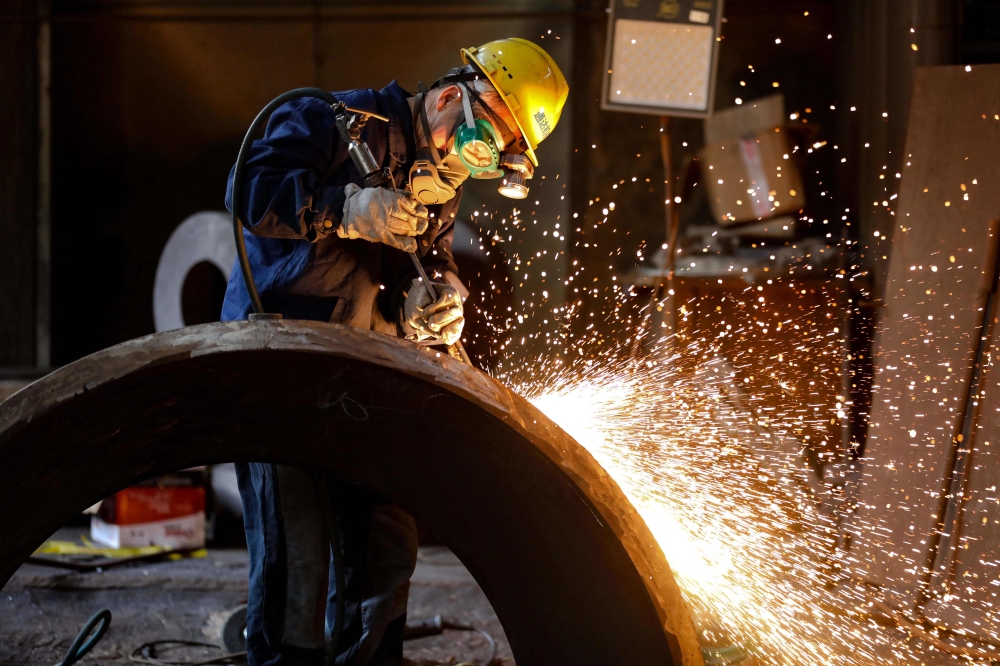
US G20 presidency expressed severe disappointment on Monday that certain members failed to endorse a statement urging action against surplus industrial capacity, an accusation often directed at China. The United States leads the Group of 20 major economies this year, comprising nations like China, India, France, Germany, and Japan.
However, trade ministers struggled to agree on tackling overcapacity and forced labor following two days of discussions in Milwaukee. A proposed ministerial statement addressing excess capacity, seen as a method to drive down prices unfairly, "received support from all but a few members," according to top US trade official Jamieson Greer.
This statement called for all countries to strive to eliminate structural excess capacity in their economies, among other measures. "The US G20 Presidency was severely disappointed by their refusal to agree to the statement," Greer, who chaired the G20 trade ministerial meeting, stated in a released statement. The statement did not specify which countries disagreed.
In September, China objected to language in a finance ministers' statement urging members to "eliminate non-market policies." When questioned about the issue during the G20 talks, China's international trade representative Li Chenggang only said that parties expressed their respective opinions. G20 members also could not reach a unified stance on eliminating forced labor from supply chains.
Only Mexico and Argentina joined the United States in issuing a joint statement. Earlier this year, Washington had raised concerns over forced labor to impose extensive tariffs on a variety of countries, including G20 members. Yet, G20 trade ministers "agreed that trade in food and agricultural products should not be used as a means of economic or political coercion," Greer's statement noted.
Written by urgent.news from Malay Mail's reporting — not their text. Machine-written — may contain errors; check the original before relying on it.