Fuel Price Crisis | How the vicious cycle is squeezing your wallet from every angle
Higher fuel prices could push inflation and interest rates higher, adding to debt repayments before consumers even get to the petrol station, supermarket or anything else they need to pay for.
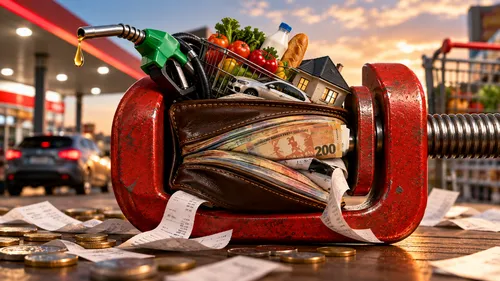
South Africans may be subjected to another interest rate increase due to escalating fuel prices driving inflation, creating a self-perpetuating cycle that strains household finances. Investec's chief economist, Annabel Bishop, anticipates petrol and diesel prices to rise by approximately R3 per litre in October, potentially driving the consumer price index (CPI) inflation towards 5% year-on-year and prompting a possible November repo rate hike.
Inflation rose to 4.4% in August, a marginal increase from July, with transport costs contributing to the 8.8% year-on-year surge. Bishop attributes the heightened market concerns over Middle East war's impact on oil supply and prices, as well as potential regional conflict escalation, to the current fuel price concerns.
Bishop predicts another 0.25 percentage point hike for the year, bringing the prime rate to 11%. This could significantly affect households, increasing monthly repayments for a R1.5 million home loan from R15,228 to R15,483 and a R500,000 car loan from R9,453 to R9,517. For households with multiple debts, this could amount to about R319 extra monthly, without accounting for further fuel, transport, and food cost increases.
South Africa's household debt reached 62.2% of disposable income in the first quarter, with debt servicing costs standing at 8.4%. Among consumers already financially pressured, 53% spend over 40% of their take-home pay on debts, up from 48% last year. Even those earning more than R20,000 a month, who should ideally spend less than 30% on debt, are overpaying by more than 75%.
Debt review applicants are particularly affected, with the South African Financial Pressure Index revealing that the median applicant in June-August was committing 58.4c of every R1 to debt repayments. The average take-home pay has scarcely grown, from R21,399 in March to R21,622 in August, a 1% increase. However, real terms show a 2.6% drop in August compared to a year earlier.
Meanwhile, inland 95 petrol prices have climbed from R20.30 a litre in March to R26.92 in September, with another R3.16 increase expected in October, pushing the price to approximately R30.08 per litre. Diesel prices have also surged, affecting food and other goods transportation costs. Road freight companies allocate 35% to 55% of their operating costs to fuel.
Higher freight costs may not immediately translate to higher supermarket prices, as consumers may substitute other goods, and businesses may absorb some of the increase to avoid losing sales. Despite this, food basket costs have increased by 2% year-on-year, with food inflation decreasing.
Written by urgent.news from IOL's reporting — not their text. Machine-written — may contain errors; check the original before relying on it.