Florida's Dengue Outbreak Is Now the Largest in the Continental U.S. in Decades
(MedPage Today) -- Florida's current dengue outbreak appears to be the largest in several decades in the continental U.S. State health officials reported this week that more than 250 locally acquired cases of the mosquito-borne disease have been...
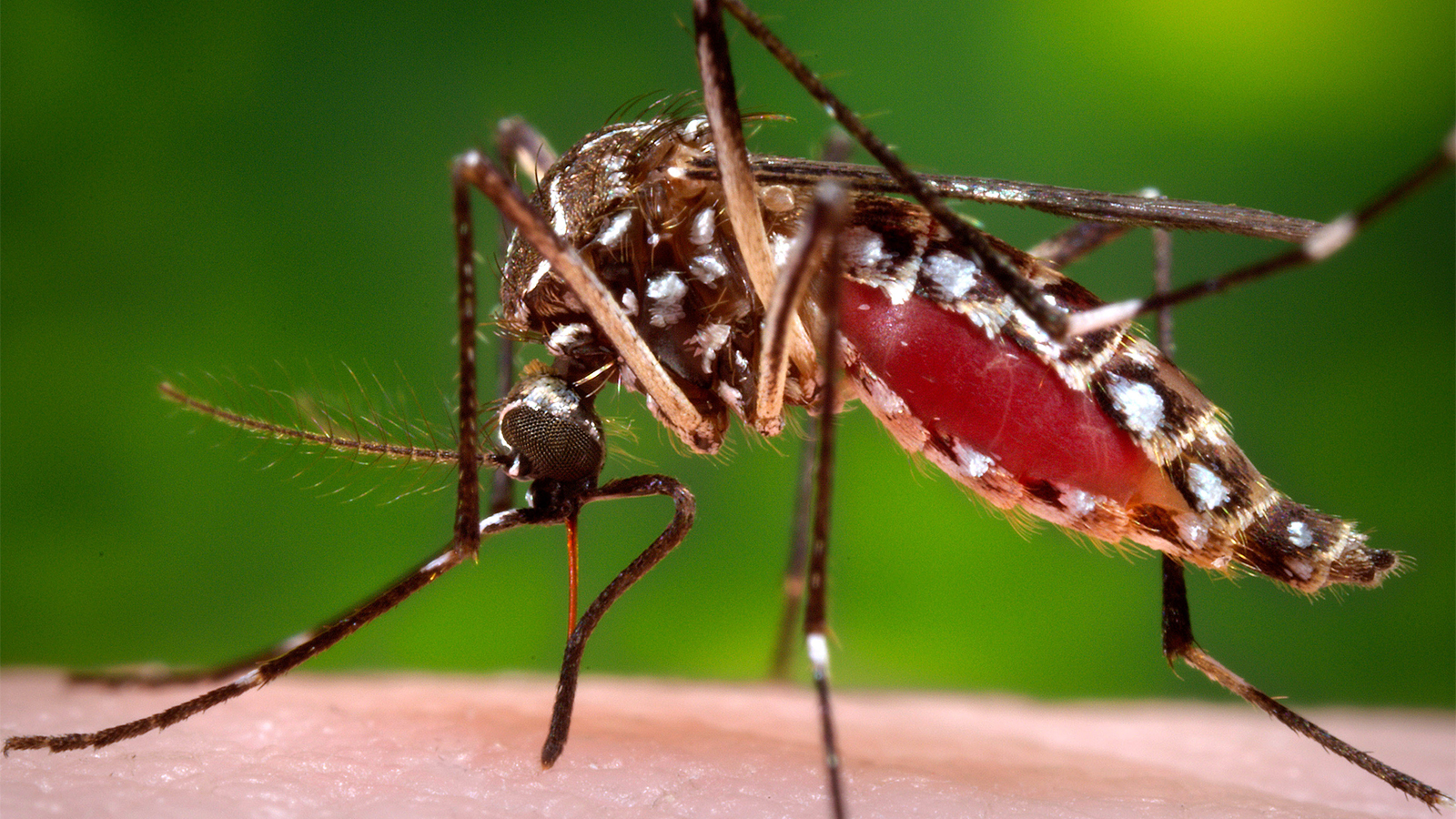
Florida's current dengue outbreak appears to be the largest in several decades across the continental United States. Over 250 locally acquired cases have been recorded so far this year, with the majority occurring in Hillsborough County, which is home to Tampa. Federal health officials acknowledge that their records on dengue outbreaks are limited, but based on available data, this outbreak marks the most cases in a single year for any state since at least the 1940s.
Puerto Rico usually experiences more cases, but Florida typically leads in the continental U.S. for locally transmitted cases. The previous record was set in 2023, with just under 200 locally spread cases.
Hillsborough and surrounding counties have declared local emergencies, and workers in the Tampa area are working tirelessly to control the mosquito population. Dengue is a mosquito-borne virus that can cause fever, flu-like symptoms, and excruciating body aches. Severe cases may result in bleeding, shock, and even death. There has been one dengue-related death in Florida this year, an elderly woman in Tampa on September 4.
Dengue is caused by a virus transmitted by a specific type of mosquito. Many infected individuals do not exhibit symptoms, but some experience fever, flu-like symptoms, and severe body aches. The virus has four types, known as 1, 2, 3, and 4. When someone is first infected, their body builds antibodies against that specific type for life.
Subsequent infections with another dengue type can cause complications, as the antibodies from the first infection may not neutralize the second type, potentially allowing the virus to replicate within immune cells. This has made the development of an effective vaccine challenging.
Most residents in the Tampa area do not possess pre-existing immunity to any form of dengue, according to Dawn Wesson, a Tulane University expert on dengue and other mosquito-borne diseases. The warm-weather mosquito species that spread dengue are prevalent in Florida and other warmer U.S. regions, but experts warn that these mosquitoes' geographic reach is expanding due to climate change.
While most continental U.S. infections have historically been among travelers who contracted the virus abroad, the first dengue cases in the continental U.S. outside the Texas-Mexico border since 1945 were reported in Key West in 2009-2010. The largest outbreak of dengue in any U.S. state since then occurred in Hawaii in 2015-2016, with 264 locally acquired cases.
In 2023, Florida experienced the previous worst year with almost 200 locally spread cases. In Hillsborough and nearby counties, local emergencies have been declared, and workers in the Tampa area are spraying day and night to control the mosquito population. Dengue is transmitted by a particular type of mosquito, and most infected individuals remain asymptomatic.
However, symptoms can include fever, flu-like symptoms, and severe body aches, which are colloquially known as "breakbone fever." Severe cases may lead to bleeding, shock, and death.
The current outbreak is centered just north of Tampa, and workers have been actively spraying to kill mosquitoes and inspect properties for stagnant water where mosquitoes might breed. People in outbreak areas should take preventive measures, such as using EPA-registered insect repellents containing active ingredients like DEET, wearing long-sleeved shirts and long pants, and staying indoors with air conditioning or behind screens.
These precautions are particularly crucial during early morning and late evening hours when mosquitoes are most active. Locally acquired cases in Florida have surpassed travel-associated cases, with a count of 252 to 245 as of last week. However, the exact reasons behind the surge in the Tampa area remain unclear, though travel patterns may have contributed to the situation.
Written by urgent.news from MedPage Today's reporting — not their text. Machine-written — may contain errors; check the original before relying on it.