Fed’s Hammack says there is time to weigh next rate move
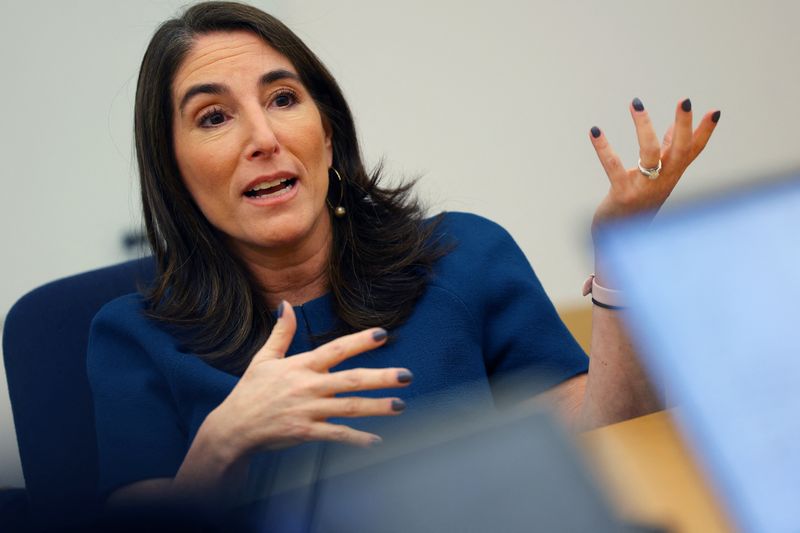
Federal Reserve Bank of Cleveland President Beth Hammack stated that policymakers still have time to evaluate incoming economic data before determining their subsequent move on interest rates, as reported by Reuters. During an appearance on PBS NewsHour, Hammack commented on the September U.S. employment report, which showed an increase in payrolls to 29,000 and a rise in the unemployment rate to 4.2%.
She noted that this data was broadly consistent with recent labor market trends, with average job creation of 41,000 per month over the past year, matching her estimate for maintaining a stable labor market. Hammack's remarks imply that the weaker September headline figure may not be sufficient to decide the Fed's next policy action.
She emphasized that policymakers would receive additional information before the Federal Open Market Committee's meeting later in the month, providing time to assess the appropriate stance to meet the central bank's employment and inflation goals. Hammack, an early advocate for higher interest rates to address inflation concerns, echoed similar statements from other Fed officials, signifying that there is ample time for policymakers to review economic data before contemplating another rate increase.
The Fed had already raised its benchmark interest rate by 25 basis points last month, setting the target range at 3.75% to 4%, with further increases expected before the year's end. However, recent Fed officials' comments suggest that a rate change at the upcoming Oct. 27-28 meeting is unlikely, leaving the timing of subsequent rate hikes dependent on forthcoming economic data.
The September employment report provided policymakers with another data point to weigh, balancing slower hiring against ongoing inflation concerns.
Written by urgent.news from Investing.com's reporting — not their text. Machine-written — may contain errors; check the original before relying on it.