Energiemarkt: Was bringt die Freigabe von Öl-Reserven?
Die von den G7-Ländern geplante Freigabe von Öl- und Dieselreserven wird die hohen Spritpreise wohl nicht nachhaltig senken. Doch sie senden ein Signal an den Markt.
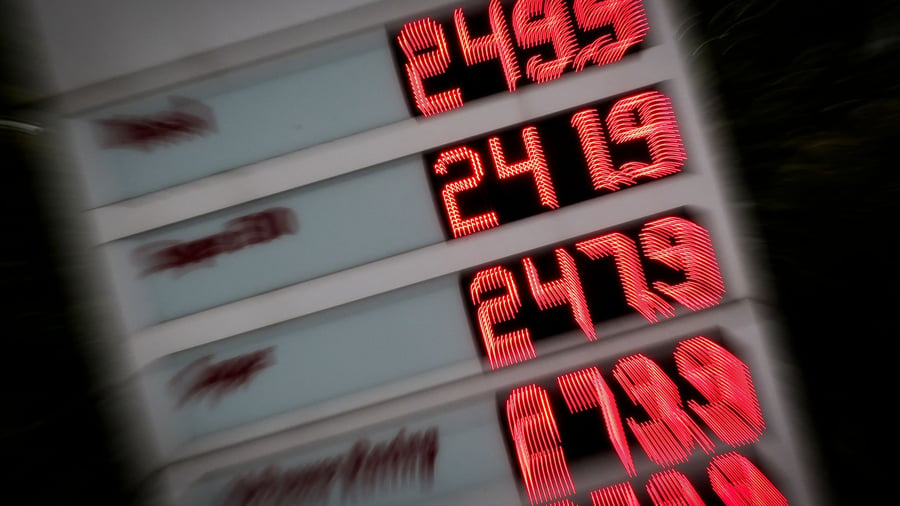
The recent release of oil reserves in the Energiemarkt has been a topic of discussion following the conflict in the Middle East. Oil prices have been soaring for months due to the ongoing war between Iran and the US, with the Hormuz Strait witnessing attacks on tankers and the US deploying more warships to the region. This has raised concerns about potential supply shortages, driving up prices.
Since the start of the year, Brent crude oil has risen by over 60 percent, leading to a significant increase in inflation, surpassing the 100 US-dollar per barrel mark.
The G7 countries have decided to curb the rise in oil prices by freeing up 100 million barrels of crude oil and diesel over the next four months, according to the International Energy Agency's (IEA) coordination. This move signals that there is enough oil available, preventing any potential shortages. The amounts released are to be sold at current market prices, primarily to avoid supply disruptions rather than lowering prices for gasoline and diesel.
The decision has not been without its challenges. US threats to impose a diesel export ban have put pressure on the G7 members to block such restrictions. Greenpeace accused the US of "threatening" the dependency on gasoline and diesel, making Europe vulnerable geopolitically. However, the G7 statement explicitly prohibits member states from implementing such limitations.
Dealing with Iran's ongoing war, the US had previously increased its diesel supply by five to six percent of the demand, with Germany and Europe relying on a relatively small percentage from the US. Germany's strategic oil reserves can cover three months of full import failure. These reserves consist of crude oil and finished mineral oil products like diesel, gasoline, kerosene, and jet fuel, managed by the Erdölbevorratungsverband (EBV) and funded through mandatory contributions from the mineral oil industry.
The reserves are distributed throughout Germany, ensuring a secure supply system that is continuously monitored.
Since the announcement, oil prices initially dropped, with Brent crude oil falling by over three percent to 98.72 US-dollars per barrel. While this may provide short-term relief for drivers, the fundamental issue remains - the basic problem of oil dependence.
Written by urgent.news from Handelsblatt's reporting — not their text. Machine-written — may contain errors; check the original before relying on it.