Customs and Border Protection tapped 80,000 Flock cameras last year — police weren’t kept in the loop
Danville, Illinois, logged more than 4,000 federal searches, though ICE had no Flock contract. Flock says customers control their data.
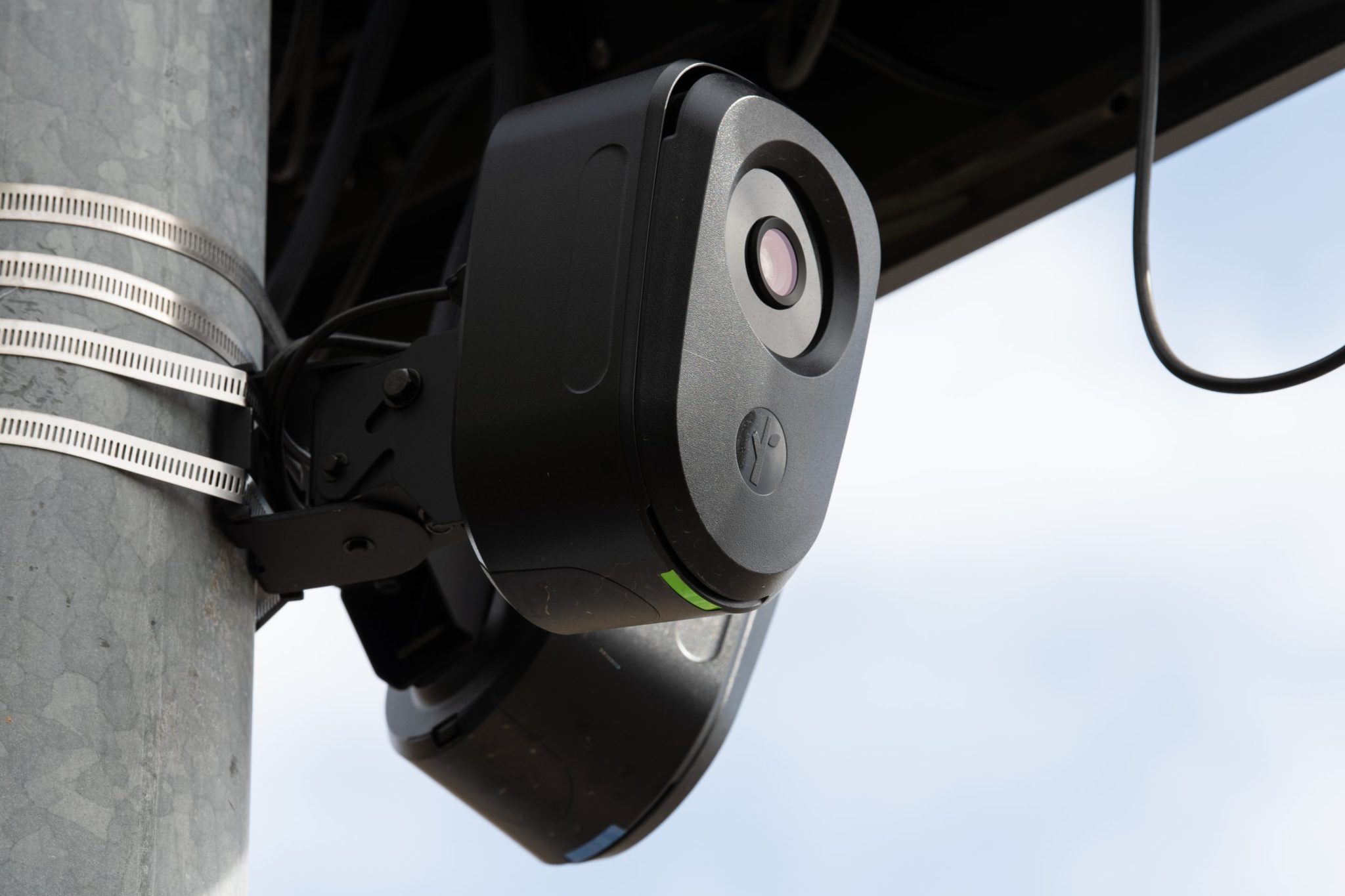
Marci Bakely, a single mother from Georgia, faced persistent harassment from her ex-boyfriend, Braselton Police Chief Michael Steffman. Steffman used Flock Safety's license plate readers to track Bakely's and her daughter's vehicles over 600 times, leading to charges of stalking and harassment. Steffman was found dead before his trial.
The Washington Post's investigation revealed that at least 50 officers misused ALPRs, including 26 who targeted partners or potential romantic interests. Flock Safety reported that these cases represent a small percentage of its 140,000+ users. The company now mandates regular audits and case codes to document searches, but these measures may not prevent misuse.
Flock's architecture allows local cameras to be part of a nationwide surveillance network, enabling searches across jurisdictional boundaries without warrants. For instance, in 2025, U.S. Customs and Border Protection accessed over 80,000 cameras during a nationwide pilot, including without a police department's consent. In Danville, Illinois, federal agencies conducted over 4,000 searches of Flock cameras, with potential immigration enforcement motives.
The Fourth Amendment's implications remain unclear. While a Virginia appeals court ruled that officers needed no warrant to retrieve vehicle images, a federal judge later dismissed this stance. In Carpenter v. United States, the Supreme Court held that obtaining historical cellphone location data generally requires a warrant. However, the question remains whether ALPR databases can be searched without warrant.
As the platform continues to expand, concerns about privacy and oversight grow. The ease of use, limited monitoring, and difficulty controlling connected cameras pose challenges for ensuring compliance with constitutional protections.
Written by urgent.news from Fortune's reporting — not their text. Machine-written — may contain errors; check the original before relying on it.