Could 18 strategic dams help solve Philippines' flooding? The ₱180-billion question
MANILA — Could the Philippines turn its floodwater problem into a multi-billion water, food and long-term energy opportunity? National Irrigation Administration (NIA) Administrator Eddie Guillen has argued that building dams across the country’s 18 major river basins could simultaneously boost flood control, water security, irrigation and hydropower. The arithmetic is striking: at an assumed ₱10…
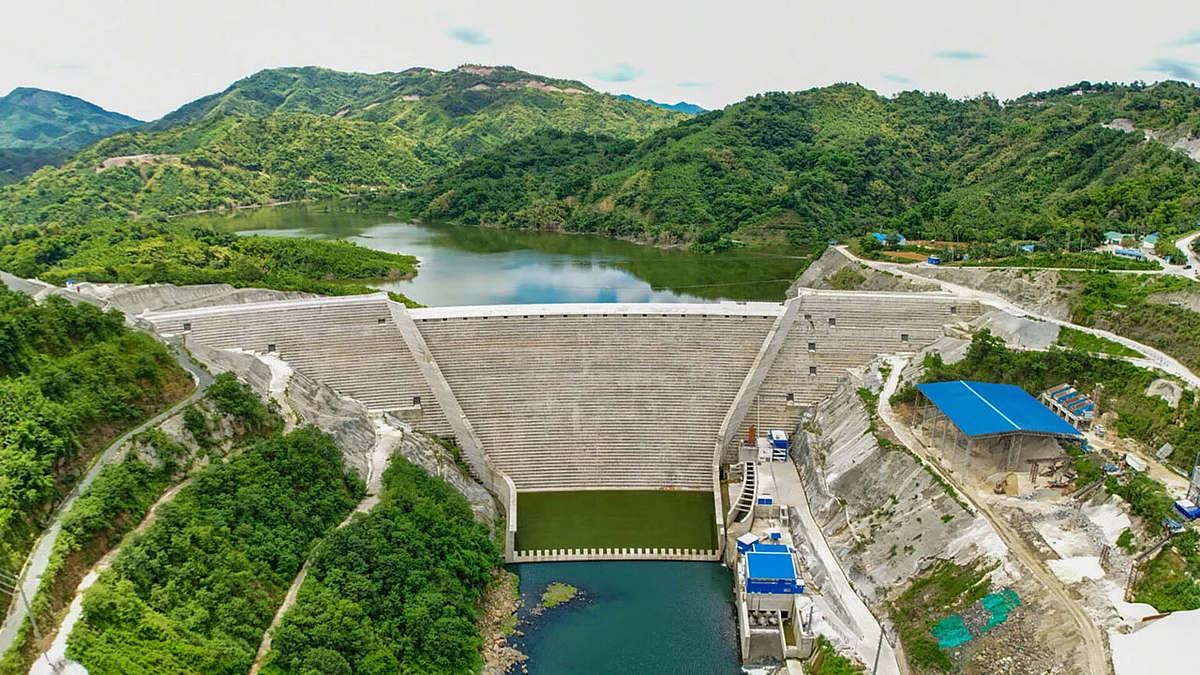
The Philippines could transform its floodwater issues into a multi-billion dollar opportunity through strategic dam construction across its major river basins, according to National Irrigation Administration (NIA) Administrator Eddie Guillen. The estimated cost of building 18 dams at an assumed ₱10 billion each would amount to ₱180 billion (US$2.87 billion) over five years. However, this figure is an initial assumption, not a definitive cost estimate.
The country currently faces recurrent flooding due to decades of ineffective flood control measures. Building dams across the 18 major river basins could simultaneously enhance flood control, water security, irrigation, and hydropower generation. For instance, the Jalaur River Multi-Purpose Project Stage II, with an estimated cost of ₱19.7 billion, includes three dams, irrigation infrastructure, and other components.
The Philippines is endowed with numerous dams, including 15 run-of-the-river systems, which currently produce 1.19 gigawatts (GW) of electricity while aiding irrigation efforts. With at least 20 hydropower projects in the pipeline, the country has the potential to generate up to 12.74 GW, according to Department of Energy data. The nation's natural waterfalls, particularly in South-east Asia, make it an ideal location for harnessing water power, including pumped-hydroelectric power, a technology the Philippines has pioneered.
However, the biggest hurdle in implementing additional mega-dams is the permitting process, which faces opposition from environmentalists and nearby communities. Notable cases, such as the Kaliwa Dam in Sierra Madre and the Cordillera dams, have sparked debates over environmental laws, Indigenous land rights, and potential risks associated with altered river flows during typhoon seasons.
Despite these concerns, environmentalists argue that dams offer long-term benefits when well-planned and executed. Benefits could include flood mitigation, increased farm production, water supply during dry periods, and electricity generation. Costs must also be considered, including construction expenses and potential long-term environmental impacts.
Written by urgent.news from Gulf News's reporting — not their text. Machine-written — may contain errors; check the original before relying on it.