Coal buffer plunge by 66%, a 3-year low, but rebuilding stock before next summer a ‘bigger concern’
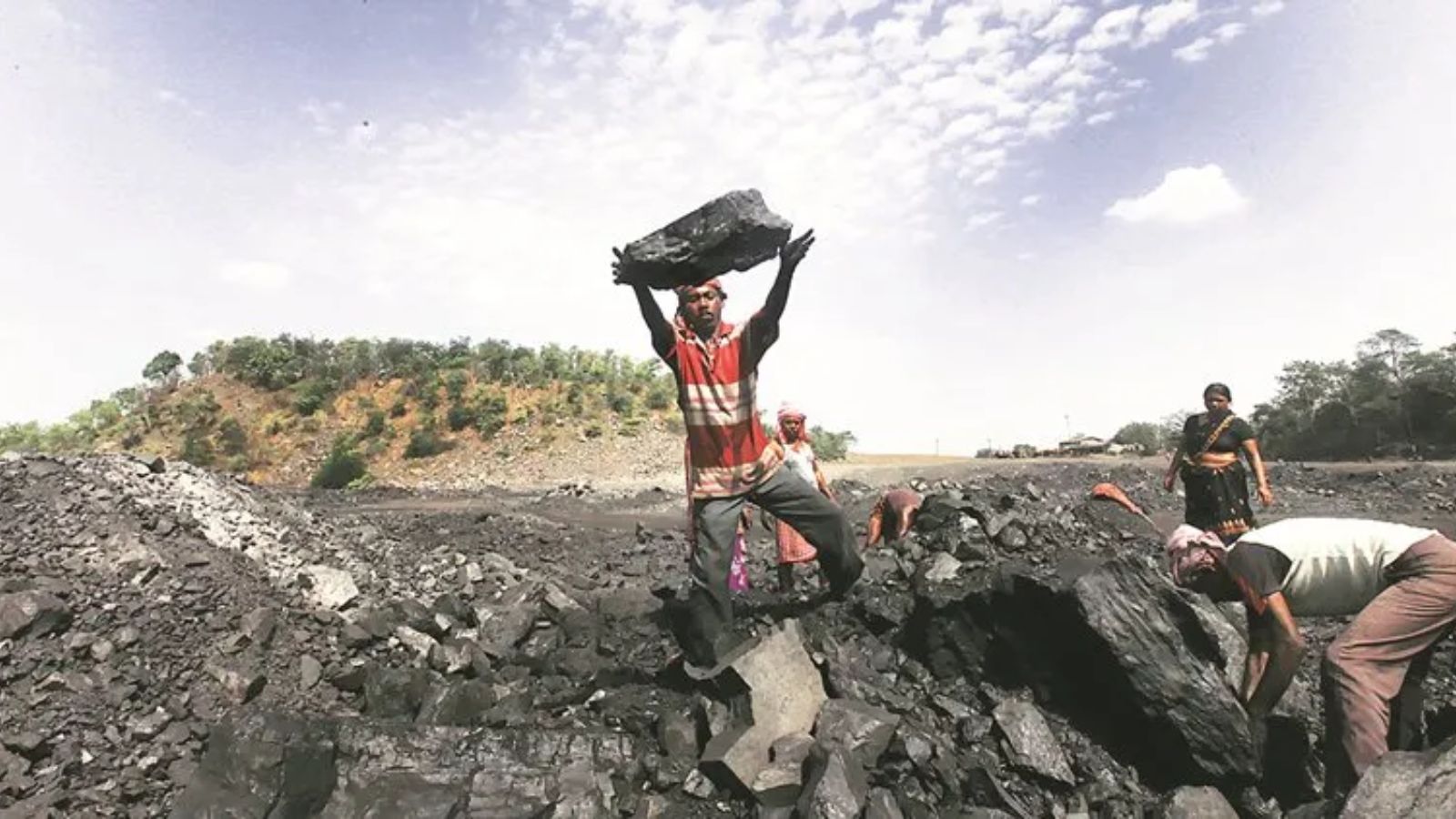
Coal inventories at domestic power plants plummeted 66% in the third quarter of the year, reaching a three-year low of 18.6 million tonnes by September 30. The sharp decline has officials worried, as they believe the situation could worsen if not addressed promptly.
The main concern, according to sources, is rebuilding coal stocks before the onset of next summer. Officials noted that the current situation is a "neck-to-neck" scenario, with domestic coal-based power plants facing a significant shortage of coal to meet demand. This is primarily due to reduced rainfall in northern and eastern parts of India, leading to a decrease in electricity demand during the summer months.
Coal India Limited, the country's largest coal producer, reported a 9.18% increase in coal production in September compared to the same month last year. However, the overall situation remains concerning as the depletion of coal inventories is the highest in the past three years, with a 66% decline this year compared to a 23% decline in the same period last year.
Officials have emphasized that the rebuilding of coal stocks is a bigger concern for the next summer and not just for the current year. They expect the demand to ease as the heat subsides and the country transitions into the post-summer demand pattern. This will provide some relief to coal-based power plants, allowing them to rebuild inventory by March.
While there are discussions around blending imported coal with domestic supplies to address the shortfall, no final decision has been taken yet. The government has directed around 112 captive coal-based power plants to operate at maximum capacity from October 1 to December 31 to maximize generation from available capacity. Additionally, there is a push to add more battery energy storage systems (BESS) over the next six months to bridge the gap between solar power availability and higher electricity demand during evenings and nights.
Written by urgent.news from The Indian Express's reporting — not their text. Machine-written — may contain errors; check the original before relying on it.