California announces AV regulation, fines for robotaxis that impede emergency responders
California's latest law takes aim at autonomous vehicle companies like Tesla, Waymo by setting financial penalties for fleets that block 911 responders.
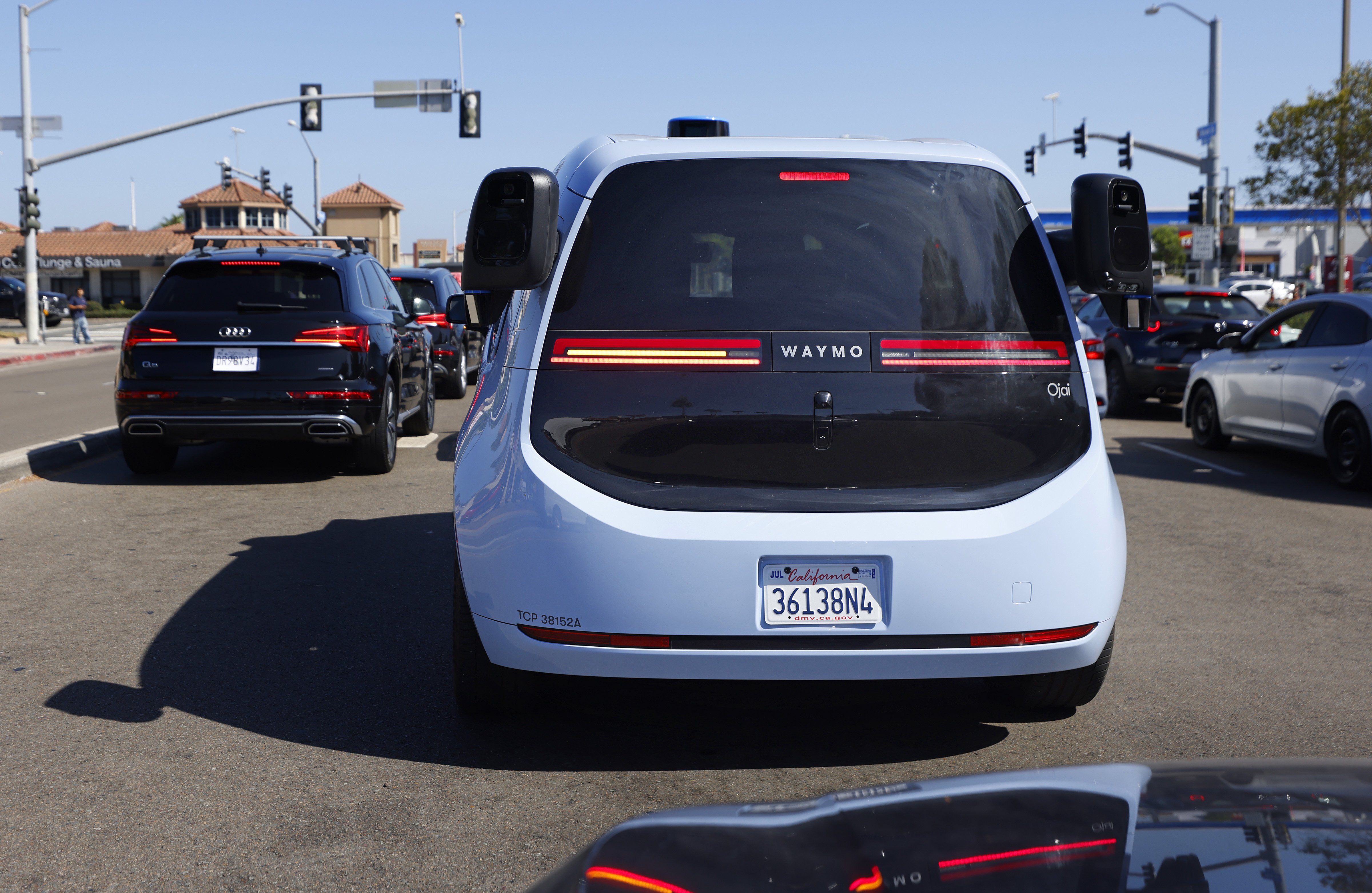
California has introduced a new law to regulate autonomous vehicles, specifically targeting robotaxis that impede emergency responders. Governor Gavin Newsom signed SB 1246 into law last week, imposing significant fines on AV operators like Waymo and Tesla if their vehicles obstruct first responders for more than 30 minutes. The bill also establishes statewide standards for AV operations and emergency response departments, mandating two-way communication, local incident technicians, and updated fleet protocols.
California's senator Dave Cortese emphasized that the state embraces innovation but insists on public safety. Robotaxis are becoming increasingly popular, with over 500,000 Waymo rides completed weekly in California alone. However, incidents involving these vehicles obstructing emergency vehicles, breaching crime scenes, and failing to recognize emergency conditions have been reported in various cities.
These issues have also drawn scrutiny from federal regulators, with a House bill introduced to set national safety standards for autonomous vehicles and emergency response coordination.
Written by urgent.news from Mashable's reporting — not their text. Machine-written — may contain errors; check the original before relying on it.