Best Mosquito Repellents for Your Yard: What Works and What Doesn’t (2026)
After years of testing repellents, traps, and sprays, I found a few ways to keep the bugs at bay—and plenty that aren’t worth the effort.
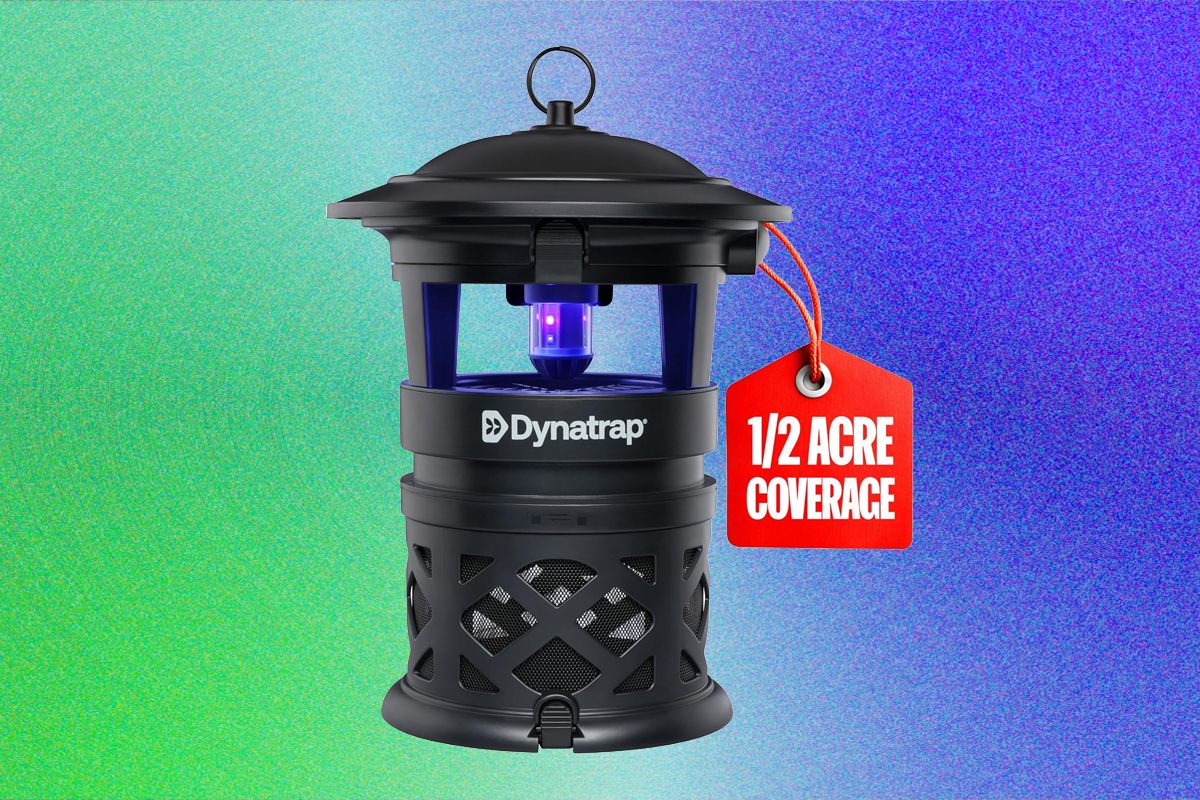
Mosquitoes can be a persistent nuisance, turning outdoor spaces into unusable areas if left unmanaged. While large-scale spraying programs exist, most personal solutions focus on repelling mosquitoes rather than killing them outright. Insecticides like DEET and metofluthrin-based repellents, such as those from Thermacell, are effective tools.
Thermacell's E-ZoneGuard line employs a heating element to release metofluthrin vapor in a 10-foot radius, providing a portable and effective repellent. The device is rechargeable via USB-C and lasts approximately 36 hours per replacement cartridge. Different models with unique features are available, such as those with built-in lights or docking stations.
For larger areas, Thermacell's LIV system is a semi-permanent solution that expands coverage using the same metofluthrin chemical. A central hub connects to up to 10 freestanding repellers, creating a protective barrier around outdoor spaces like decks and pools. LIV can be controlled via a mobile app, offering precise placement and automation, but it is expensive and requires professional installation.
A more affordable option is the Tiki BiteFighter, which utilizes string lights to distribute metofluthrin vapor in a 12-foot area. While it requires compatible E26 sockets and has a smaller range than LIV, it represents a low-cost alternative for those with suitable lighting setups.
Written by urgent.news from Wired's reporting — not their text. Machine-written — may contain errors; check the original before relying on it.