Anti-vax posts weaponise Philippine inoculation fears
WHEN Jenette Torres Odena’s 3-year-old son fell ill days after receiving a jab as part of a Philippine vaccination drive, his photograph spread on Facebook alongside claims the inoculation had killed him.
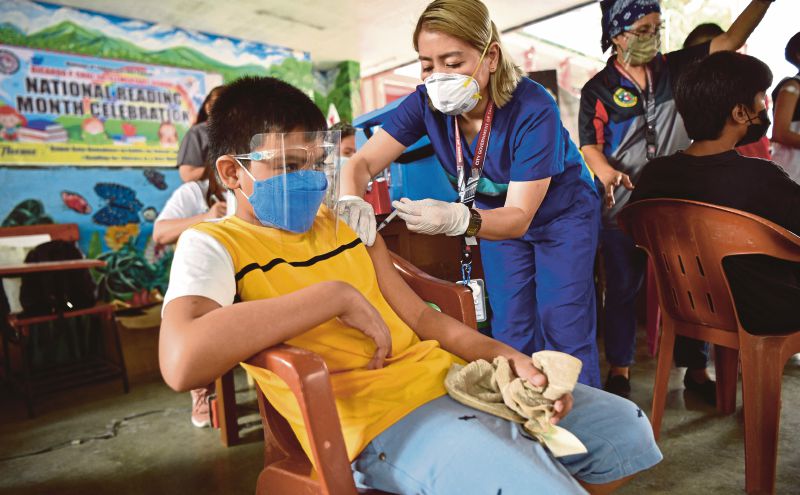
When Jenette Torres Odena's 3-year-old son fell ill shortly after receiving a measles-rubella vaccine administered as part of a Philippine vaccination drive, her son's image circulated on Facebook linked to claims that the inoculation had killed him. Despite doctors finding no connection between the vaccine and his condition, and his subsequent full recovery, the photograph continued to spread in anti-vaccine videos viewed by hundreds of thousands of people.
Odena expressed distress over the situation, praying for her son's recovery while seeing his image being depicted as a victim of vaccination. The child's image was utilized in misinformation campaigns accompanying the child vaccination campaign that year, with over seven million Filipinos vaccinated, and approximately 230,000 declining the jab.
The Department of Health attributed 66% of refusals to concerns about side effects and recognized misinformation spread by social media influencers as a major driver of vaccine fear. The Philippines has faced challenges in restoring routine childhood immunization rates following a decline in coverage, which led to a polio resurgence in 2019 and recurring measles outbreaks.
Vaccine hesitancy is not merely a result of a lack of scientific knowledge, but also involves trust issues, politics, and previous experiences with vaccination and public health institutions, according to Daniel Fritz Silvallana, a health communication researcher at Deakin University, Australia. Heather Shiloh, a Facebook content creator, incorporated Odena's son's photograph into a video, falsely implying that the vaccination campaign was harming children and drawing parallels to President Donald Trump's controversial decision to reduce the number of vaccine doses administered to American children.
Facebook eventually removed the page, but three affiliated pages remain active. Shiloh herself has been involved in anti-vaccine advocacy for years, connecting with church groups and advocacy circles opposed to various policies. Her videos, with millions of views, claimed vaccines contained harmful substances and warned of depopulation plots by the World Health Organisation.
One mother, who wished to remain anonymous, decided to delay vaccinating her children after watching Shiloh's videos, expressing concerns about potential side effects. Despite being debunked scientifically, Shiloh's claims continued to influence undecided parents. Health workers on the frontlines expressed fear over the videos, with rural health worker Wenna Mae Belen reporting instances of parents threatening to remove vaccines from their children's bodies.
Vaccine researcher Helen Petousis-Harris of the University of Auckland emphasized that these videos rely on fear rather than evidence, and suggested that rebuilding trust with parents requires patience and open, non-judgmental conversations.
Written by urgent.news from New Straits Times's reporting — not their text. Machine-written — may contain errors; check the original before relying on it.