Analysis: The threshold fight: What 5 percent debate means for 2029
The House of Representatives is entering its most consequential electoral reform since 2017. As Commission II drafts a new Election Law for 2029, the fault line is already clear: the legislative threshold.
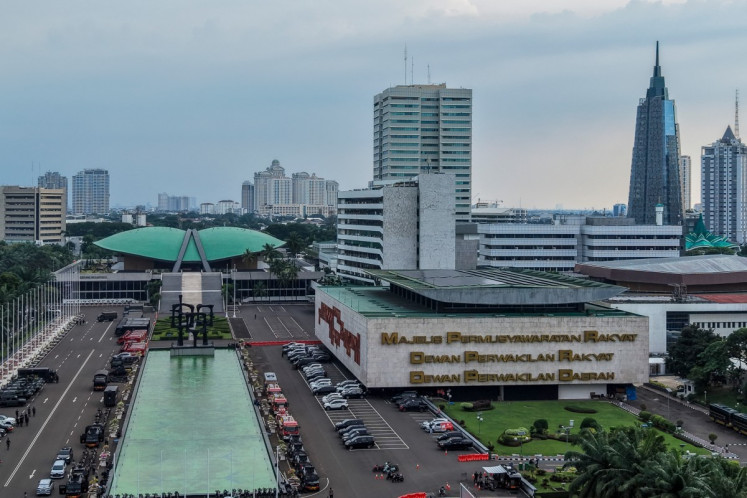
The Indonesian House of Representatives is on the brink of a major electoral reform, with the threshold for representation up for discussion. As Commission II prepares a new Election Law for 2029, the focus narrows down to the legislative threshold, currently set at 4 percent. Seven parties within President Prabowo Subianto's governing coalition, including Gerindra, Golkar, PKS, PAN, NasDem, the Democratic Party, and the National Awakening Party, have come together to raise the threshold to 5 percent.
Meanwhile, the Indonesian Democratic Party of Struggle, and smaller parties like the PPP, Labor Party, Ummat, and GKSR coalition, are pushing for the opposite.
The coalition parties argue that a higher threshold encourages consolidation, making it easier to build majorities for legislation and budgets. They also claim that it prevents hyper-fragmentation within the House, thereby promoting a more governable democracy. On the other hand, the smaller parties contend that the current 4 percent threshold is unjust, as it leads to significant waste of votes.
For instance, in the 2024 elections, the PPP, which received 5.9 million votes or 3.87 percent nationally, still received zero seats due to the 4 percent rule. They estimate that raising the threshold to 5 percent could result in the wastage of 15–20 million votes. Their arguments are twofold: firstly, they criticize the lack of proportionality, given that Indonesia's open-list system ought to link votes to seats.
Secondly, they argue that a high national threshold poses barriers to entry for parties anchored in labor, environmental, or regional interests, even when they are strong in specific provinces.
Written by urgent.news from The Jakarta Post's reporting — not their text. Machine-written — may contain errors; check the original before relying on it.