An Olympic dream in a broken house: Who is really driving South Africa's 2036 bid?
As Sports Minister Gayton McKenzie pushes to reform legislation and bring global mega-events to South Africa, the ongoing purges across SASCOC and major federations raise a vital question: can the nation host the world before fixing its own sports administration?
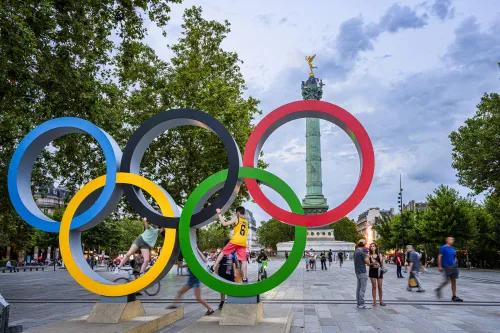
South Africa's quest to become the first African nation to host the Olympic Games is gaining traction, but a significant internal rift threatens its progress. The country's Sports Confederation and Olympic Committee (SASCOC) has formally entered dialogue with the International Olympic Committee (IOC) to discuss hosting the 2036 or 2040 Games. However, the driving force behind this bid is facing a stark contrast between political ambition and administrative chaos.
Barry Hendricks, then-SASCOC president, confirmed Cabinet approval for South Africa to enter dialogue with the IOC for the 2036 or 2040 Games. He championed a hybrid model inspired by Paris 2024, proposing a multi-city approach linking Cape Town, Johannesburg, and Durban to manage the multi-billion-rand financial commitment. Yet, Hendricks was subsequently suspended by SASCOC due to an internal investigation into safeguarding and code violations, highlighting the central paradox of South Africa's Olympic push.
Sports, Arts and Culture Minister Gayton McKenzie is actively pushing for sport to be recognized as a serious business sector, aiming to elevate its GDP contribution closer to international standards. McKenzie acknowledges the frustration surrounding the pace of administrative clean-ups, noting that many in sports operate without proper oversight, thinking they receive political protection.
The previous government viewed sport as entertainment, not as a business, McKenzie emphasizes, as current contributions to GDP remain minimal (2.6%) compared to other countries (5% to 7%). He has worked with international bodies like World Athletics to address credit card abuse allegations at Athletics SA, yet the technical apparatus required for an Olympic Games remains compromised.
SASCOC and its affiliated federations are preoccupied with crisis management instead of long-term strategic execution. The country's sports landscape presents an opposite scenario to what is needed for a credible Olympic bid, with SASCOC suspended pending a formal judicial probe, leaving First Vice-President Lwandile Simelane in an acting capacity.
There are widespread federation purges, with major Olympic federations experiencing executive suspensions, governance reviews, or legal challenges, all of which impact the bid's prospects.
The push for an Olympic bid also exposes a delicate political balancing act. While Deputy Minister of Sport Peace Mabe supports an African Olympic bid, she warns that public funds will not be used to cover legal bills for warring federations. The ministry must navigate the IOC's strict charter regarding state interference, as aggressive intervention to clean up failing federations risks international sanctions, while remaining hands-off could derail the bid entirely.
McKenzie explains that the Sports and Recreation Act currently limits his ability to fire people, forcing him to find loopholes and work through international bodies while the legislation is changed. A successful Olympic bid requires more than political enthusiasm and legislative changes.
Written by urgent.news from IOL's reporting — not their text. Machine-written — may contain errors; check the original before relying on it.