Al-Sarfa star rises, marking shift towards cooler weather
<p>Doha, Qatar: The rise of Al-Sarfa star on October 3 marks the beginning of a 13-day period in the traditional seasonal calendar and the third of the autumn stars, according to the Qatar Meteorology Department.</p> <p>Al-Sarfa is traditionally associated with a gradual shift in weather, signalling the departure of the summer heat and the onset of cooler conditions, particularly during the early…
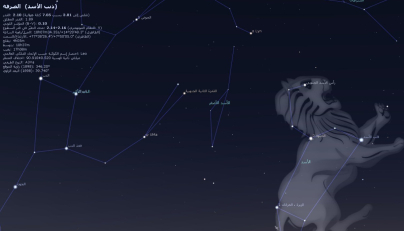
Doha, Qatar - On October 3, the Al-Sarfa star emerged, signaling the start of a 13-day transition towards milder weather, according to the Qatar Meteorology Department. As the third autumn star, Al-Sarfa traditionally marks the departure of summer's heat and the beginning of cooler conditions, especially in the early morning and evening.
The name Al-Sarfa is rooted in the Arabic term tansarif, meaning "to depart" or "turn away," reflecting the saying that summer's heat departs when Al-Sarfa rises, while its setting signals the cold's departure. Described as a bright star surrounded by others, Al-Sarfa is known among farmers as "the last star of Suhail."
Following Al-Sarfa's rise, the 13-day period is associated with beneficial rainfall, the emergence of truffles, herbs and flowers, and the start of planting winter vegetables like clover and legumes. The Qatar Center for Space Sciences and Astronomy's President, Sheikh Salman bin Jabor Al-Thani, noted that Al-Sarfa corresponds to Denebola, marking the tail of the Leo constellation.
In a social media post, the astronomer explained that the period represents a gradual shift to more moderate weather as the intense summer heat recedes. He added that the Qala'id Al-Wasmi season, traditionally beginning 55 to 60 days after Suhail, is expected to commence around this time, weather permitting.
Written by urgent.news from The Peninsula Qatar's reporting — not their text. Machine-written — may contain errors; check the original before relying on it.