5 ‘silent signs’ of high blood sugar: Doctor explains which symptoms really matter
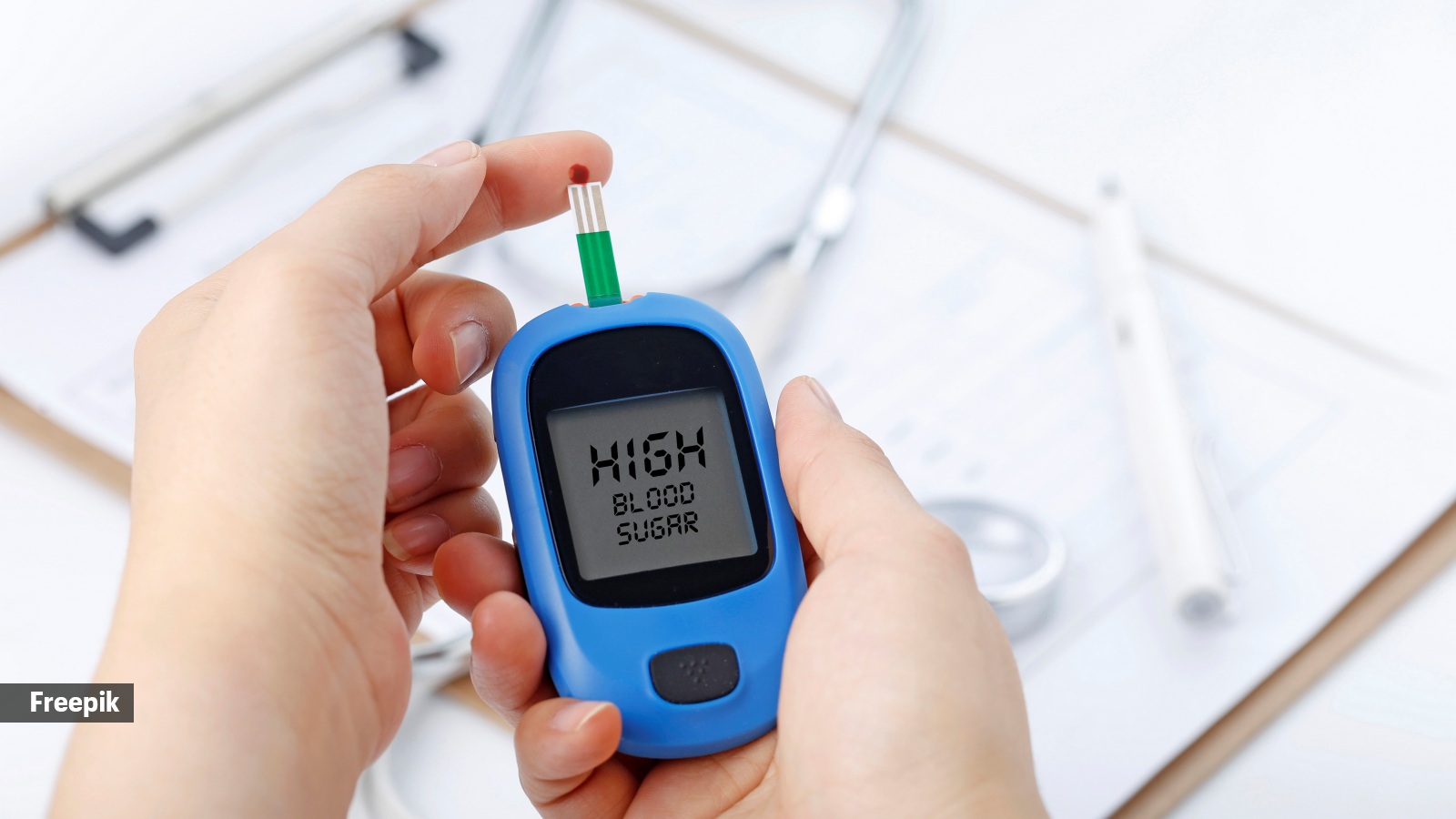
The "silent signs" of high blood sugar are often overlooked, but they can signal an issue that requires attention. Glucosegurlrami, a health and wellness educator, identified five such indicators: poor sleep, excessive thirst and urination, uncontrollable cravings, itching, and body aches or nerve pain. However, doctors caution that these symptoms are not exclusive to hyperglycaemia and should not be used for diagnosis.
Dr Himika Chawla, a Senior Consultant in Endocrinology and Diabetology at PSRI Hospital, clarifies which symptoms merit concern and when a blood sugar check is warranted. Excessive thirst and frequent urination are more closely linked to high blood sugar, particularly when they occur alongside tiredness, blurred vision, or unexplained weight loss. High blood glucose can lead to increased water loss through urine, causing heightened thirst.
Itchy or dry skin can also be a symptom of high blood sugar, often resulting from dehydration or recurrent fungal infections. However, itching can stem from various causes, such as dry skin, allergies, or other skin conditions. Sugar cravings, commonly associated with high blood sugar, are not a definitive indicator. Other factors like diet, activity levels, sleep issues, or specific medications can trigger cravings.
Poor sleep is another symptom often tied to high blood sugar, but it is not a definitive sign. Stress, lifestyle, and health conditions can all affect sleep quality. Insufficient sleep can impact insulin efficiency, but persistent tiredness does not automatically indicate diabetes. Body aches and nerve pain are not inherently tied to high blood sugar.
Over time, elevated glucose can damage nerves, leading to diabetic neuropathy, which may cause symptoms like burning, tingling, numbness, or pain, especially in the feet and hands.
To determine if blood sugar levels are elevated, a blood test is necessary. Symptoms alone are insufficient for confirmation. Regular screening is advised for individuals with risk factors, even if they feel well. Fasting blood glucose and HbA1c tests are among the methods used by doctors for diagnosis.
Written by urgent.news from The Indian Express - Lifestyle's reporting — not their text. Machine-written — may contain errors; check the original before relying on it.