36 Years Later: How United Is Germany?
On Unity Day 2026, obvious differences between east and west remain.
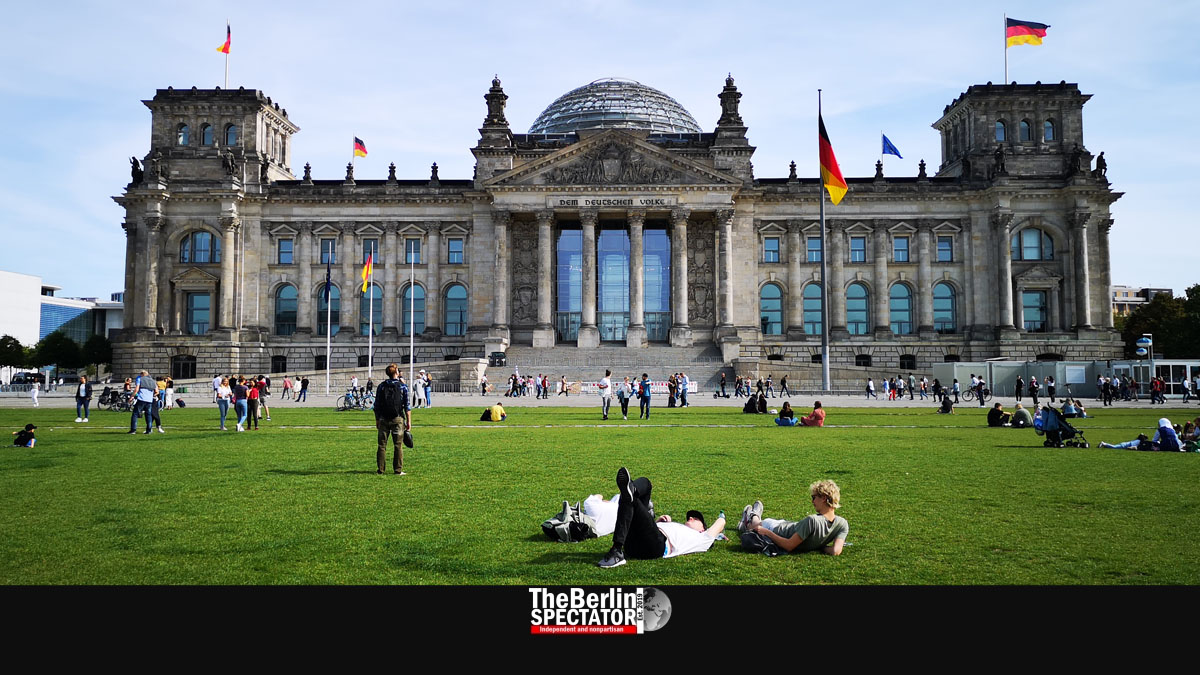
On October 3rd, 1990, Germany experienced its first anniversary of reunification, less than a year after the fall of the Berlin Wall. The East Germans had staged a non-violent, peaceful revolution seeking unity, something not initially welcomed by a portion of West Germans, particularly on the left side of the political spectrum.
However, the support of notable figures like late Chancellor Helmut Kohl, late Soviet President Mikhail Gorbachev, and late American President George Herbert Walker Bush helped bring this about. Today, 36 years later, Germans have adapted to being part of the same country again, but differences persist. In certain regions like Saxony-Anhalt and Mecklenburg-Hither Pomerania, an extremist right-wing party won state elections, marking the first time since the Nazi era. This is an East German phenomenon that appears to be spreading to the western part as well.
Current polling shows the AfD, the strongest party in Germany, is also the most prominent among eastern German states. Singer Wolf Biermann, who was expelled from the communist GDR in 1976 for his oppositional lyrics, commented on the rise of the AfD and left-wing extremism in the eastern German states, stating that those who were once too timid under the dictatorship are now rebelling against democracy.
Turning 90 on November 15th, Biermann highlights the paradox of people complaining about the comforts of the former dictatorship while finding the hardships of democracy alien.
Despite these challenges, Germany shows income growth differences between western and eastern states. The average gross income in Germany's western states was 4,961 Euro, while in eastern states, it was only 4,121 Euro. Despite the income per person in the west doubling since 1991, it quadrupled in the east, indicating Germany is moving in the right direction.
Another disparity lies in inheritance patterns, with western Germans inheriting 142.5 billion Euro last year and eastern Germans receiving 8 billion. This gap reflects the difference in opportunities for asset building due to decades of capitalism in the west versus communism in the east before reunification.
In terms of population, the western part of Germany has seen a rise in inhabitants, whereas the eastern states have experienced a decline. More than half of the people who left the eastern states for the west were women, leading to some areas having the smallest share of women compared to men in all of Europe. Satisfaction with democracy varies as well, with 76 percent of respondents in western states expressing very high satisfaction with the democratic system, compared to 65 percent in the east.
An even larger percentage, 62 percent of westerners, are satisfied with the functioning of the Federal Republic's democracy, while only 51 percent of easterners feel the same. These differences underline that while Germany has made progress in unity, there is still work to do to achieve a fully united and harmonious country.
Written by urgent.news from The Berlin Spectator's reporting — not their text. Machine-written — may contain errors; check the original before relying on it.