1 in 8 cancer cases are caused by infections, underscoring the importance of vaccines, experts say
Four pathogens account for most infection-related cancers, a new study highlights, but the tools to prevent them range from well-established vaccines to treatments still under development.
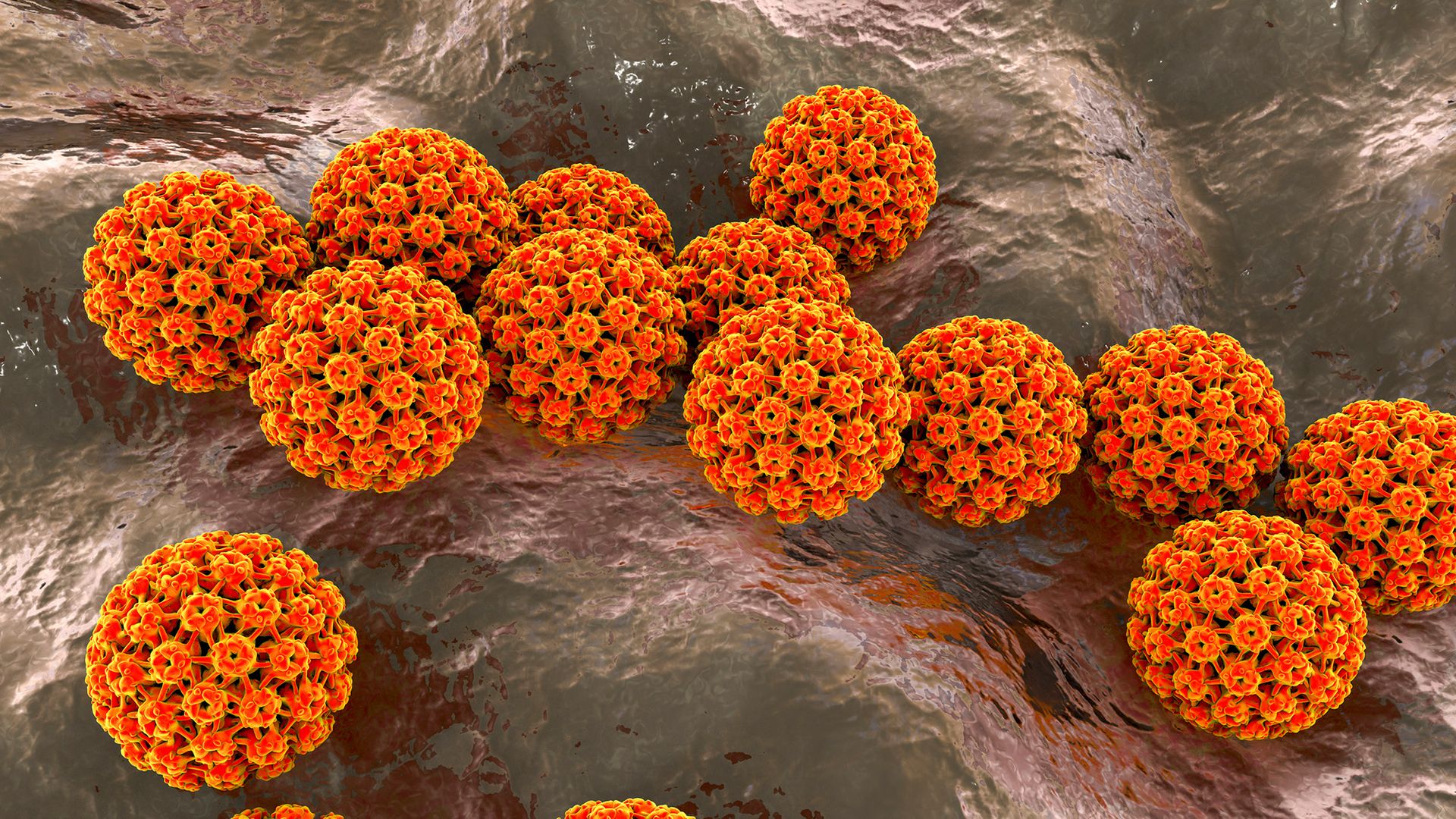
A new study published in The Lancet Oncology finds that about 1 in 8 cancer cases are caused by infections, emphasizing the importance of vaccines in reducing cancer rates. Researchers analyzed 12 cancer-causing pathogens globally, estimating that roughly 2.3 million new cancer cases in 2024 were attributable to infections, accounting for 12% of all cancer cases that year. In India, up to 60% of cancers may be preventable through infection prevention, alongside other risk factors like tobacco and alcohol use.
The study identified four pathogens responsible for 92% of infection-driven cancer cases: Helicobacter pylori (760,000 cases), human papillomavirus (750,000 cases), hepatitis B virus (360,000 cases), and Epstein-Barr virus (260,000 cases). Vaccines against HPV and hepatitis B have shown success in reducing cancer rates in wealthy nations, but low- and middle-income countries bear 77% of the global infection-driven cancer burden.
Despite the availability of effective vaccines, widespread use remains a challenge. The HPV vaccine coverage in 2024 was only 31% among eligible adolescent girls, falling short of the 90% target. Recent trials have supported a single-dose regimen for HPV, which could make mass vaccination campaigns more feasible. While an effective vaccine for Epstein-Barr virus has yet to be developed, ongoing research may lead to a vaccine that can prevent infection and treat EBV-associated cancers.
Written by urgent.news from Live Science's reporting — not their text. Machine-written — may contain errors; check the original before relying on it.