Why Washington and Tehran keep talking past each other
The Trump administration and the Iranian regime both say they prefer a diplomatic solution to the war , but a deal looks more elusive than ever. The root causes of the impasse may be irreconcilable. Why it matters: In the last 18 months, two failed rounds of negotiations have led to two wars. The June MOU collapsed within days and led to renewed escalation. If the current effort to reach a…
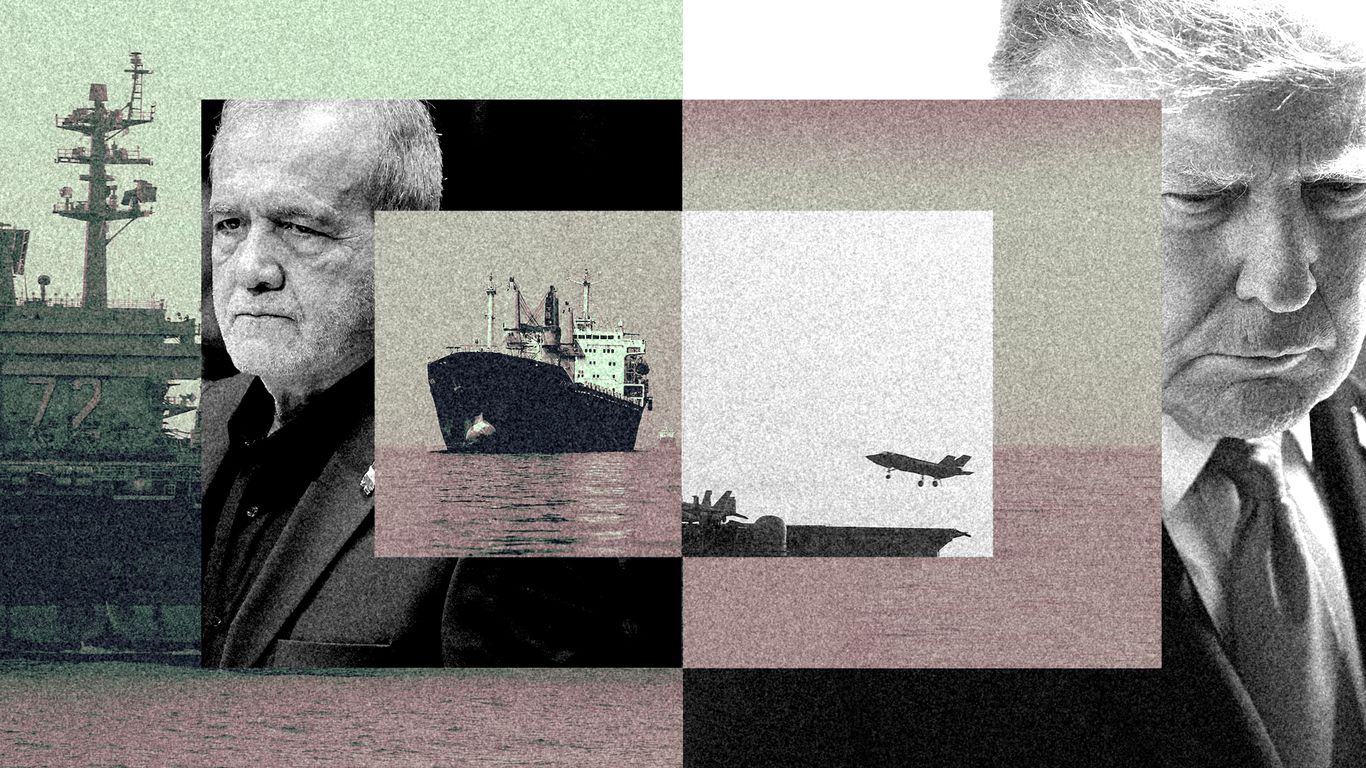
The Trump administration and the Iranian regime both express a desire for diplomatic resolution to their conflict, yet reaching a deal appears increasingly unlikely. This impasse may stem from intractable differences at the heart of their relationship. In the past 18 months, two failed negotiation rounds have culminated in two armed conflicts.
The June Memorandum of Understanding (MOU) fell apart shortly after being signed, reigniting hostilities. A forthcoming attempt to achieve a diplomatic breakthrough could similarly collapse into stalemate, potentially triggering another outbreak of hostilities within weeks.
Two key factors underpinning the diplomatic failure are differing expectations for negotiation timelines and contrasting negotiation styles. U.S. President Donald Trump favors swift, decisive outcomes, growing impatient when progress is slow. Conversely, the Iranian negotiating approach is characterized by a willingness to wait, fixated on resisting America more so than promoting Iran's own interests.
According to Karim Sadjadpour, a Carnegie Endowment analyst, Trump embodies attention-deficit disorder while Iran represents obsessive-compulsive disorder.
For instance, Trump set an unrealistic 60-day deadline for negotiations in April 2025. The Iranians, however, viewed the talks as a prolonged process and failed to take the deadline seriously, as they doubted its sincerity. A mere three weeks of negotiations in February of this year offered scant prospects of sealing a deal. Trump yearns for a grand, theatrical deal that reshapes U.S.-Iran relations and the broader Middle East, whereas Iran prefers a limited, discreet agreement viewed as a truce rather than a peace treaty.
Trump and his team view themselves as skillful negotiators, but the Iranian leadership never contemplates direct talks with Trump, fearing he could be plotting a surprise attack.
A major impediment to progress is mutual mistrust. Iran accuses Trump of violating previous agreements after attacking them during negotiations. Meanwhile, the U.S. contends Iran breached the June MOU by attacking vessels in the Strait of Hormuz shortly after signing the deal. U.S. officials question the reliability of Iran's Revolutionary Guard Corps and other hardliners in adhering to any negotiated terms.
Domestic pressures further complicate negotiations. Iranian negotiators face severe domestic criticism, while President Donald Trump and his negotiators endure pressure from the right to refrain from concessions and mockery from the left for potentially accepting a deal that restores pre-war conditions or resembles Obama's 2015 nuclear deal.
Despite ongoing negotiations, White House envoys Steve Witkoff and Jared Kushner, along with Vice President Kamala Harris, remain committed to diplomacy. However, Trump voices skepticism, stating that Iran's proposals fall short of his expectations. He has indicated a potential resumption of major combat operations post the midterm elections.
Iranian President Masoud Pezeshkian underscored the regime's commitment to dialogue, despite the U.S. repeatedly targeting Iran. Nonetheless, certain Iranian officials, particularly within the Islamic Revolutionary Guard Corps, view negotiations as futile and prioritize inflicting further battlefield costs on the enemy.
Written by urgent.news from Axios's reporting — not their text. Machine-written — may contain errors; check the original before relying on it.