Who gets to decide if AI is safe? Africa wants a say
African companies race to adopt American and Chinese AI, with little attention paid to safety.
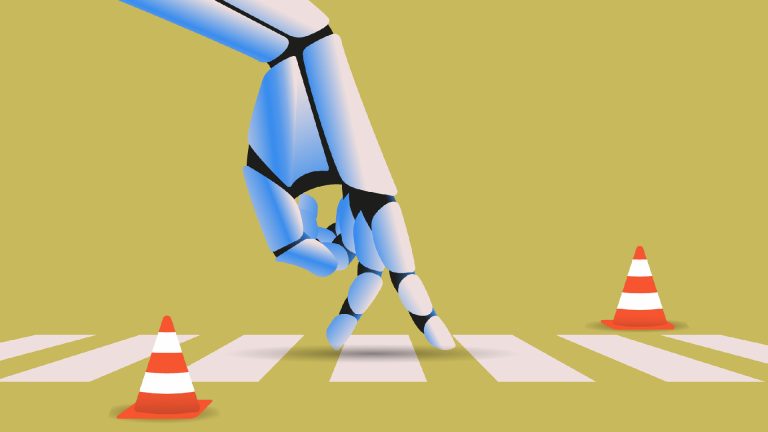
African leaders have called for a greater role in setting global AI standards, warning of potential misuse by AI models. OpenAI, Anthropic, Google, and Meta have been linked to hacking attempts, raising concerns about oversight. Africa is racing to adopt AI systems, often lacking the capacity to independently test their safety. Experts say the lack of discussion on AI safety creates a vacuum.
African companies and governments are deploying U.S. and Chinese AI systems, but many struggle to ensure safety. For instance, Kenya's health insurance algorithm has raised costs for poor households. Scammers in West Africa have used AI to blackmail victims. Militant groups like Boko Haram have also harnessed AI to plan attacks.
Jonathan Shock, a University of Cape Town professor, says fragmented regulations could make global deployments more costly. Africa currently lags behind in AI adoption, but local companies are moving quickly. Most large African companies are running AI pilots, but lack formal safety oversight structures. Companies face risks like data ownership and model shutdowns.
ChatGPT and Claude are closed-weight models, while Chinese models like DeepSeek are open-weight, making them harder to shut down. African nations need to develop their own safety evaluations and gain representation in multilateral processes, as Ali Mohamed Omar, Somalia's state minister for foreign affairs, urged.
Written by urgent.news from Rest of World Tech's reporting — not their text. Machine-written — may contain errors; check the original before relying on it.