What Martin Luther King Jr.'s Granddaughter's First Vote Is Up Against
“The same forces that worked to keep marginalized groups from the ballot when Dr. King was alive are not gone,” write Martin Luther King III and Arndrea Waters King.
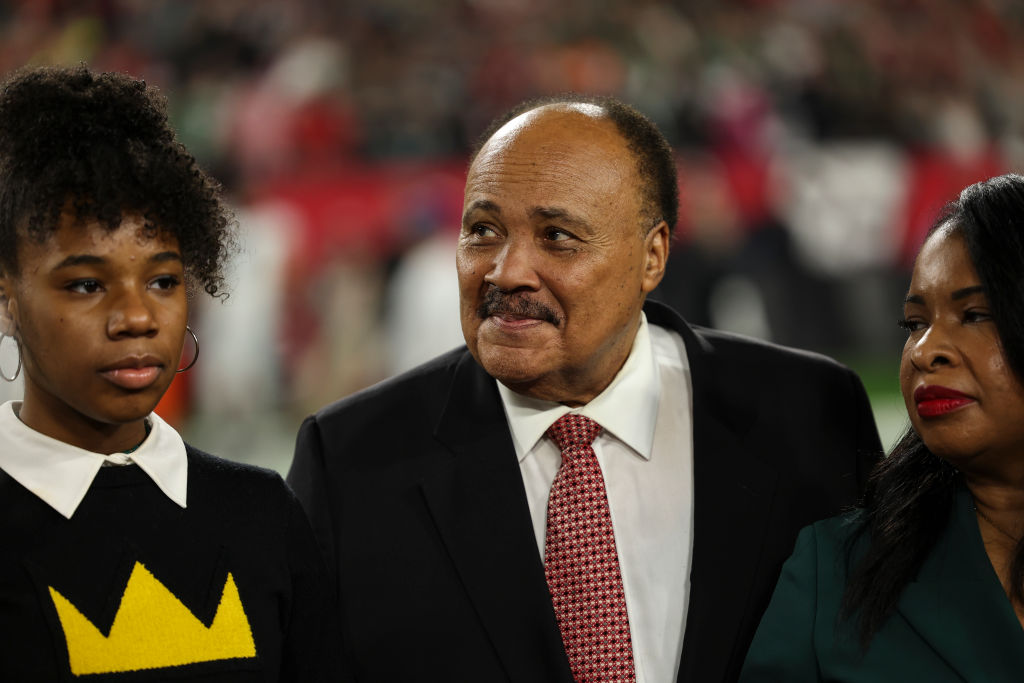
Yolanda Renee King, the 18-year-old granddaughter of Martin Luther King Jr., will exercise her right to vote for the very first time on January 15, 2024. This monumental moment comes as the current administration makes efforts to challenge and revise the voting rights that previous generations have fought to secure. Young people, women, and marginalized communities are at the forefront of this ongoing battle, with President Donald Trump leading the charge against these rights.
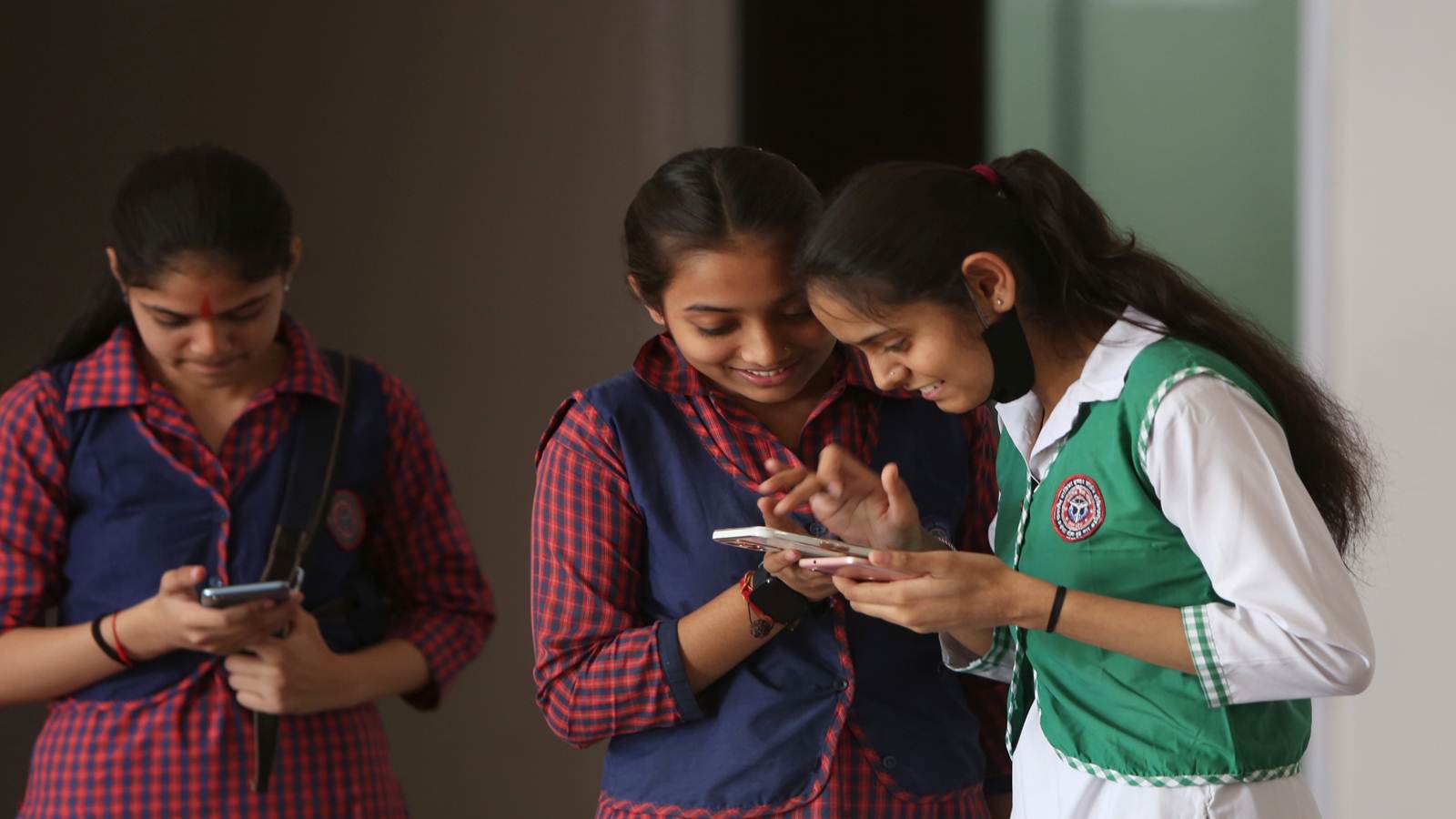
One of the key issues facing young voters like Yolanda is the potential changes to voter eligibility verification and mail-in ballot handling. These changes could create additional obstacles for college students who rely on mail ballots, including Yolanda who has moved from Georgia to attend college in New York. Furthermore, the SAVE America Act, which passed the House of Representatives in February, would require documented proof of citizenship, such as a U.S. passport or birth certificate, to register to vote.
This could prove challenging for people whose current legal names differ from their citizenship documents, like married individuals who have changed their names.
Yolanda's parents have always emphasized her autonomy, particularly over her own body. As such, they are deeply troubled by the growing number of state laws that could potentially impact women's reproductive rights. This growing threat to bodily autonomy is just another example of the continued fight against the oppression that Dr. Martin Luther King Jr. fought so relentlessly for in his time.
For Yolanda and her generation, the fight for freedom is not a one-time event but rather a continuous process of reimagining and evolving.
As a nation, we are weary and exhausted from the constant struggle to restore rights that were already won by our mothers and fathers. However, exhaustion is not defeat; rather, it is a signal to recalibrate and understand our opposition. The same forces that sought to disenfranchise marginalized groups during the time of Dr. King are still present, merely repurposed.
They are not defeated, and neither are we. We are the "Beloved Community" that Dr. King envisioned, and together, we will continue to fight for our future, our children, and Yolanda's right to vote.
Written by urgent.news from Time's reporting — not their text. Machine-written — may contain errors; check the original before relying on it.