What does Philippines seek with new Thitu map in South China Sea?
Thitu Island and its residents have come under the spotlight after the Philippines, in a bid to reinforce its claims in the South China Sea, announced plans to file an updated maritime chart with the United Nations. Observers say the filing would not establish Philippine sovereignty but could help Manila identify and challenge competing claims in more precise legal terms. More than just a…
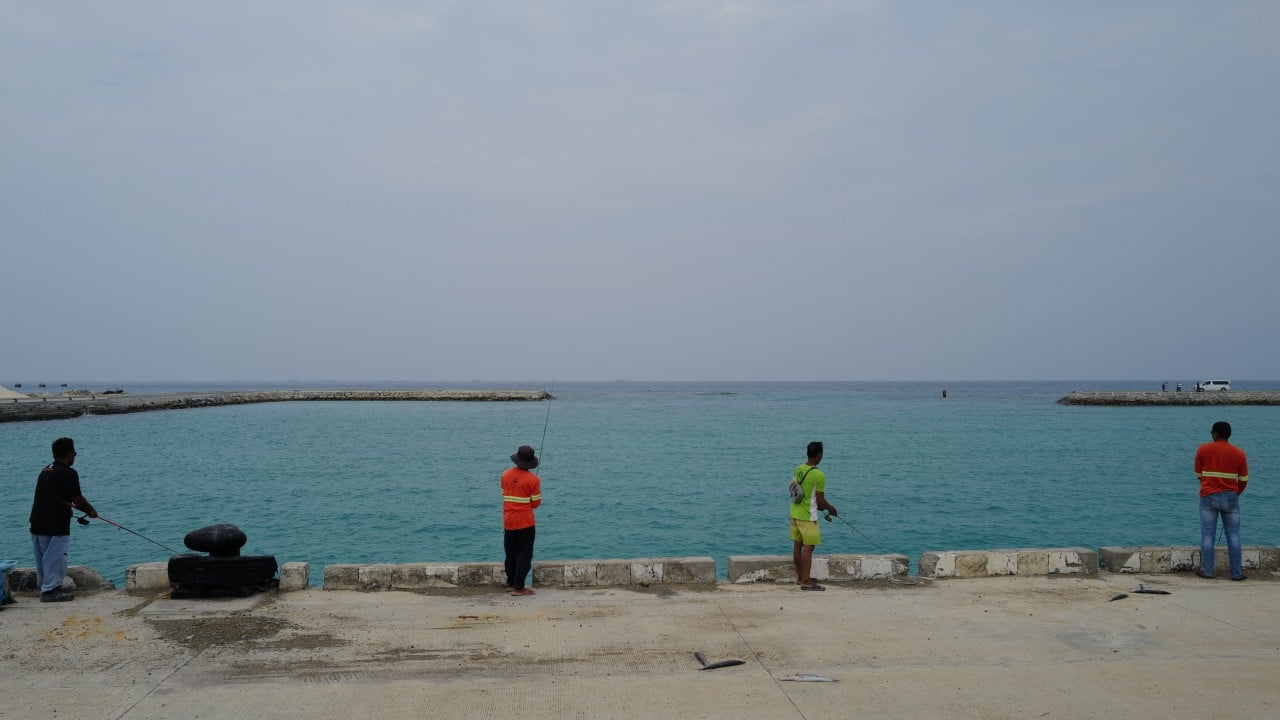
The Philippines has announced plans to file an updated maritime chart with the United Nations to reinforce its claims in the South China Sea. The map, which focuses on Thitu Island, also known as Pagasa, aims to provide precise legal documentation of the government's presence and sovereignty over the island and surrounding areas.
Thitu, located about 480 km west of Palawan, has a population of around 100 families. President Andres Centino emphasized that the map included details about water depths, island contours, and features like those above water during high tide. China claims the island, known as Zhongye Dao, as part of its Nansha island group, or the Spratly Islands, and rejects the 2016 arbitral ruling that found no legal basis for China's claims.
Chinese coastguard, maritime militia, and research ships have been observed near Thitu, leading to tensions between the two nations. The Philippine government is also strengthening its physical presence on the island, including the extension of an airstrip and the construction of various facilities. Despite the uncertainty, residents like Evelyn Grenanda and Gemelyn Amlang express mixed feelings about staying on the island.
The move to file the updated chart with the UN is seen as a step towards legal clarification and international notification under the UN Convention on the Law of the Sea, which could potentially narrow ambiguity and strengthen Manila's position in the dispute.
Written by urgent.news from South China Morning Post's reporting — not their text. Machine-written — may contain errors; check the original before relying on it.