‘We don’t want to be a policeman of the Internet’: How a John McPhee student turned GPTZero into a $30 million AI-detection business
Edward Tian and Alex Cui are happy to be "the Splash Brothers of anti-AI slop," but they aren't really against using AI to write things.
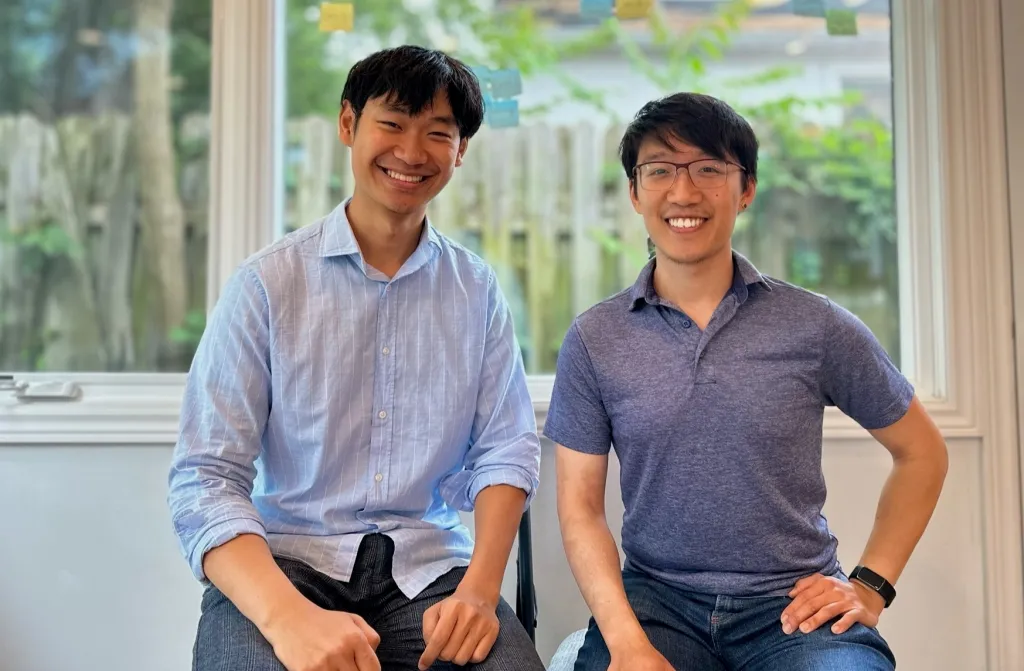
Edward Tian, a Princeton student with a background in journalism and computer science, built GPTZero over winter break when ChatGPT gained mainstream attention. Within a week, the site became overwhelmed with 30,000 users seeking to detect the presence of AI-generated content in online writing. Fast forward to 2024, and GPTZero boasts over 20 million registered users and has been acquired by Superhuman, the productivity company formerly known as Grammarly, for a deal valued at over $30 million.
Tian and his co-founder, Alex Cui, who were once close friends from high school, now lead a "authenticity" team at Superhuman focused on integrating GPTZero's detection technology into their products.
This wasn't Tian's original plan; he had always aspired to be a journalist. During his senior year at Princeton, Tian worked with investigators at Bellingcat and spent time on the BBC Eye Investigations team, where he learned firsthand about investigative journalism. Before joining Superhuman, Tian had even been accepted to a fellowship at the New York Times' visual investigations team.
Reflecting on his experience, Tian expressed that he would have been content working at the Times or in data investigations. He had studied under John McPhee, a renowned New Yorker staff writer and Pulitzer Prize winner, who influenced his approach to AI detection. McPhee emphasized the importance of process, encouraging writers to revise and refine their work through multiple drafts.
This philosophy inspired Tian's thinking on AI detection as an "initial response" and a "band-aid" solution to larger questions about writing.
Cui, the company's CTO and director of engineering, has been involved in trust and integrity online since his undergraduate years. He co-founded Open Mind, a browser extension aimed at combating fake news, in 2017, just before the 2016 presidential election. Open Mind aimed to show readers perspectives that challenged the information they consumed online.
Although the project did not achieve lasting success, Cui's experience from that time motivated him to create GPTZero, which has since become a significant player in the ongoing debate around AI-generated content.
Written by urgent.news from Fortune's reporting — not their text. Machine-written — may contain errors; check the original before relying on it.