Watching Egypt's 2027 Oscars entry made me rethink my family's history
I was eight when I first learnt about the October 6 War, Egypt’s great triumph in modern history, fought in 1973. My father – baba as I call him – spoke about it with so much pride. I can still see the smile on his face. Gedo, my grandfather, gave me fragments of what he remembered from his time as a mechanical engineer working on the BM-21 Grad rocket launchers. Every year, around the…
In 1973, Egypt achieved a significant victory in modern history during the October 6 War. My father, whom I call baba, spoke of this triumph with pride, and I vividly remember his smile. Gedo, my grandfather, shared fragments of his experiences as a mechanical engineer working on BM-21 Grad rocket launchers during that time. Every year, around the anniversary of the war, my Arabic teacher would assign an essay about the triumph. We were taught to write about victory before fully grasping its significance.
Later, in high school, my history professor challenged this portrayal. His accounts, which diverged from the commonly accepted history, infuriated my classmates. They saw his efforts as an intrusion into something deeply personal rather than an opportunity for contemplation.
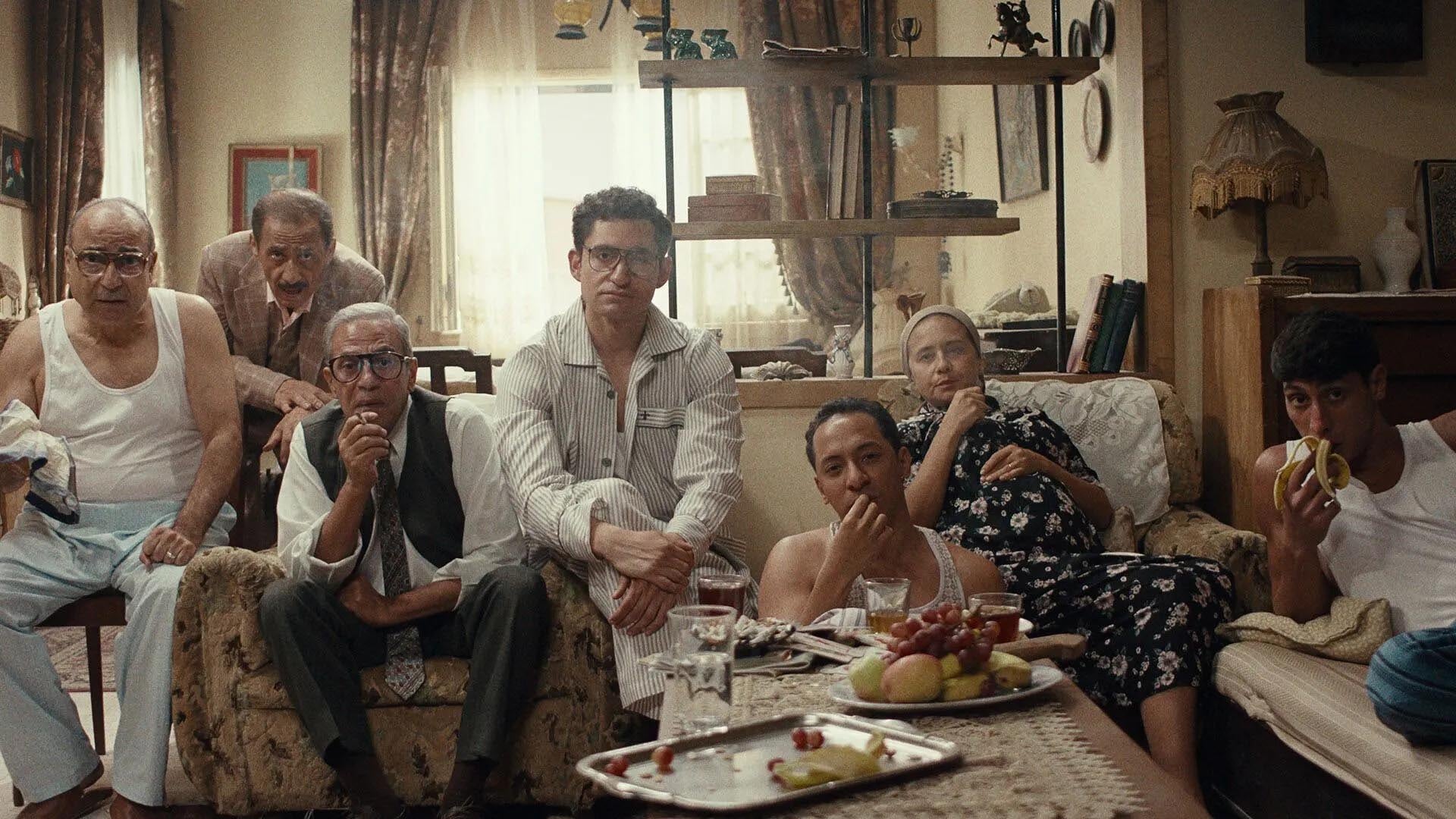
Years later, I encountered actor Amir El-Masry at an Egyptian restaurant in Cairo’s affluent Zamalek district. I had followed his career since his role as a young Mohamed Al-Fayed in The Crown. When Egypt’s 2027 Oscars submission, The Stories, was released, I was eager to watch it. This semi-autobiographical drama, directed by Abu Bakr Shawky, delves into the tumultuous world of Ahmed, played by El-Masry, an aspiring pianist navigating Egypt’s shifting political landscape from the late 1960s to the 1980s.
The film intertwines Ahmed's personal story with the ever-present backdrop of Cairo. It explores the complexities of love, loss, and the everyday struggles that define a family's journey through time. While it does not delve into major plot twists or heroic revelations, it focuses on the intricate details of daily life, the heartbreak of losing a loved one, and the aspirations that often go unacknowledged in history textbooks.
Watching The Stories prompted a deeper reflection on my own family’s history. I realized that I had never asked my grandfather Gedo about the emotional toll of leaving his wife and toddler to serve in the war. I had never inquired about my grandmother’s experiences when she fled her hometown of Suez in 1967, the year of the Six-Day War with Israel. My questions had focused solely on the broader narrative of the war and its outcomes, overlooking the personal stories and emotions of those who lived through it.
The film served as a poignant reminder that the history of a nation, while important, is incomplete without the personal narratives of the individuals who experienced it. It prompted me to look beyond the dates and battles, to understand the people who lived through these significant events and the impact on their lives. In doing so, I came to appreciate the depth and richness of history that lies in the everyday lives of ordinary people.
Written by urgent.news from The National Business's reporting — not their text. Machine-written — may contain errors; check the original before relying on it.
Also reported by 1 other outlet
- Watching Egypt's 2027 Oscars entry made me rethink my family's history thenationalnews.com