Washington should pay attention to the new Ukrainian robotic counteroffensive
Imagine heavy drones flying 15 to 20 kilometers (approximately 9.3 to 12.4 miles) deep into enemy rear positions and then deploying unmanned ground vehicles, or UGVs (unmanned ground vehicles), essentially robots, that drive even deeper into the rear. There, in areas the enemy considers relatively safe and calm, these robots can destroy Russian logistics, strike dugouts, eliminate military…
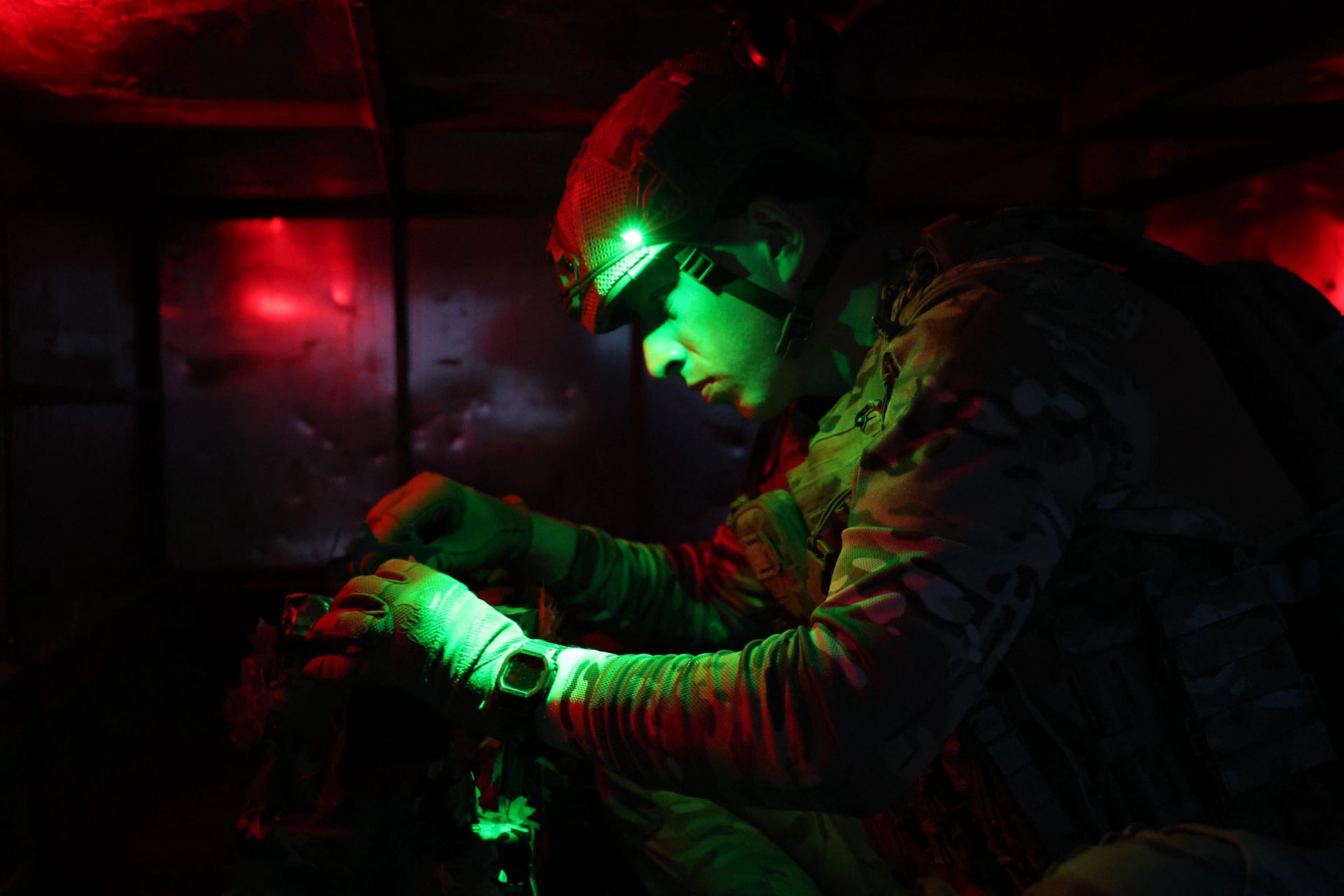
The Ukrainian military is employing a groundbreaking robotic counteroffensive, using drones and unmanned ground vehicles (UGVs) to launch attacks deep into enemy territory. These robots can strike enemy logistics, targets, and even capture prisoners, all while transmitting live video and audio of the battlefield. This tactic, known as Gryphon, was first successfully used in January 2026 and has since been employed in Operation Vivaldi, which has retaken 176 square kilometers of Ukrainian territory.
The Third Army Corps, which operates NC13, a strike UGV unit, has conducted over 100 successful operations using these robotic systems. According to NC13 Commander Mykola Zinkevych, these UGVs have handled 80% of logistics and 90% of casualty evacuations during the most recent phase of the operation. Russian forces have suffered significant casualties, with more than 5,000 killed and wounded during the first three phases, and an additional 2,000 during the latest phase.
The innovative use of robotic systems in Ukraine's military operations could offer valuable lessons to Western allies and the broader international community, potentially shaping future global security strategies and defense capabilities.
Written by urgent.news from Kyiv Independent's reporting — not their text. Machine-written — may contain errors; check the original before relying on it.