Valve's patch note supremacy
The king of patch notes reclaims its throne.
The latest patch for the game Deadlock has captured the attention of players with its visually appealing map redesign, introduction of new heroes, and a host of quality-of-life enhancements. However, for those who spend considerable time analyzing the patch notes, the real highlight lies within the meticulously crafted content.
Valve has a storied tradition of presenting patch notes in a visually engaging manner, and the Deadlock update continues this legacy with a design that feels like a tourism brochure for the game's revitalized New York City. The notes guide readers through virtual tours of the four primary districts—Chinatown, Theater, Haunted Lot, and Plaza—combining in-game storytelling with technical explanations. The style is lighthearted, with Valve's trademark humor keeping readers from taking the material too seriously.
The page layout includes dotted lines leading to new points of interest, maintaining the thematic connection to the map itself. Additionally, the notes are adorned with custom artwork reflecting the new items and mechanics exclusive to the update. Valve's attention to detail is evident in every aspect of the presentation, making the patch notes a noteworthy part of the overall experience.
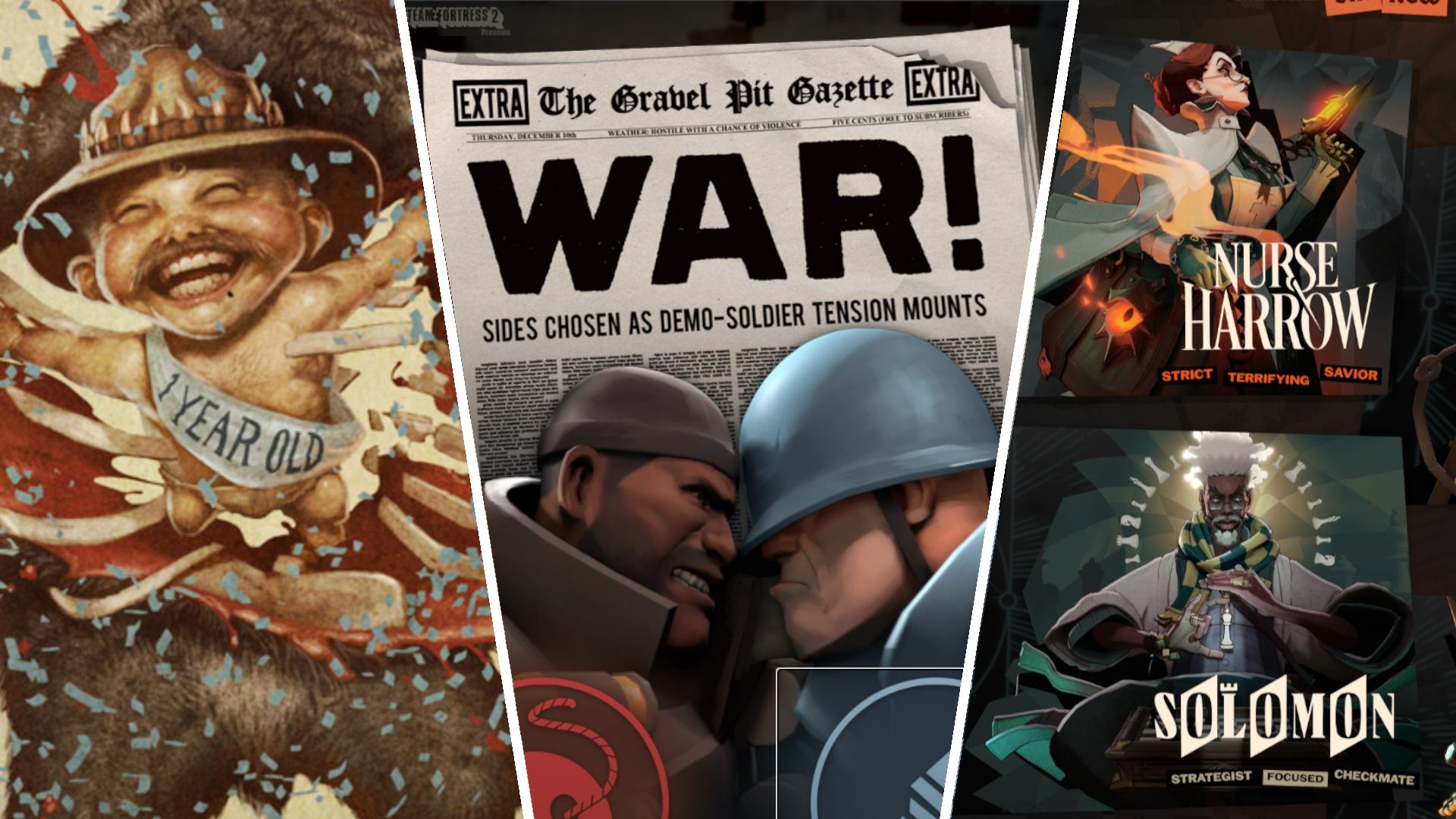
This dedication to quality is reflective of Valve's golden age of patch notes. The company began setting the standard for storytelling in multiplayer shooters with Team Fortress 2, notably through the WAR! Update in 2009. This update not only introduced new items and modes but also told stories that placed characters in conflict, adding depth to the already established multiplayer maps.
Valve's approach was ahead of its time, pioneering the concept of post-launch updates that went beyond mere item drops, instead weaving narratives that connected the characters and maps.
The patch notes themselves became a celebrated feature, often presented with distinctive layouts, color schemes, and even comic book elements. For instance, the Scout Update in 2009 showcased the Force-A-Nature scattergun in a department store catalog, while the Mac Update in 2010 adopted a minimalist, Apple-inspired design. Valve's willingness to experiment with formats and content demonstrated a confidence in their direction that was both unique and effective.
While modern studios often focus on formulaic content updates, Valve's history has been marked by a willingness to take risks and innovate. From live-tracking the kills between specific classes to introducing crafting systems and thematic rebrands, the studio demonstrated a dynamic approach to game development. Even during periods of controversy, such as their use of paid hats and loot boxes, Valve maintained a sense of humor and self-awareness, as seen in the subsequent Hatless Update.
In the case of Deadlock, Valve's commitment to delivering a polished and engaging patch note experience echoes the company's past successes. The company's ability to blend technical information with creative presentation ensures that players not only stay informed about updates but also enjoy the process of discovery.
Written by urgent.news from PC Gamer's reporting — not their text. Machine-written — may contain errors; check the original before relying on it.