‘They were killing him on Facebook’: Vaccine misinformation rattles Philippine parents
MANILA, Oct 3 — When Jenette Torres Odena’s three-year-old son fell ill days after receiving a jab as part o...
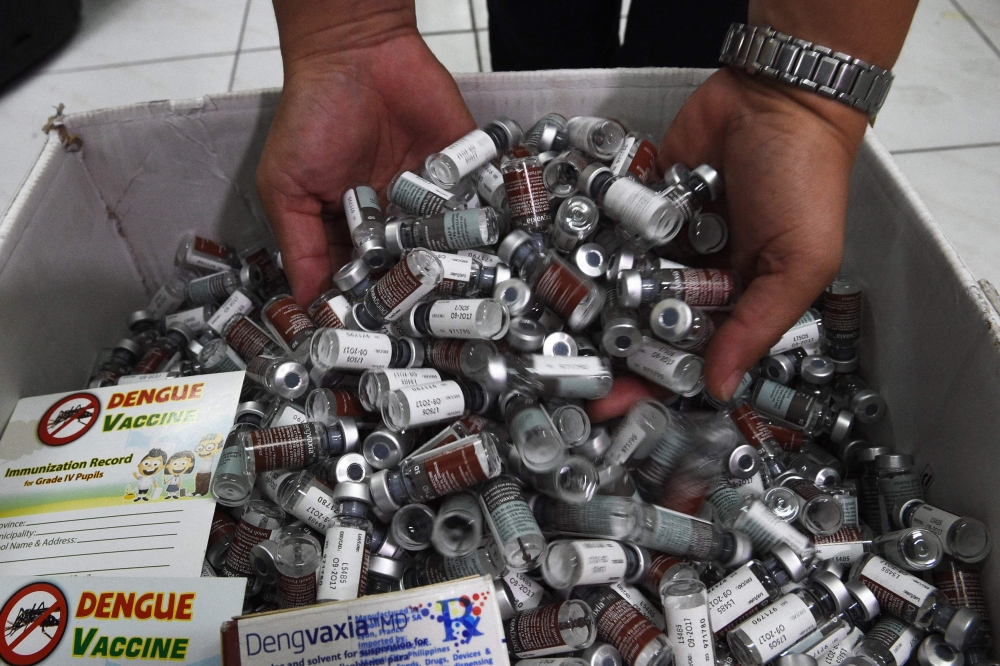
Three-year-old Jenette Torres Odena's son fell ill shortly after receiving a measles-rubella vaccine during a Philippine vaccination drive, leading to the circulation of a photograph on Facebook accompanied by claims of the jab's lethal effects. Despite doctors finding no link between the vaccine and his condition, the image soon appeared in anti-vaccine videos viewed by hundreds of thousands.
The misinformation campaign followed a wave of vaccine hesitancy during the year, with 230,000 Filipinos declining the inoculation. The Department of Health attributed 66% of refusals to concerns about side effects and held social media influencers responsible for spreading misinformation. The Philippines has faced challenges in restoring routine childhood immunisation rates due to a decline in coverage that led to a polio resurgence and recurring measles outbreaks.
Health communication researcher Daniel Fritz Silvallana from Deakin University noted that vaccine hesitancy in the Philippines is also tied to trust issues and previous experiences with vaccination and public health institutions. In response to the viral Facebook post, content creator Maharani Sona Shiloh created a video that paired the boy's photo with a picture of US President Donald Trump, labeling it "Everyday slaughter".
While Shiloh described herself as a human rights advocate and rejected accusations of spreading harmful misinformation, she claimed vaccines contained harmful substances and warned of depopulation plots. Vaccine hesitancy, according to vaccinologist Helen Petousis-Harris, often relies on fear and misconceptions, leading to exaggerated claims about vaccine ingredients and adverse effects.
Philippine health workers on the frontlines have faced hostility from parents skeptical about vaccines after watching such videos, with some threatening to remove vaccines from their children's bodies. Rebuilding trust with these individuals will require patience and open, non-judgmental conversations, health workers emphasized, rather than dismissing them as uninformed or hostile.
Written by urgent.news from Malay Mail's reporting — not their text. Machine-written — may contain errors; check the original before relying on it.