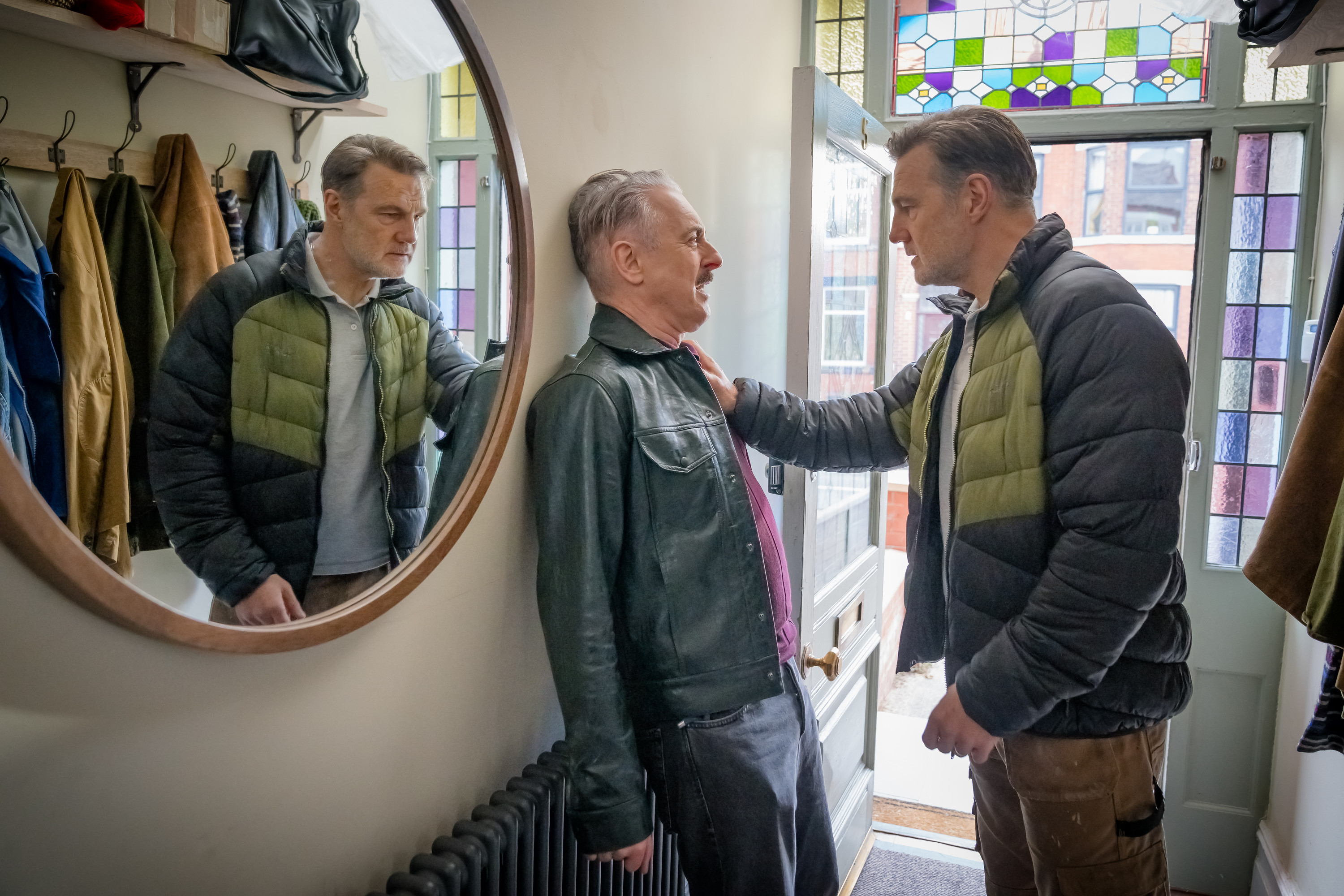
The True Story Behind Iraq War Reconciliation Drama Atonement
A decade after an Iraqi family was caught in a firefight, a U.S. marine sought the surviving members' forgiveness.
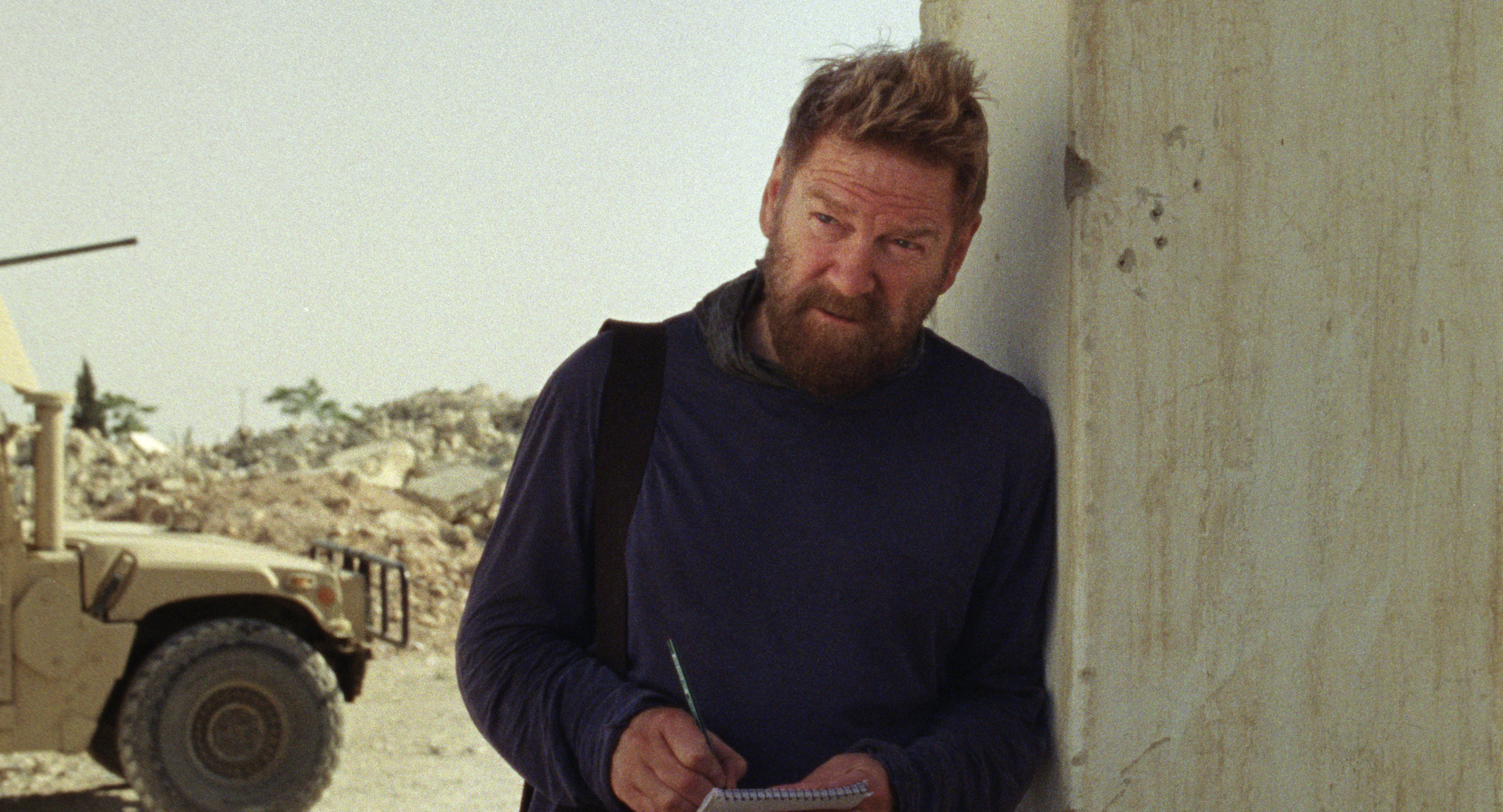
In April 2003, a family in Baghdad found themselves caught in a firefight between U.S. Marines and Iraqi forces. The civilians watching were Margaret and her husband James, along with their sons Nicolas and Edmund, who tragically lost their lives in the crossfire. Nearly a decade later, in 2012, the two surviving women, Margaret and her daughter Nora, settled in Glendale, California. They reached out to one of the Marines, Lu Lobello, who had opened fire on them, seeking forgiveness for the loss of their loved ones.
Journalist Dexter Filkins chronicled this encounter in the 2012 New Yorker article titled "Atonement After Iraq." Filkins introduced the story to filmmaker Reed Van Dyk, who was inspired by the emotional impact of the incident on the family's lives. Van Dyk found the narrative compelling enough to adapt it into a two-hour film, titled "Atonement."
The film focuses on the real-life meeting between Lobello, played by Boyd Holbrook, and the Kachadoorian family, portrayed by Hiam Abbass and Maribel Verdú. Filkins, who had previously reported on the Kachadoorians, facilitated the meeting after initially reaching out to them via Facebook in March 2012. Despite the tragic nature of the event, the family was open to meeting Lobello and granting him forgiveness.
The director, Reed Van Dyk, aimed to explore the humanity of all parties involved in the story, not just from the American perspective. He sought to showcase the Iraqi family's side of the story, challenging the common portrayal of Iraqi characters in Western war films. The film does not depict extensive scenes of war on screen, instead using a single event as a backdrop to delve into the aftermath of conflict and the potential for healing and reconciliation.
Written by urgent.news from Time's reporting — not their text. Machine-written — may contain errors; check the original before relying on it.