‘The TPU film isn't melting, it’s the tiny joint between plastic and metal that is deforming’: How to avoid electric pump and TPU tube incompatibility leaving you stranded
They’re two of cycling’s biggest tech trends, but reports of electric pumps damaging TPU tubes – or even melting their delicate valves – raise concerns
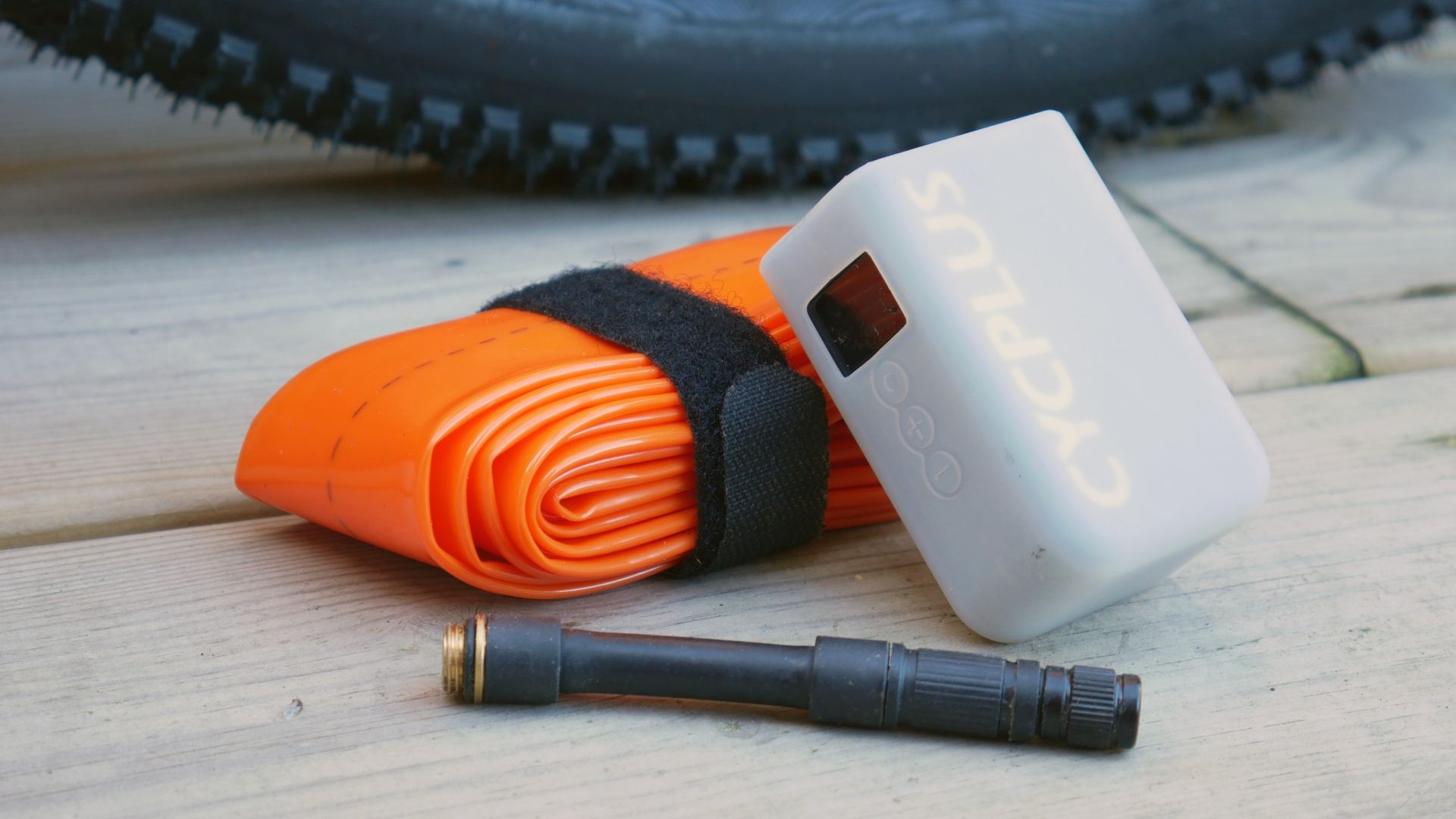
TPU tubes have gained popularity as a lightweight and durable alternative to traditional butyl rubber inner tubes. However, electric pumps can cause problems with TPU tubes due to heat generation during rapid air compression. This heat can deform the tiny joint between the plastic valve and metal, leading to failures. Both TPU and butyl tubes are thermally extruded, but TPU has a higher melting point.
The issue lies in the bond between the metal valve core and TPU material, which can break under thermal stress. To prevent this, TPU manufacturers recommend using flexible hose extenders or inflating in short bursts with time in between. Manufacturers haven't adopted metal valves due to bonding challenges and perceived benefits of plastic.
Aeron and Rene Herse have moved towards metal valves in their TPU tubes. The future of TPU inner tubes depends on tubeless development and potential collaborations between tire and inner tube brands.
Written by urgent.news from Cycling Weekly's reporting — not their text. Machine-written — may contain errors; check the original before relying on it.