The penny is making a comeback. Just don’t try to spend it
The last pennies for general circulation were minted last year , but a newly passed bipartisan bill to formally sunset the 1-cent coin includes a single clause that keeps the penny alive, even if it’s just as a collectible. On September 28, the Senate voted to pass the Common Cents Act by unanimous consent, and the bill now heads to President Donald Trump’s desk. The legislation formally asks the…
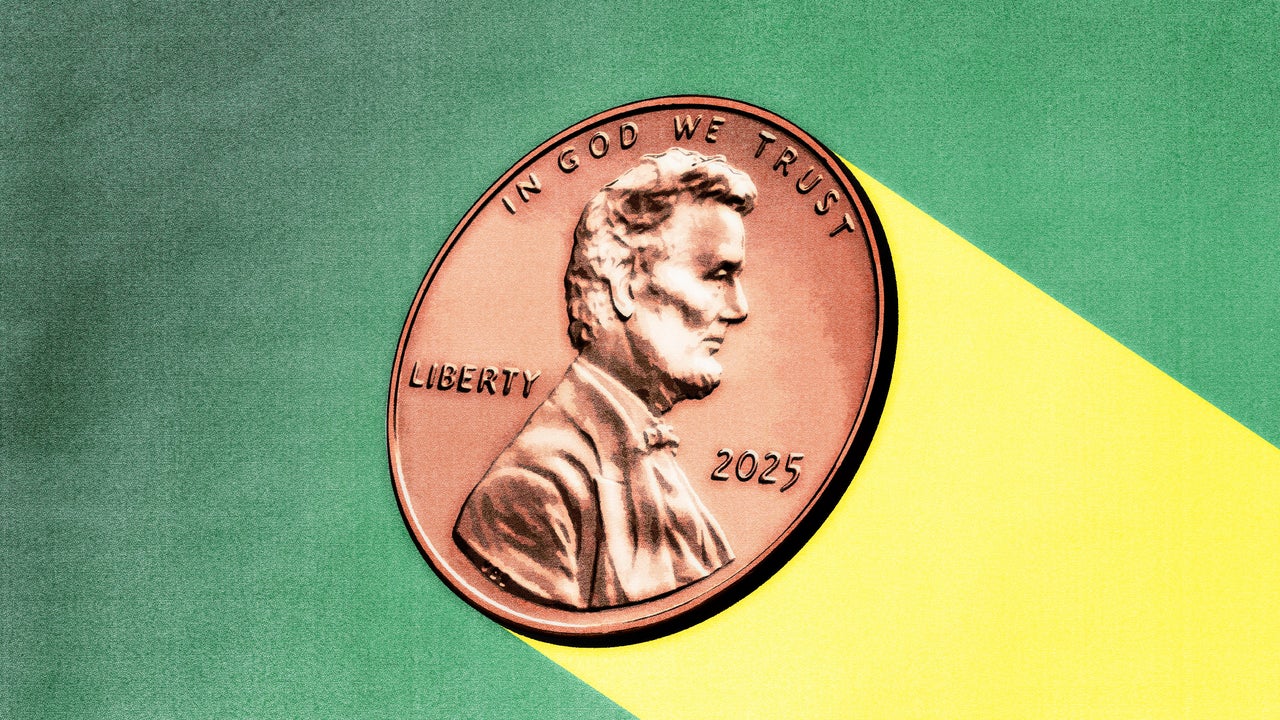
Penny collectors may rejoice after a newly passed bipartisan bill secures the 1-cent coin's existence as a legal collectible item. The Common Cents Act, which passed unanimously in the Senate last month, requests Treasury Secretary to stop minting pennies but allows one cent coins to be produced for sale as numismatic items. This includes the possibility of special commemorative pennies being minted for sale, although the Treasury has not announced any plans to do so.
The law also requires that transactions be rounded to the nearest nickel when exact change cannot be provided. Pennies produced before the Common Cents Act becomes law remain valid tender, but the U.S. Mint will no longer be able to mint new pennies. The legislation does, however, allow for the possibility of special commemorative coins, which are legal tender but rarely used as everyday change.
The first commemorative penny was the 1892 Columbian Exposition half-dollar, and the modern program began in 1982, raising over $500 million for various causes since then.
Written by urgent.news from Fast Company's reporting — not their text. Machine-written — may contain errors; check the original before relying on it.