The Ongoing History of New Music, episode 1088: A timeline of technological advances in music
Every once in a while, a technological advance comes along that changed EVERYTHING about music.
The Ongoing History of New Music, episode 1088: A timeline of technological advances in music
Technology has always played a significant role in shaping the world of music, with advancements in science and music influencing each other over the centuries. From vinyl records to digital streaming, the evolution of music technology has opened up new creative possibilities and expanded the boundaries of artistic expression.
1. Vinyl records: Invented in the late 19th century, vinyl records were the first widely available format for storing and distributing recorded music. They allowed for high-quality sound reproduction, becoming the dominant format for music consumption until the late 20th century.
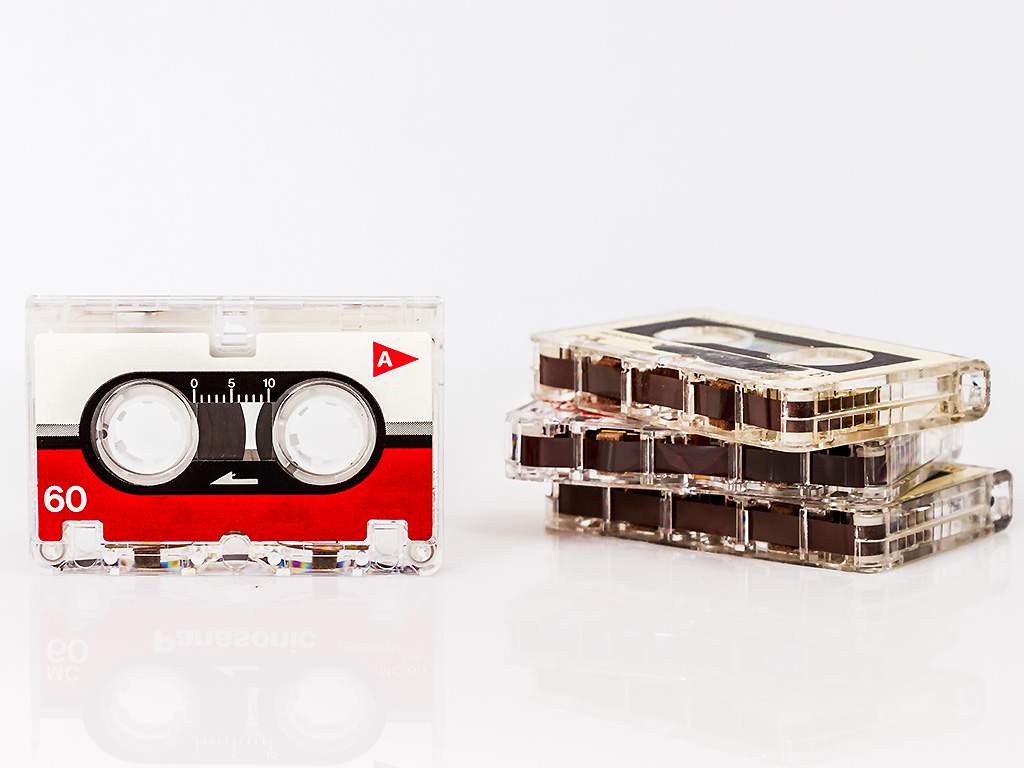
2. Magnetic tape: Developed in the 1930s, magnetic tape revolutionized the way music was recorded and produced. It offered improved sound fidelity and greater flexibility in editing and manipulating recordings, paving the way for the development of more complex recording techniques and studio setups.
3. Compact Disc (CD): Introduced in the early 1980s, CDs offered a significant improvement in sound quality compared to vinyl records and magnetic tape. They became the go-to format for music distribution, thanks to their durability, ease of use, and high-quality audio reproduction.
4. Digital audio: As digital technology advanced in the late 20th century, digital audio became increasingly popular. This format allowed for more efficient storage and manipulation of music, eventually leading to the widespread adoption of digital formats like MP3 and lossless audio codecs.
5. MP3: Developed in the mid-1980s, the MP3 format compressed audio files without significantly compromising sound quality. It made digital music more accessible and convenient, paving the way for widespread digital music distribution and the emergence of online music stores.
6. Streaming services: With the rise of high-speed internet in the early 2000s, streaming services like Napster and later Spotify and Apple Music emerged, allowing users to access vast libraries of music anytime and anywhere. Streaming has reshaped the music industry, disrupting traditional sales models and creating new opportunities for artists and listeners alike.
7. Digital audio workstations (DAWs): Software-based DAWs have transformed music production, enabling musicians to create, record, edit, and mix music on their computers. DAWs have democratized music production, making it possible for anyone with a computer and an internet connection to produce professional-sounding tracks without needing expensive studio equipment.
These technological advances have not only changed the way music is created, produced, and consumed but have also expanded the possibilities for musical expression, pushing the boundaries of what is possible in the world of music. As technology continues to evolve, it is clear that it will remain an integral part of the ever-evolving landscape of music.
Written by urgent.news from Global News's reporting — not their text. Machine-written — may contain errors; check the original before relying on it.