The nays have it: Palestinian musician uses ancient flute to campaign for recognition of Arab classical music
Palestinian musician Faris Ishaq wants classical music education to be expanded to include more global traditions. He would also like to see Arabic music better represented in the classical music repertoire – in the same way as jazz has come to include global movements and fusions inspired by the American genre. "Arabic classical music has a strong heritage, and there are so many innovative…
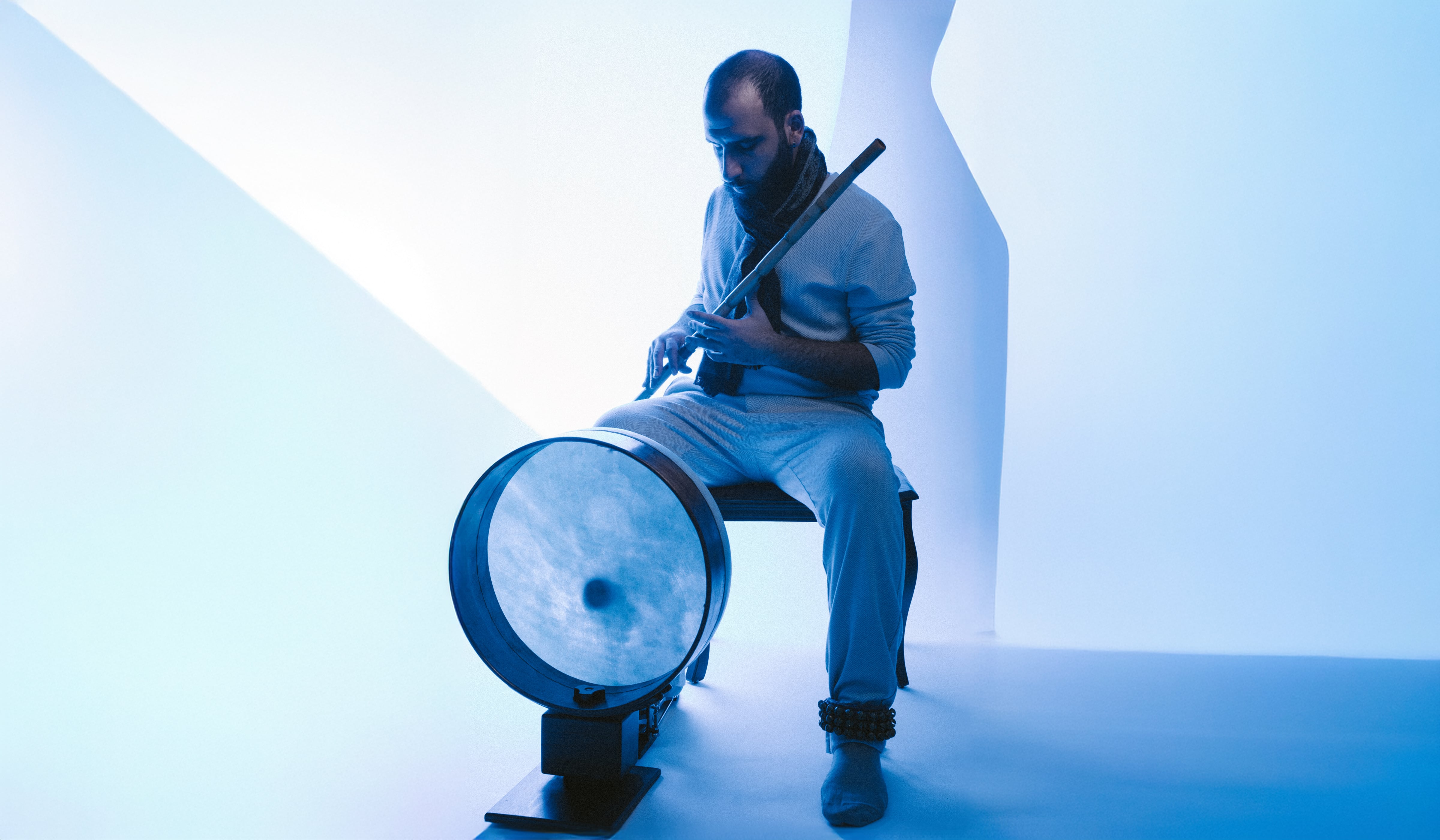
Palestinian musician Faris Ishaq is on a mission to broaden the scope of classical music education by incorporating global traditions. He aims to enhance the representation of Arabic music within the classical repertoire, similar to how jazz has evolved to include diverse influences. Ishaq, who studied classical trombone in Palestine and global jazz in the United States, has turned to the nay, an ancient Palestinian flute, as a means to showcase the rich heritage of Arabic classical music.
He has been refining and experimenting with the nay, an instrument with a history rooted in herding traditions.
His latest solo album, Jasad, or "Body," features a performance using only the nay and a foot-mounted frame drum. Ishaq has developed techniques that allow him to produce multi-layered sounds using his breath and voice. He has been touring Europe, Turkey, and Australia, culminating in a performance at the London Jazz Festival. The nay is often associated with melancholic sounds, but Ishaq seeks to highlight its rhythmic and energized potential.
His music is influenced by tashbib, a folk style of improvisation by shepherds, often performed at weddings.
Ishaq recently declined a lucrative offer from a tech company to feed 100 recordings into a Large Language Model, as he felt it was an insult to his cultural heritage. He emphasized that preserving the nay is not about preserving a dying tradition, but rather bringing it to life and celebrating it. Jasad's first track, Ard, showcases traditional tashbib, while the second track, Qabas, incorporates the oldest scale in Arabic music, the nakreez maqam.
Ishaq's use of jazz elements in tracks like Fragments and My Favourite Things demonstrates his commitment to elevating the nay in the classical music tradition.
Written by urgent.news from The National UAE's reporting — not their text. Machine-written — may contain errors; check the original before relying on it.
This story
This is one outlet's version. Read the fullest account.