The Illicit World of Sea Cucumbers
How a rare delicacy in Asia drives crime oceans away.
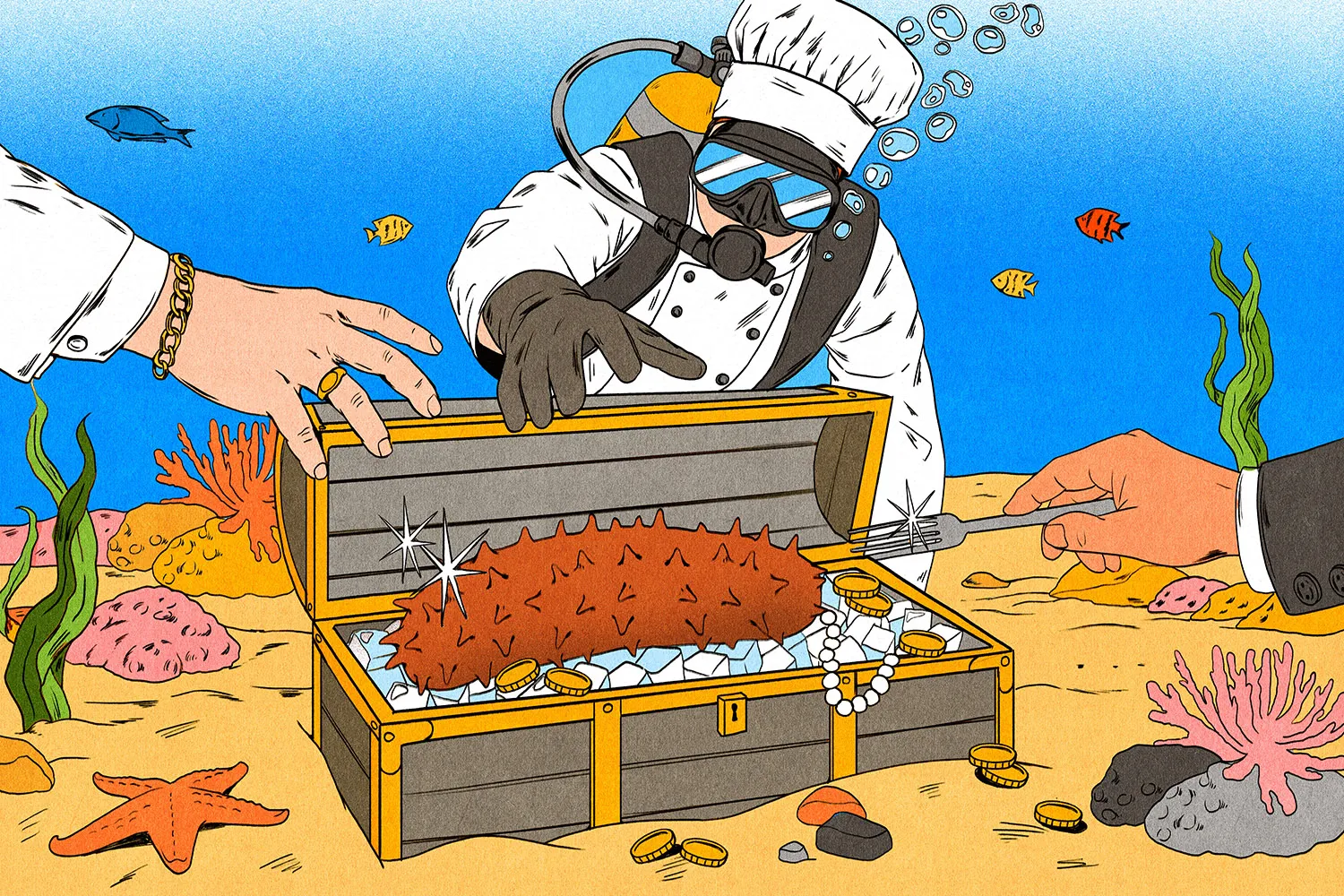
In August 2017, a former U.S. Border Patrol agent named Cesar Daleo was charged with attempting to smuggle illicit chemicals across the border. However, investigators discovered that he had actually been trafficking dried Isostichopus fuscus sea cucumbers, a protected species. Over 80 times between 2014 and 2016, Daleo paid individuals to smuggle bags of sea cucumbers into the U.S., totaling over $250,000 in value.
Sea cucumbers are a delicacy in Asia, where they are believed to have medicinal properties and may be served at special events. This high demand has created a multi-million dollar black market, with Chinese criminal groups accepting sea cucumbers as payment to avoid the international banking system. Sea cucumbers play a crucial role in underwater ecosystems, serving as "earthworms of the sea" that help maintain the health of coral reefs and produce half of the world's oxygen.
However, overfishing and illegal harvesting have led to population declines in 81% of surveyed fisheries. In Mexico, legal sea cucumber harvesting was shut down in 2019 due to overfishing, but illegal harvesting continues. The Sinaloa and Jalisco New Generation cartels have begun to meddle in the fisheries, offering lucrative prices and intimidating competitors.
Sea cucumber seizures at the southern U.S. border have more than doubled since 2018, with India and Sri Lanka also being significant hubs for the trade. While India has a ban on sea cucumber fishing since 2001, Sri Lanka permits harvesting, creating an uneven regulatory environment that fuels the illegal market.
Written by urgent.news from Foreign Policy's reporting — not their text. Machine-written — may contain errors; check the original before relying on it.