The base PlayStation 5 can now do AI upscaling, and it actually looks great
With a free update released on Thursday, Marvel's Wolverine and Ghost of Yōtei have introduced the first machine-learning-based upscaler that supports the base PlayStation 5. QSSR provides noticeably clearer graphics at virtually no performance cost. Read Entire Article
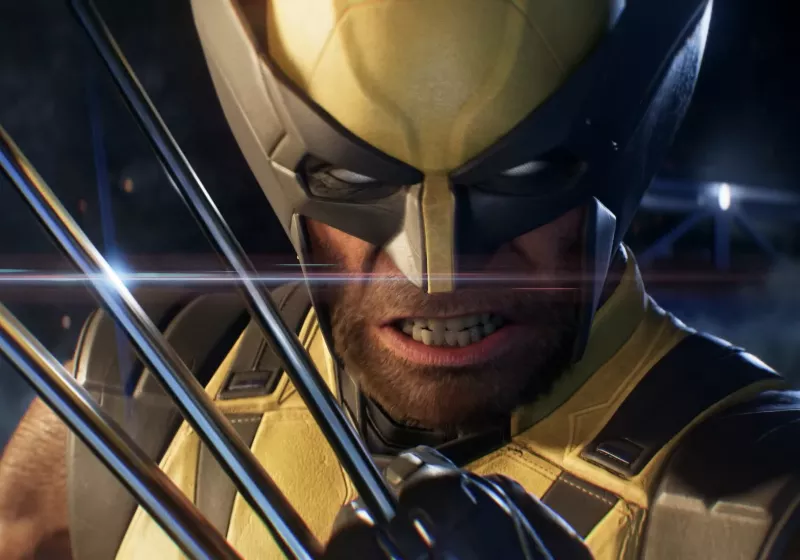
The PlayStation 5's base model can now upscale images using AI, resulting in noticeable improvements in image quality without sacrificing much performance. Sony's new Quick Spectral Super Resolution (QSSR) upscaling method outperforms earlier methods like Temporal Anti-Aliasing (TAA) or FSR 3, offering clearer graphics while consuming minimal extra resources.
Initial testing of Marvel's Wolverine and Ghost of Tsushima demonstrates QSSR's ability to reduce distortion and shimmering while actually enhancing frame rates compared to the console's proprietary upscaler. The catch is that QSSR's computational demands are higher on the base PS5, limiting it to upscales of about 936p to 1440p instead of the 4K achieved by the more powerful Pro model.
However, this method still represents a significant breakthrough, as AI-based upscaling was previously deemed unfeasible for consumer consoles. Sony expects this update to be relatively simple to implement across existing titles that support the Pro's more advanced PSSR upscaling, with Ghost of Tsushima's results indicating that QSSR might match FSR 3.1's performance impact for maintaining comparable frame rates.
Meanwhile, AMD's FSR 4 technology, which inspired the Pro's advanced upscaler, is likely to extend to older Radeon GPUs and potentially Xbox Series consoles with their own INT8-based AI upscaling capability, though official announcements from AMD and Microsoft are yet to confirm such plans.
Written by urgent.news from TechSpot's reporting — not their text. Machine-written — may contain errors; check the original before relying on it.