Svakere jobbvekst enn ventet i USA
Trekker i retning av mindre sjanse for renteheving, ifølge seniorøkonom.

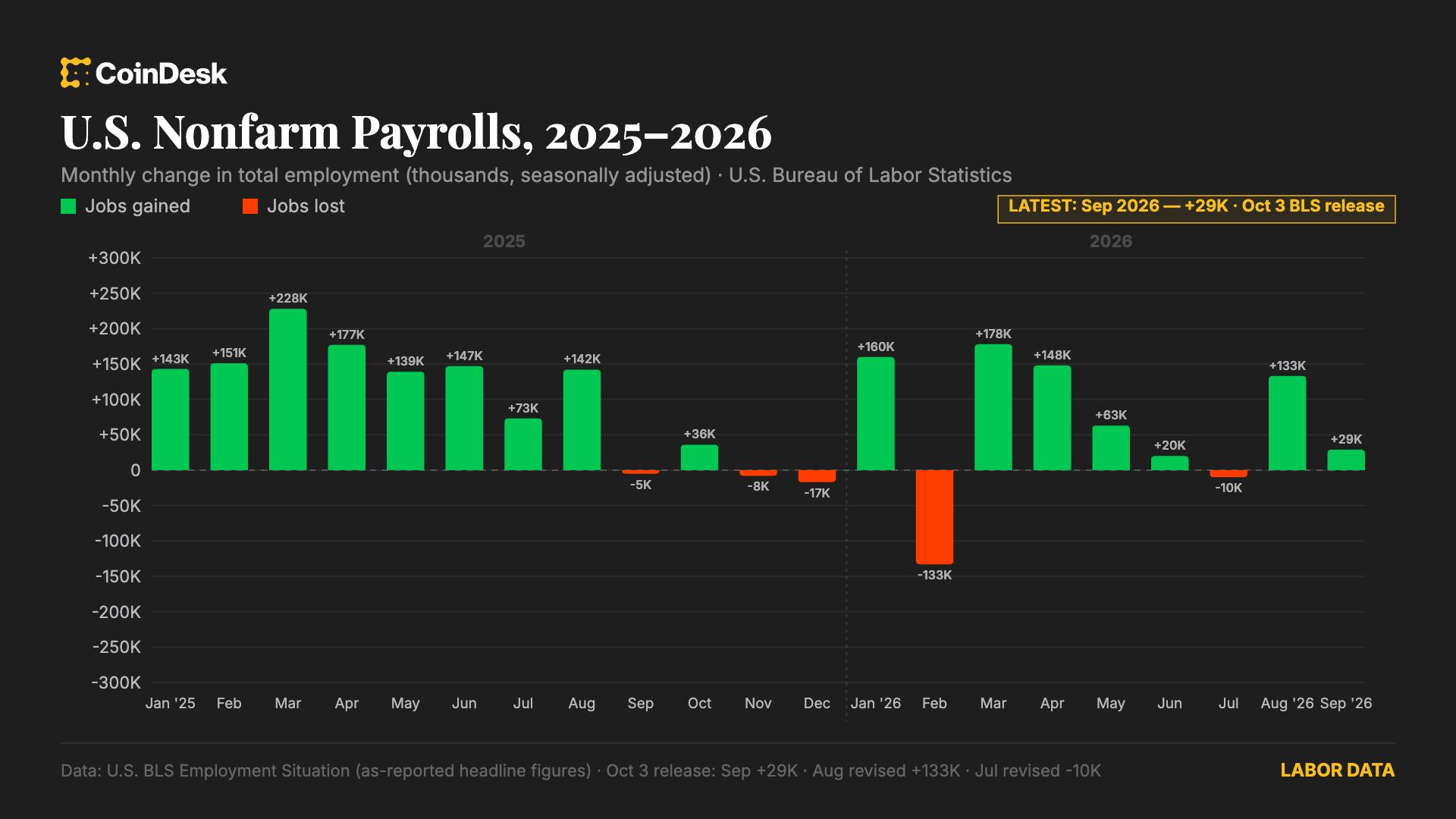
In September, the U.S. added 29,000 new jobs outside of agriculture, according to the U.S. Bureau of Labor Statistics, falling short of the 90,000 jobs forecast. These figures are crucial for the Federal Reserve's interest rate decisions and offer a key indicator of the world's largest economy. The report also provides insight into the state of employment and wage growth.
The unemployment rate rose to 4.2%, 0.1 percentage points higher than analysts expected. Annual wage growth came in at 3%, 0.1 percentage point lower than the previous month and what was anticipated. Job growth was strongest in healthcare, construction, and manufacturing sectors. At the same time, July figures were revised down, from 21,000 jobs added to a loss of 10,000 positions.
Kyrre Aamdal, a senior economist at DNB Carnegie, notes that several parameters from the job data point in the same direction, showing lower job growth than expected, a downward revision for the previous month, and higher unemployment. He tells E24 that this all points to a lower chance of a rate hike. Long term interest rates dip a bit after the data release.
The 10-year U.S. Treasury note stands at 5.18 percent, down from 5.22 percent before, and the 30-year Treasury note falls to 5.57 percent from 5.59 percent, according to data from Infront. Kjetil Olsen, chief economist at Nordea, also sees the job data as somewhat on the weak side. He believes the U.S. central bank will interpret this as the labor market remaining stable and that it will make the market think even less about a rate hike in October.
Olsen points out that this brings the Fed more time to consider its actions. He notes that we now have a 51,000-month average of job growth, which is in line with various calculations indicating that the labor market needs between 0 and 50,000 new jobs per month. Inflation continues to be the most important factor for the central bank moving forward, according to Olsen.
If inflation concerns are reflected in the data, the Fed will likely take its time. The market price for a rate hike in October fell to 16 percent after the data release, down from 26 percent the previous day.
Written by urgent.news from E24 Norway's reporting — not their text. Machine-written — may contain errors; check the original before relying on it.