Street sports an 'entry point' to help combat youth crime and loneliness
Youth hubs and 'third spaces' for young people are being touted as solutions to growing concerns about youth crime, loneliness and radicalisation.
Youth hubs and third spaces are seen as key solutions to address youth crime, loneliness, and radicalisation concerns. Three NSW parliamentary inquiries have recommended increased investment in youth hubs and related programs to foster belonging and tackle isolation. Youth hubs are community spaces staffed by qualified youth workers, where young people can form connections with peers and mentors.
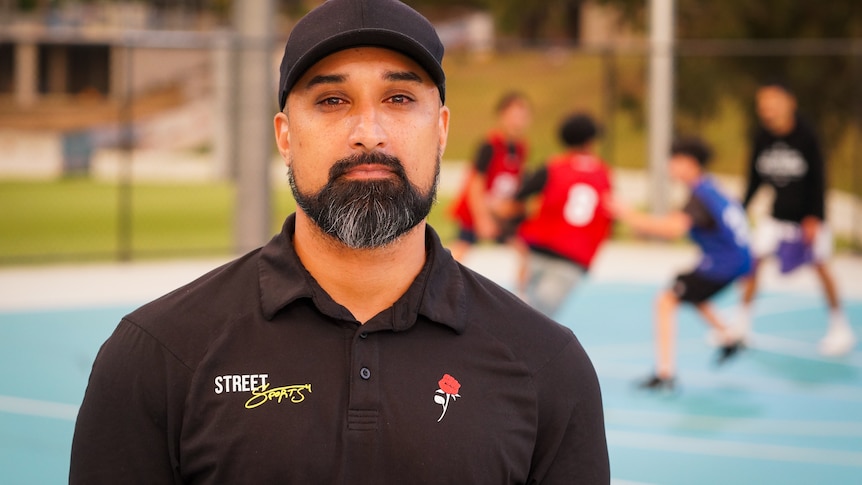
Samey Minkara, founder of charity Street Industries, runs temporary youth spaces across Sydney's west and south. His experiences growing up in a Sydney housing commission and homelessness at 17 informed his approach. Minkara believes in creating "street sports" as an entry point to engage young people, diverting them from crises through sports and relationship-building. Mentor Saleh Jaidi uses basketball courts to help disadvantaged youth develop discipline, employment skills, and career goals.
While some youth hubs operate temporarily, others struggle for permanent locations. On the Central Coast, Alex O Neal, of Regional Youth Support Services (RYSS), sees the impact of post-COVID loneliness on young people. RYSS, operating for 40 years, serves about 1,000 young people annually. Their flagship hub closed in 2024 due to funding issues.
O Neal emphasizes the need for sustained government support, particularly in regional areas. The state's youth peak body, Youth Action, is mapping youth spaces across NSW to identify gaps and areas needing investment.
Youth Action CEO Lauren Stracey criticizes the focus on reacting to issues rather than preventing them, citing the success of Canadian youth wellness hubs in addressing mental health and addiction services. NSW Minister for Youth Rose Jackson announced over $9 million in youth program funding this year. She confirmed the ongoing youth hub mapping project, expected to deliver findings by year-end.
Written by urgent.news from ABC News AU's reporting — not their text. Machine-written — may contain errors; check the original before relying on it.