Site-Blocking Will Not Defend IP, No Matter the Bill’s Name
There has been a raft of site-blocking bills in the latest Congress, and the latest is called the “Deterring Extraterritorial Foreign Exploitation of Networks Damaging Intellectual Property” aka the “ DEFEND IP Act .” The problem is that instead of “defending IP,” this bill will incentivize censorship, overblocking, and bad faith attempts to block access to a website. DEFEND IP Act, and all of…
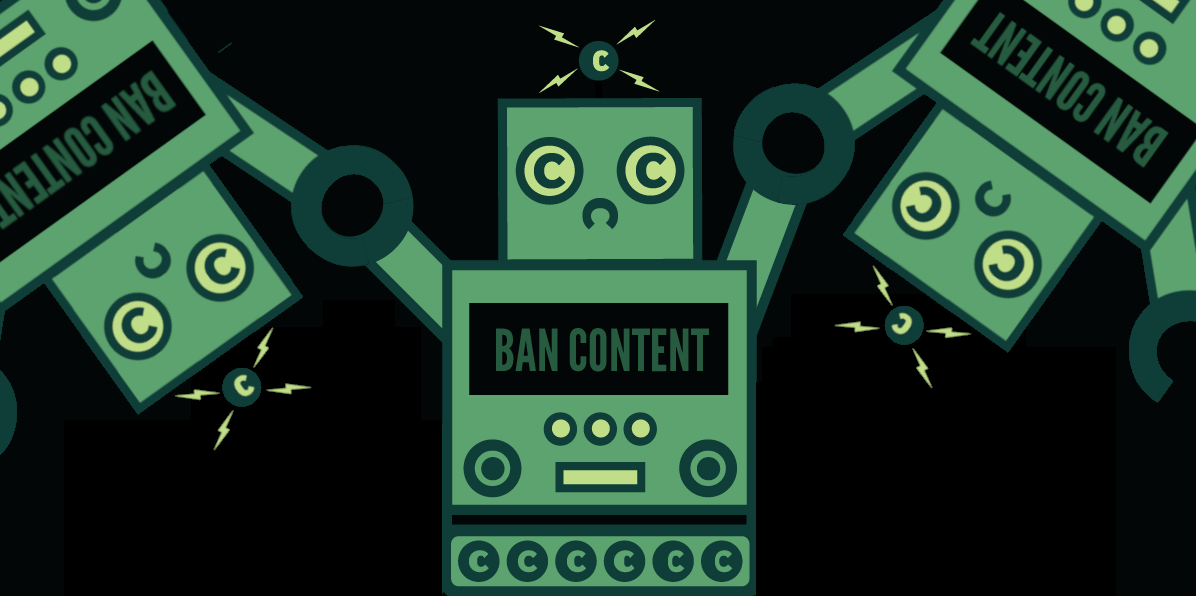
The DEFEND IP Act, introduced in the latest Congress, aims to deter "extraterritorial foreign exploitation of networks damaging intellectual property." However, the bill risks promoting censorship, overblocking, and attempts to block access to websites. This bill is not an isolated case, as previous attempts like SOPA/PIPA, Block BEARD, FADPA, and ACPA have sought to achieve similar goals.
All these bills centralize the idea that enforcing copyrights requires implementing a censorship mechanism within the internet's architecture. This approach is detrimental to a free and open web, as it is nearly impossible to create a blocking system for entire websites without inviting abuse and harming free and lawful speech. DEFEND IP Act empowers service providers to act as copyright cops, merely based on a rightsholder's accusation of infringement.
The bill does not offer any deterrent for individuals engaging in bad faith blocking attempts. Moreover, there are no punishments for those who obtain website blocks for protected speech, nor are there meaningful remedies for those whose speech becomes inaccessible due to the disappearance of an entire website. By scaling up existing copyright enforcement structures, DEFEND IP Act inadvertently intensifies the problems associated with these regimes, particularly concerning protected speech.
Existing systems, such as DMCA takedowns, have their fair share of challenges, including false positives and the suppression of criticism or commentary. Companies like YouTube have also employed copyright filters, causing entire works to be removed due to matches with other content. While these existing systems provide some challenges for targeted creators and users, DEFEND IP Act would render them even more problematic, as site owners, users, or readers would need to seek legal recourse through the courts—an arduous and costly process.
Ultimately, this bill does not serve as a safeguard for creativity or creators; instead, it offers a means to reshape the internet through the creation of a vast censorship infrastructure. Congress should reject DEFEND IP Act and abandon the notion of site-blocking laws altogether.
Written by urgent.news from EFF Deeplinks's reporting — not their text. Machine-written — may contain errors; check the original before relying on it.