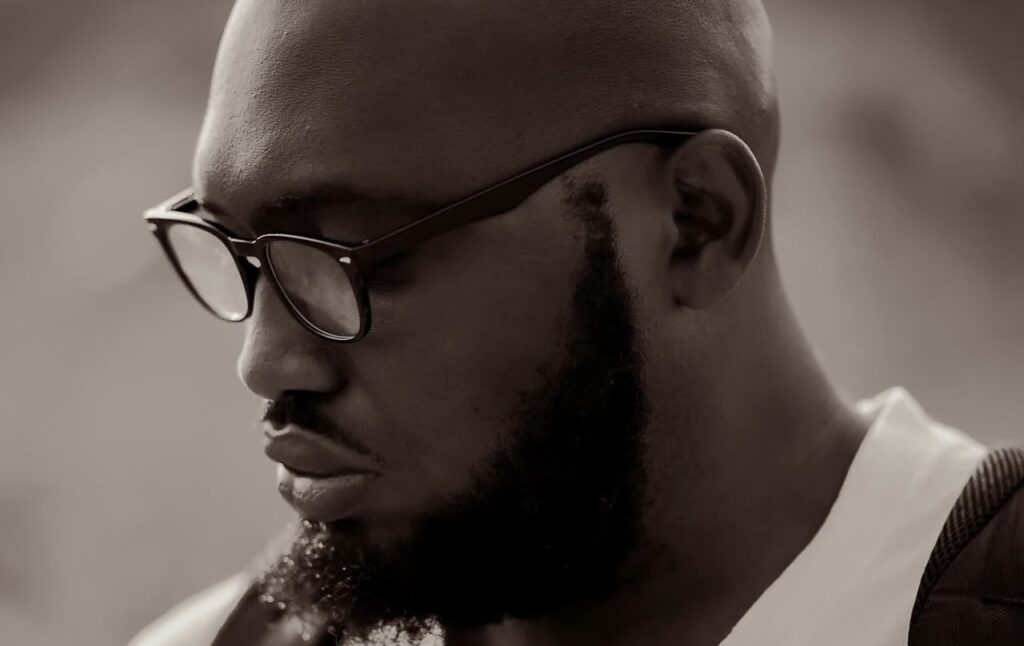
Senyocue: Highlife will dominate global music in the next 20 years
The next generation will take those elements even further. Highlife will not just survive the future. It will shape it.
Highlife, once thought to be a relic of a bygone era, is poised for a remarkable resurgence in the global music scene over the next two decades. This assertion, made by an expert on Ghanaian music, challenges the notion that Highlife should be preserved in its traditional form. Instead, the expert argues that Highlife is a living language that thrives on evolution, transformation and integration with other musical styles.
The history of Highlife is a testament to this, with its foundations tracing back through Ghanaian traditional music, military and police bands, brass bands, palm wine music and concert party traditions. From its humble beginnings in the late 19th century, Highlife has continuously evolved, with electric instruments, new bands, and musicians living abroad contributing to its development.
The emergence of Hiplife in the 1990s, a fusion of Highlife rhythms with the attitude and production language of American Hip-Hop, further exemplifies this evolution. This spirit of experimentation and adaptation has allowed Highlife to transcend geographical and cultural boundaries, influencing contemporary sounds across various genres.
The future of Highlife, according to the expert, lies in its ability to merge with other musical styles, creating a vibrant and dynamic genre that not only survives but shapes the future of music. The mission, therefore, is not to preserve Highlife in its past glory but to keep it alive and allow it to grow, merge, and influence the world in new and exciting ways.
Written by urgent.news from MyJoyOnline Ghana's reporting — not their text. Machine-written — may contain errors; check the original before relying on it.