SAHRC warns older people need stronger protection as abuse persists
The commission said South Africa must examine whether justice institutions adequately respond to the realities of ageing.
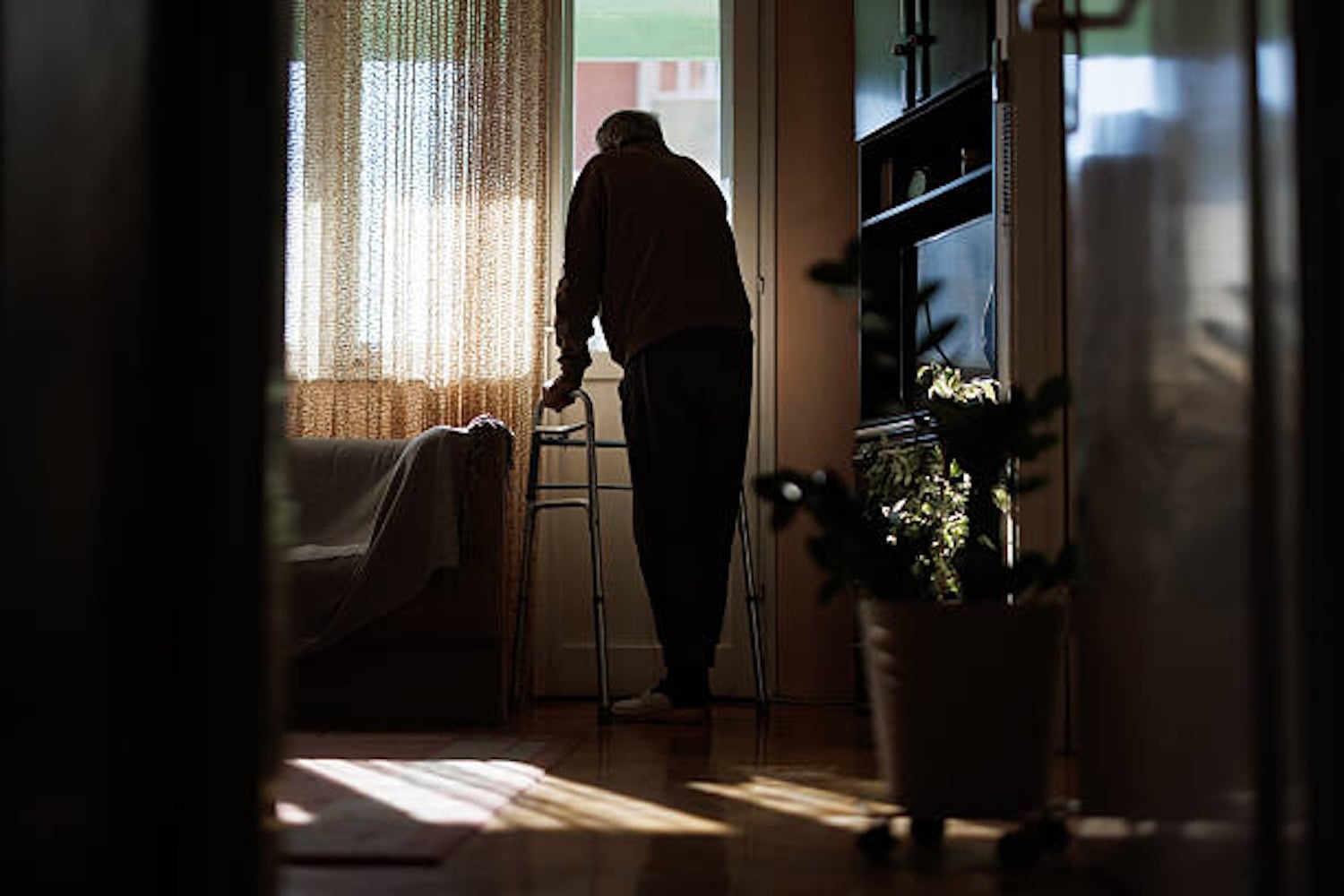
The South African Human Rights Commission (SAHRC) has urged government bodies to enhance safeguards for elderly individuals vulnerable to abuse, neglect, violence and exploitation. The commission highlighted the need for protection as it observed the International Day of Older Persons on Thursday, emphasizing the importance of dignity, equality, security, good health and active participation in society for older people.
The SAHRC pointed out systemic challenges, such as sexual and physical abuse, psychological mistreatment, financial exploitation, neglect, intimidation, transport barriers and difficulties accessing justice. They stressed that justice should be prompt, accessible and responsive, with robust support throughout the process. They also advocated for older persons and their representative groups to be involved in decisions regarding services impacting them, stating that these decisions should be based on the lived experiences of older people.
The SAHRC also supported calls for a legally binding international convention on the human rights of older persons, arguing that such a treaty would reinforce protections against age discrimination, violence, abuse, neglect and exclusion, while enhancing autonomy, participation and access to justice for older individuals. They emphasized that this process should be matched with concrete action in South Africa, ensuring that existing constitutional safeguards are effectively applied.
The commission further directed several government bodies to take specific actions. The Department of Social Development was asked to enhance measures to prevent elder abuse, offer psychological support, manage care services, monitor care facilities and oversee social security. The South African Police Service was instructed to respond swiftly and sensitively to complaints, conduct thorough investigations, enforce protective measures and keep survivors informed.
The National Prosecuting Authority was called upon to ensure diligent prosecution, coordinate investigations, and provide necessary support to older complainants and witnesses. The Department of Justice and Constitutional Development was tasked with improving accessible court services, assisting with protection orders, and preventing secondary victimization.
The SAHRC underscored that the perspectives of older persons must remain central to their ongoing Joint National Inquiry into the criminal justice system's response to gender-based violence and femicide, a joint investigation involving the SAHRC, the Commission for Gender Equality and the CRL Rights Commission. They emphasized that families, communities, care providers and civil society also play a crucial role in combating ageism, reporting abuse and supporting older persons' autonomy, asserting that older people deserve safety, dignity and justice today.
Written by urgent.news from The Citizen's reporting — not their text. Machine-written — may contain errors; check the original before relying on it.