SA doesn’t know how many leopards it has. Trophy hunting quotas are set
South Africans have until 4 October to comment on a national plan for one of the country’s most elusive predators. Leopard estimates range from a mere couple of thousand to more than 23,000 individuals.
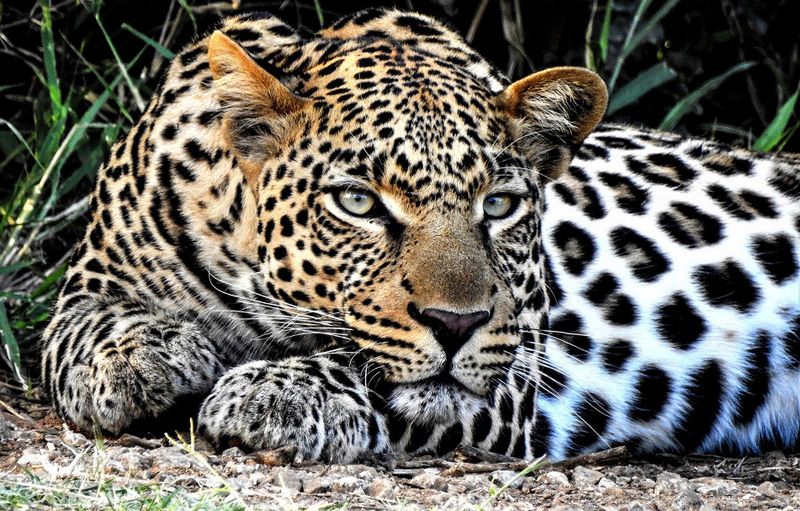
South Africans have until October 4th to provide feedback on a national plan aimed at conserving the elusive leopard. Estimates of the leopard population range from a few thousand to over 23,000 individuals, creating a significant gap in understanding. The draft National Leopard Strategy and Action Plan follows related White Papers and a high-level panel.
Dr. Michael 't Sas-Rolfes, a research fellow at Stellenbosch University’s African Wildlife Economy Institute, emphasizes the uncertainty surrounding leopard numbers, stating that estimates vary by an order of magnitude.
The draft acknowledges that leopards have experienced substantial range loss across nearly 70% of land south of the Limpopo and Orange rivers. Michele Pickover, executive director of the EMS Foundation, expresses concern over the set trophy export quotas for 2026 and 2027, despite the draft still being open for public comment. The foundation argues that this creates the impression that a critical policy decision has already been made.
The draft envisions a future where leopards thrive in living landscapes, supporting cultural traditions and local livelihoods. This vision extends beyond protected areas, making private and communal landowners' attitudes and behaviors crucial for the conservation of the species. Dr. 't Sas-Rolfes notes that leopards can pose threats to rural people and their livestock while being revered by urban dwellers and tourists.
The uncertainty in population estimates leads to contrasting approaches to leopard conservation. Radical protectionists argue for cautious management based on the lowest possible estimate to inform hunting quotas, while private landowners contend that higher estimates justify limited restrictions on hunting and protection of livestock. Two-thirds of South Africa’s wildlands are privately protected areas, making the behavior of private landowners particularly significant.
The draft document was released on September 4th, allowing 30 days for public submissions. The government's proposed vision aims for leopards to thrive in living landscapes while considering cultural traditions and local livelihoods. However, experts disagree on the role of trophy hunting, lethal control, and the trade in leopard parts. The EMS Foundation advocates for a precautionary zero trophy-hunting quota and opposes the idea of legal channels for trading leopard body parts.
While some experts see the draft as a step in the right direction, they caution against confusing a strategic framework with actual implementation. Andrew Muir, CEO of the Wilderness Foundation, supports the overall policy direction but emphasizes the need for a well-funded implementation plan. The draft acknowledges the importance of habitat connectivity, community inclusion, and conflict prevention, but critics argue that trophy hunting and the trade in leopard parts should first meet constitutional, scientific, precautionary, and animal welfare requirements.
Written by urgent.news from Daily Maverick's reporting — not their text. Machine-written — may contain errors; check the original before relying on it.