Russia plans to raise over $12 billion from bank deposit tax as war costs mount
Russia’s government plans to sharply increase revenue from taxes on Russians’ bank deposits as it seeks to reduce a budget deficit while directing roughly one-third of federal spending to the military, The Moscow Times reported on Oct. 2.
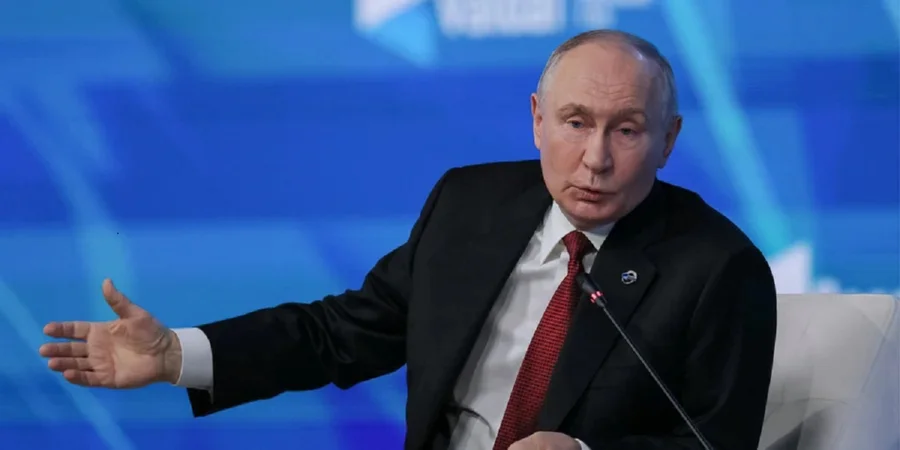
Russia aims to generate over $12 billion in revenue from taxes levied on citizens' bank deposits, as it grapples with a growing budget deficit and allocates a significant portion of federal spending to the military, according to a report by The Moscow Times on October 2. The draft federal budget anticipates the tax to generate 1.02 trillion rubles ($12.25 billion) in 2027, six times higher than the 631.9 billion rubles ($7.59 billion) collected in 2026.
The tax on bank deposits was initially introduced during the COVID-19 pandemic but was postponed multiple times before becoming effective in 2024. Personal income tax is applied only to a portion of deposit interest income, with a tax-free base set at 1 million rubles ($12,000) plus the maximum key rate from the central bank. Starting next year, the Russian government plans to apply a higher progressive tax rate of 13%-22% on deposit interest, treating it as part of total income.
This change would impact around 4 million taxpayers. The Russian Finance Ministry has indicated the new tax scale will affect no more than 6% of taxpayers. In 2027, Russia's federal budget deficit is projected to reach 5.5 trillion rubles ($66.07 billion), making up 2.2% of GDP, nearly double the initial estimate. Military expenditures are expected to rise to 50 trillion rubles ($600.63 billion) over the next three years, accounting for one-third of the budget.
Written by urgent.news from New Voice of Ukraine's reporting — not their text. Machine-written — may contain errors; check the original before relying on it.