Ravindran: Lift SST on residential security
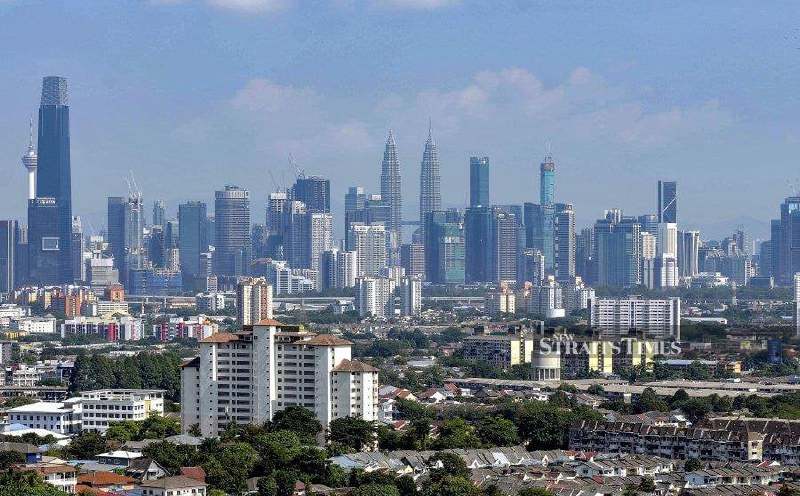
KUALA LUMPUR: There is a quiet and costly irony unfolding in housing estates across Malaysia.
KUALA LUMPUR: An intriguing paradox is emerging among Malaysian homeowners who pool resources to fund private security services. Their monthly payments protect their families and property, but they are also subject to a Service Tax of 8.0 per cent. A concerned resident is urging the Finance Minister to exempt these security services from the tax, arguing that it is a matter of fairness and affordability.
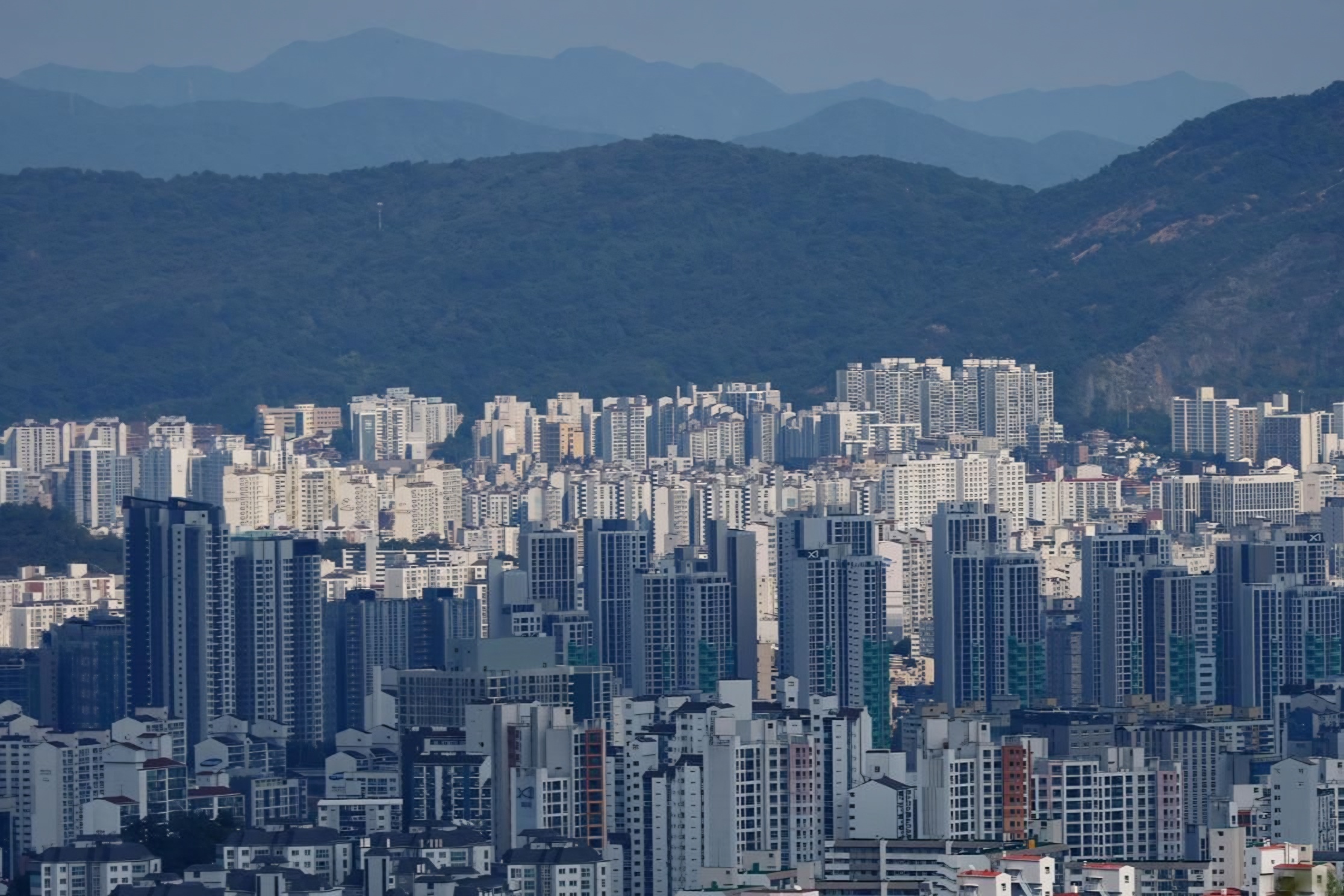
Guard houses, patrols, and surveillance systems are increasingly common in suburban neighborhoods, not just high-end developments. Residents associations, often led by volunteers, manage these security arrangements, often lacking formal authority. Although the cost may seem minor individually, it adds up for families already burdened with mortgages, living expenses, and other taxes.
The sudden increase in Service Tax from 6.0 per cent to 8.0 per cent in March 2024 has brought this issue to the forefront. Malaysia's crime statistics reveal a pressing need for visible security measures. In 2024, Malaysia experienced a 11.1 per cent rise in overall crime, with property crimes increasing by 12.4 per cent. While the Royal Malaysian Police work diligently, many residents feel the need for immediate, visible protection.
A guard at the entrance acts as a deterrent and speeds up response times. However, these private security measures cannot replace the police's investigative role. An exemption could be designed narrowly, applying only to security services paid collectively by residents of landed, non-strata housing estates. Such a policy would acknowledge the community effort while avoiding taxation of commercial or corporate security.
The government must work with residents' associations and relevant departments to implement this exemption. While tax relief is important, it should be paired with improved policing resources and better data transparency. Communities that organize themselves to secure their neighborhoods should not be penalized for their efforts.
Written by urgent.news from New Straits Times's reporting — not their text. Machine-written — may contain errors; check the original before relying on it.