Pope Leo says AI lacks the "spark of humanity" — and wants artists and the church to fight back
Pope Leo XIV called Friday for the church to form an alliance with artists to protect human creativity during an era of AI-generated content. Why it matters: Though he has acknowledged the technology's potential benefits, the pope continues to warn that AI progress cannot come at the expense of human dignity. The statement comes after the New York Times reported on Anthropic's efforts to confer…
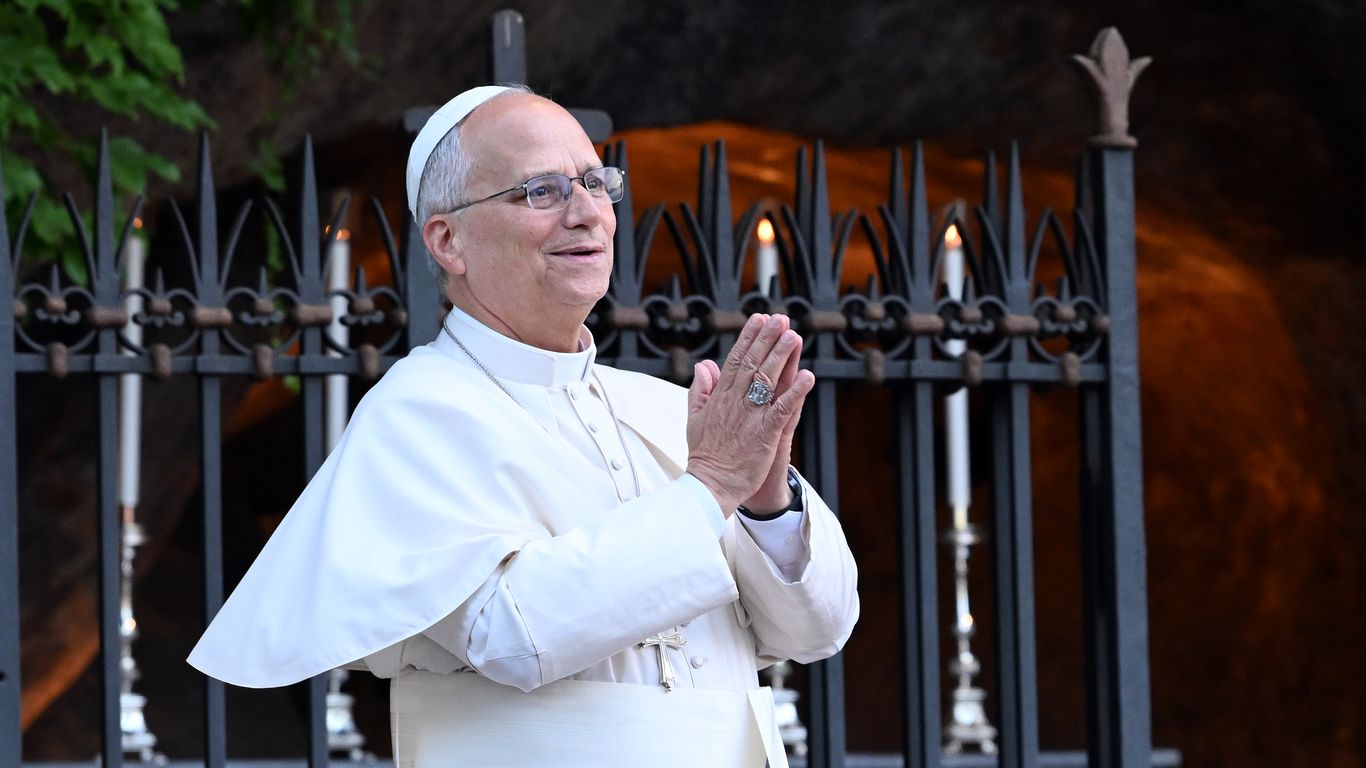
In a recent statement, Pope Leo XIV has emphasized the importance of preserving human creativity in the face of AI-generated content. While acknowledging the potential benefits of artificial intelligence, the pope warns that progress should not come at the expense of human dignity. The announcement was made following a report by The New York Times on Anthropic's efforts to incorporate religious morals into their AI system, Claude.
Pope Leo XIV wrote on social media platform X, "In this era of artificial intelligence, it is becoming urgent to distinguish human art from what machines produce. There is an ontological difference, even before an aesthetic one, between art and what a machine can generate through statistical calculation based on millions of images created by others.
Algorithms lack the spark of humanity." He further stated that the Catholic Church is calling for "an alliance with artists and cultural institutions to safeguard our humanity."
The pope's stance on AI is not new; he has previously expressed concerns about the technology's potential impact on humanity. In his first encyclical as pope, he called for the "disarming" of AI to prevent it from dominating human existence. In May, he formed a Vatican commission on AI to oversee the church's policies and work with the technology. Last week, he warned that a "paradise of machines" is invading daily activities and urged people not to sit back and ignore the risks.
Pope Leo's statements come in the wake of recent warnings from AI researchers, who have cautioned that the technology could reduce humans to mere data points. The late Pope Francis had also voiced similar concerns about the potential consequences of AI.
Written by urgent.news from Axios's reporting — not their text. Machine-written — may contain errors; check the original before relying on it.
This story
This is one outlet's version. Read the fullest account.