Poor consumers to get cash via BISP: Govt, IMF agree to make power subsidies more targeted
ISLAMABAD: The International Monetary Fund (IMF) and the government are expected to finalise next week a mechanism for replacing tariff-based electricity subsidies for poor consumers with direct cash transfers through the Benazir Income Support Programme (BISP), as part of efforts to make energy subsidies more targeted and contain circular debt. Informed sources told Business Recorder that the…
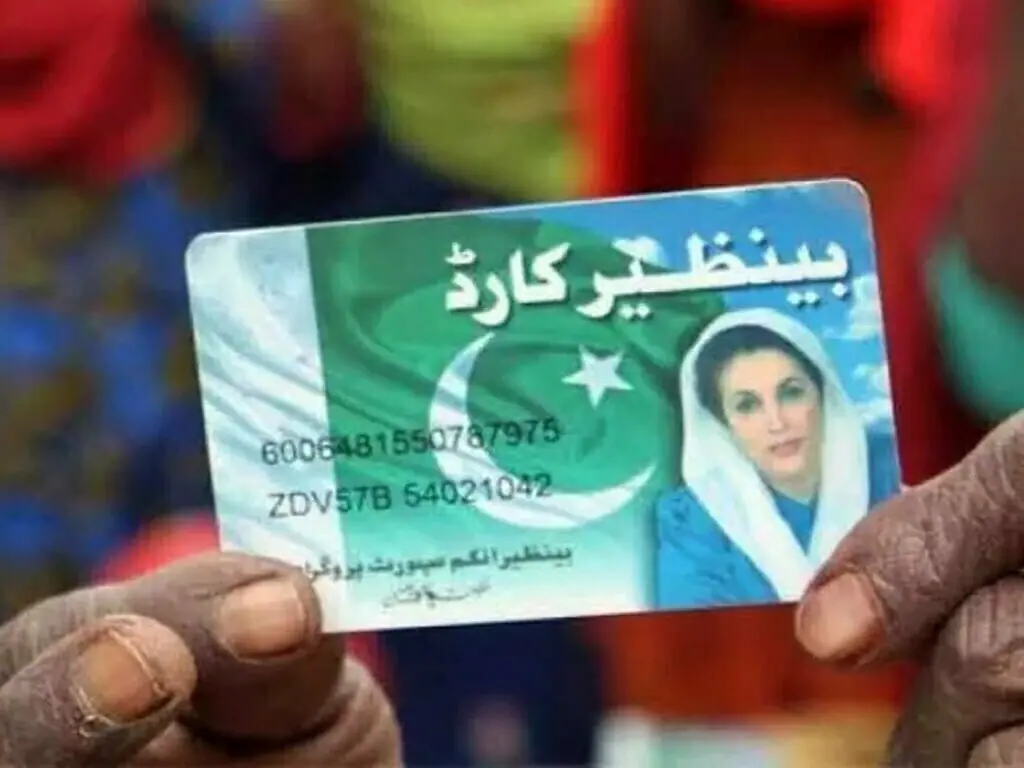
The International Monetary Fund (IMF) and the Pakistani government are set to finalize a plan to replace electricity subsidies for low-income households with direct cash transfers via the Benazir Income Support Programme (BISP) next week. This shift aims to make energy subsidies more targeted and alleviate the growing circular debt.
The proposed move is part of broader reforms to reduce distortions in the energy sector by separating social protection from consumer tariffs. Poor households would receive assistance directly through BISP instead of benefiting from artificially lower electricity prices. The IMF has been urging Pakistan to replace untargeted energy subsidies with targeted support for vulnerable consumers.
However, discussions on implementing a similar mechanism for the gas sector have revealed that the system is not yet prepared, primarily due to deficiencies in consumer data and ownership records. The gas sector's circular debt stands at approximately Rs3.6 trillion. The tariff rationalisation intends to reduce cross-subsidies, particularly on industrial consumers, and help contain the gas-sector circular debt.
The IMF has advised further consultations to develop a workable mechanism for targeted gas subsidies, emphasizing that Pakistan managed to avoid major fuel-supply disruptions during the oil crisis with minimal additional burden on the national budget.
Written by urgent.news from Business Recorder's reporting — not their text. Machine-written — may contain errors; check the original before relying on it.